
What Are Milia?
Milia are small white or yellowish bumps that form just beneath the surface of the skin. They are often mistaken for whiteheads, but they are not the same as acne spots.
Unlike whiteheads, milia are tiny keratin-filled cysts. Keratin is a natural protein found in the skin, hair and nails. When keratin becomes trapped under the skin instead of shedding naturally, it can form a small, firm bump.
Milia commonly appear around the eyes, cheeks, nose, forehead and upper lip. They are harmless and not contagious, but many people choose to have them professionally removed when they become persistent, noticeable or difficult to treat with skincare alone.
Trying to squeeze or pick milia at home is not recommended, especially around delicate areas such as the eyes, as this can increase the risk of irritation, infection, scarring or pigmentation.
What Causes Milia?
- Trapped keratin under the skin
- Dead skin cell build-up
- Heavy or occlusive skincare products
- Sun damage
- Skin trauma or injury
- Certain cosmetic procedures
- Age-related skin changes
- Dry or dehydrated skin
- Reduced natural exfoliation
- Use of rich eye creams around delicate skin
Common Symptoms of Milia
- Small white or yellowish bumps
- Firm bumps beneath the skin
- Bumps that do not squeeze out like spots
- Clusters of tiny bumps around the eyes or cheeks
- Smooth, dome-shaped cysts
- No redness or inflammation in most cases
- Persistent bumps that remain for weeks or months
Where Do Milia Commonly Appear?
- Around the eyes
- Under the eyes
- Eyelids
- Cheeks
- Nose
- Forehead
- Upper lip
- Chin
Can Milia Go Away Naturally?
- Skin type
- Size and depth of the cysts
- Location
- Skincare products used
- Natural skin renewal
- Whether the area has been irritated or picked
How to Help Prevent Milia
- Avoiding heavy creams around the eyes if prone to milia
- Using non-comedogenic skincare
- Removing makeup properly
- Wearing SPF daily
- Avoiding picking or squeezing bumps
- Using gentle exfoliation where appropriate
- Avoiding overly harsh scrubs
- Choosing lightweight eye products
- Following aftercare after skin treatments
Milia vs Whiteheads
Milia
Whiteheads
When Should You Seek Professional Milia Removal?
- Milia do not clear naturally
- Bumps are around the eyes or eyelids
- Milia are affecting confidence
- You have several milia in one area
- Skincare is not improving them
- You are unsure whether the bumps are milia or another condition
- You want safe removal with minimal risk of scarring
Milia Removal Treatment in the UK
Want to remove milia – also known as milk spots – on your face, easily and safely?
Lamprobe
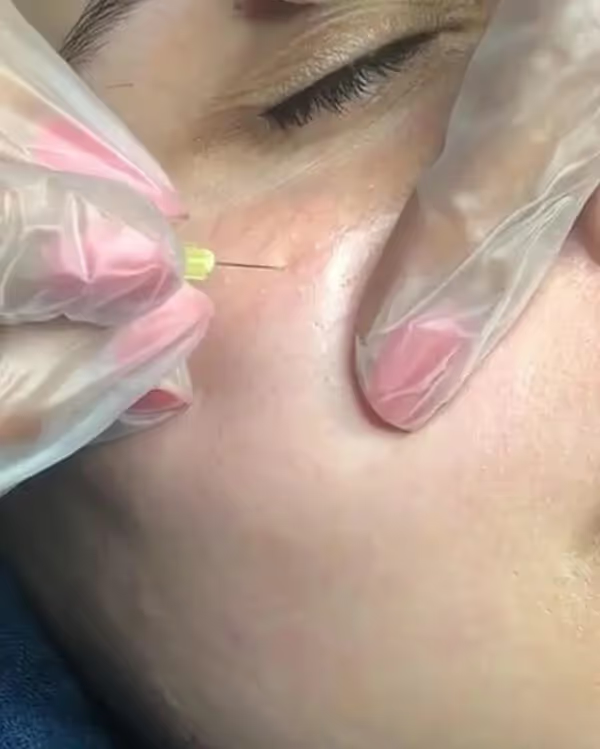
Lamprobe is a non-invasive cosmetic treatment that tackles minor skin abnormalities by using high frequency and radio frequency. The Lamprobe does not penetrate the skins surface but it targets the abnormities to their core.
By utilising radio and high frequency, it effectively targets and treats the built-up keratin and sebum inside milia, in seconds. Any trapped sebum, however hardened it may be, is able to be safely and precisely extracted and vaporised.
Speak to a Skin Specialist
If you are concerned about small white bumps, persistent milia or bumps around the eyes, Este Medical Group can help you explore safe professional removal options.
Frequently Asked Questions About Milia
What are milia?
What causes milia?
Milia are commonly caused by trapped keratin, dead skin cell build-up, heavy skincare products, sun damage or skin trauma.
Are milia the same as whiteheads?
No, milia are not the same as whiteheads. Milia are tiny cysts under the skin, while whiteheads are a type of acne caused by blocked pores.
Can milia go away on their own?
Some milia may clear naturally, but adult milia can be persistent and may require professional removal.
Can I remove milia at home?
Removing milia at home is not recommended because squeezing or picking can cause irritation, infection, scarring or pigmentation.
What is the best treatment for milia?
Professional milia removal using targeted treatments such as Freeze Pen may help safely remove persistent milia.
Is milia removal painful?
Milia removal is generally well tolerated, although mild discomfort may be felt depending on the area treated and skin sensitivity.
How long does milia removal take?
Milia removal is usually a quick in-clinic procedure, although appointment length depends on the number and location of milia.
Can milia come back after treatment?
Treated milia are removed, but new milia may develop over time depending on skin type, skincare habits and triggers.
When should I seek professional advice for milia?
Professional advice may help if milia are persistent, close to the eyes, spreading, affecting confidence or difficult to identify.