
What Is Vitiligo?
Vitiligo is a long-term skin condition that causes patches of skin to lose their natural colour or pigment. This happens when melanocytes, the cells responsible for producing melanin, stop functioning or are destroyed.
Melanin is the pigment that gives skin, hair and eyes their natural colour. When melanin production decreases in certain areas, lighter or white patches can begin to appear on the skin.
Vitiligo can affect people of all skin tones and may develop gradually over time or appear more suddenly. The condition commonly affects areas such as the face, hands, arms, feet and around the eyes or mouth, although it can occur anywhere on the body.
While vitiligo is not contagious or physically harmful, visible changes in skin pigmentation can sometimes affect confidence and emotional wellbeing.
Understanding the causes, symptoms and treatment support options for vitiligo may help individuals better manage the condition and explore suitable skin support where appropriate.
Types of Vitiligo
Generalised Vitiligo
The most common form of vitiligo, where depigmented patches appear symmetrically on both sides of the body.
Segmental Vitiligo
This type affects one side or specific area of the body and may progress more rapidly during the early stages.
Focal Vitiligo
Small isolated patches of depigmentation that remain limited to one area of skin.
Acrofacial Vitiligo
Vitiligo affecting the face, hands, fingers and areas surrounding the eyes, nose or mouth.
Universal Vitiligo
A rare form involving widespread pigment loss across large areas of the body.What Causes Vitiligo?
The exact cause of vitiligo is not fully understood, but the condition is commonly linked to autoimmune and genetic factors.
Vitiligo develops when melanocytes stop producing melanin, resulting in areas of depigmentation on the skin.
Possible contributing factors include:
- Autoimmune conditions
- Genetics and family history
- Immune system dysfunction
- Hormonal changes
- Emotional stress
- Skin trauma or injury
- Oxidative stress
- Environmental triggers
Some individuals notice slow changes over many years, while others experience more rapid pigment loss over a shorter period of time.
Vitiligo is not caused by poor hygiene and cannot spread through physical contact.
Common Symptoms of Vitiligo
Vitiligo symptoms can vary depending on the severity and progression of the condition.
Common signs of vitiligo include:
- White or lighter patches of skin
- Uneven skin pigmentation
- Loss of pigment around the eyes or mouth
- Depigmented patches on the hands and fingers
- Premature whitening of hair
- Changes in eyebrow, eyelash or beard colour
- Gradual spreading of pigment loss
The condition may remain stable for long periods or progress gradually over time.
How Vitiligo Can Affect the Skin
Vitiligo mainly affects skin pigmentation, but the emotional and psychological impact can also be significant for some individuals.
Possible concerns associated with vitiligo include:
- Uneven skin tone
- Increased visibility of depigmented patches
- Sensitivity to sunlight
- Changes in self-confidence
- Emotional distress related to appearance
- Anxiety in social or professional situations
Because vitiligo often affects visible areas of the body, many individuals seek professional advice to better understand available support options and skin management approaches.
When Should You Seek Professional Support?
Professional assessment may help if vitiligo begins affecting confidence, spreads progressively or causes concerns about skin appearance.
You may wish to seek professional support if:
- White patches continue spreading
- Pigment loss becomes more noticeable
- Vitiligo affects visible areas such as the face or hands
- Skin appearance begins affecting emotional wellbeing
- You wish to understand possible management or support options
- You are concerned about ongoing pigment changes
Early assessment may help individuals better understand the condition and explore suitable treatment support options based on their skin concerns.
Real Vitiligo Treatment Results
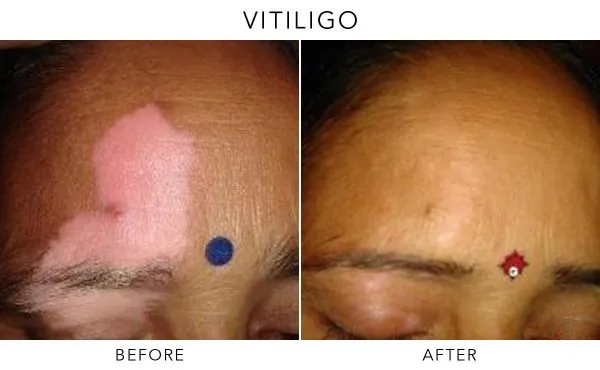
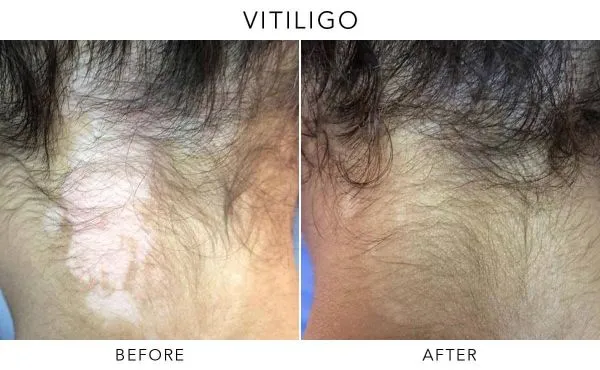
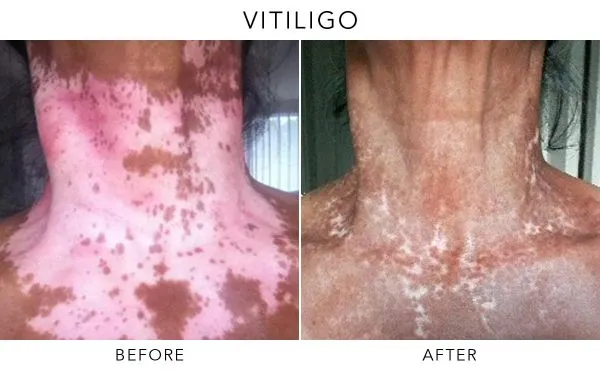
Book a consultation with an Este Medical Group specialist to discuss personalised skin support and treatment options.
Vitiligo Treatment Support Options
Vitiligo treatment approaches focus on supporting skin health, managing depigmentation and encouraging repigmentation where possible.
Because vitiligo affects individuals differently, treatment plans are personalised depending on:
- The extent of pigmentation loss
- The areas affected
- Skin type
- Progression of the condition
- Individual treatment goals
Exciplex Light Therapy for Vitiligo
- Activating dormant melanocytes
- Encouraging pigment migration from surrounding skin
- Reducing autoimmune activity in treated areas
- Localised vitiligo
- Facial and neck areas
- Early-stage vitiligo
- Small to moderate depigmented patches
Professional Skin Consultation
Professional assessment may help determine:
- The type of vitiligo
- The progression of pigment loss
- Suitable management approaches
- Realistic treatment expectations
Skin Clinic Locations
At Este Medical Group, our team provides personalised skin assessments and tailored treatment recommendations based on individual skin concerns and goals.
Speak to a Skin Specialist
If you are concerned about pigment loss or uneven skin tone associated with vitiligo, Este Medical Group can help you explore suitable treatment support options.
Frequently Asked Questions About Vitiligo
What is vitiligo?
What causes vitiligo?
Vitiligo is commonly linked to autoimmune and genetic factors affecting melanocyte function within the skin.
Is vitiligo contagious?
Can vitiligo spread over time?
Does vitiligo only affect the skin?
Can vitiligo affect confidence?
Yes, visible changes in skin pigmentation may affect emotional wellbeing and self-confidence for some individuals.