
What Are Frown Lines?
Frown lines, also known as glabellar lines or “11 lines”, are the vertical lines that appear between the eyebrows. They usually develop from repeated facial expressions such as frowning, squinting, concentrating or furrowing the brow.
At first, frown lines may only appear when the facial muscles move. These are known as dynamic lines. Over time, as collagen and skin elasticity reduce, the lines can become visible even when the face is relaxed. These are often called static lines.
Frown lines are a natural part of facial ageing, but for some people they can make the face appear tired, tense, worried or angry, even when they feel relaxed.
Understanding what causes frown lines can help you choose the most suitable treatment approach and decide when professional support may be helpful.
What Causes Frown Lines?
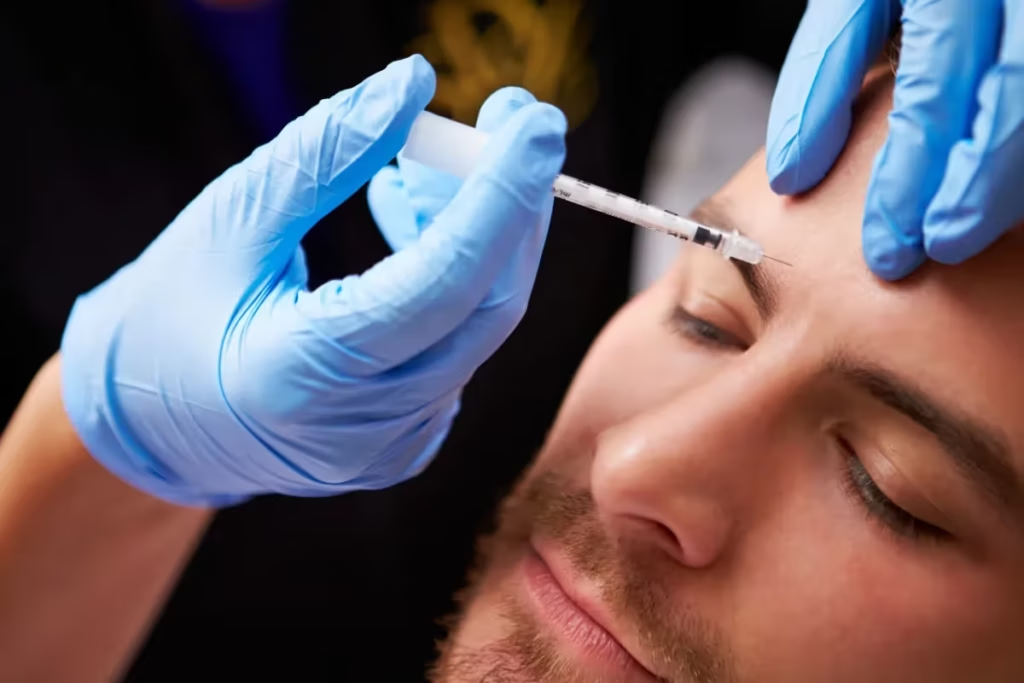
Frown lines develop when the small muscles between the eyebrows repeatedly contract. The main muscles involved are the corrugator and procerus muscles, which pull the brows inward and downward.
Over time, repeated movement in this area can cause lines to form in the skin.
Common causes and contributing factors include:
- Repeated frowning or squinting
- Concentrating for long periods
- Natural ageing
- Reduced collagen production
- Loss of skin elasticity
- Sun exposure
- Smoking
- Stress
- Dehydration
- Genetics
As the skin becomes less elastic with age, it becomes harder for the skin to bounce back after repeated facial movement. This can make frown lines appear deeper and more permanent.
Dynamic vs Static Frown Lines
Frown lines can be dynamic, static or a combination of both.
Dynamic Frown Lines
Dynamic frown lines appear when you move your facial muscles. They may show when you frown, squint, concentrate or look concerned.
These lines are often easier to soften because they are linked mainly to muscle movement.
Static Frown Lines
Static frown lines are visible even when your face is relaxed. These tend to develop gradually as collagen, elastin and skin volume reduce over time.
Static lines may need a more tailored treatment plan depending on their depth and the condition of the skin.
Common Signs of Frown Lines
Frown lines usually appear between the eyebrows, but the surrounding forehead and brow area may also be affected.
Common signs include:
- Vertical lines between the eyebrows
- “11 lines” above the nose
- A furrowed brow
- Deeper creases when frowning
- Lines that remain visible at rest
- A tired, tense or concerned facial expression
- Reduced smoothness in the upper face
Some people notice frown lines in their late 20s or early 30s, while others develop them later depending on facial movement, lifestyle and skin quality.
How Frown Lines Can Affect Facial Appearance
Frown lines can change how facial expressions are perceived. Even when you feel calm or happy, deeper glabellar lines can sometimes make the face appear stern, stressed, tired or upset.
Common concerns include:
- A tense or angry-looking expression
- A tired appearance
- Deeper lines between the eyebrows
- Reduced confidence in photos
- Makeup settling into creases
- A less refreshed upper face
For many people, treatment is not about changing facial expression completely. The aim is often to soften harsh lines while keeping natural movement and expression.
Can Frown Lines Be Prevented?
Frown lines cannot always be prevented completely, as facial movement and ageing are natural. However, some habits may help slow their development and support healthier-looking skin.
Helpful prevention tips include:
- Wearing SPF daily
- Avoiding excessive sun exposure
- Not using tanning beds
- Staying hydrated
- Avoiding smoking
- Managing stress where possible
- Using suitable skincare
- Treating early dynamic lines before they become deeper
Preventative anti-wrinkle treatment may also be considered for some people when lines are mainly caused by repeated muscle movement.
When Should You Seek Professional Treatment?
Professional assessment may help if frown lines are becoming more noticeable or if they are affecting how relaxed your face appears.
You may wish to seek professional treatment if:
- Lines remain visible when your face is relaxed
- Frown lines are becoming deeper
- Your brow area looks tense or heavy
- You feel your expression looks tired or angry
- Skincare alone is not improving the lines
- You want to prevent dynamic lines from becoming deeper
- You want natural-looking softening without a frozen appearance
A consultation can help determine whether anti-wrinkle injections or another treatment approach is most suitable.
Frown Line Treatment Options in the UK
- Relax overactive facial muscles
- Smooth vertical lines between the brows
- Prevent deeper wrinkle formation
- Maintain a refreshed appearance
Botox ®
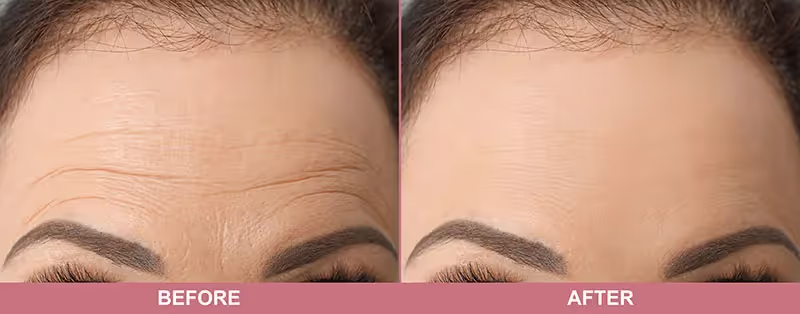
Botox® is injected into the targeted area, temporarily freezing the muscle so that it can no longer cause the skin to crease or fold. When the muscles are hindered from working, the skin can relax.
Dermal Fillers
Dermal filler injections can plump the skin naturally. It acts like a structure, supporting in places where it lacks, giving you a more youthful-looking appearance.
Pixel Laser Resurfacing
The laser is delivered to the skin through a micro-optics lens and creates pixel sized ablation dots onto the skin which penetrates deep into the area of concern. The pixels created within the skin stimulates the production of new collagen, leading to tighter, firmer-looking skin.
LED Therapy
The Dermalux LED treatment uses 2 light wavelengths that have been proven to be absorbed well in the skin cells, stimulating the production of collagen and elastic in that treated area.
Botox Clinic Locations
At Este Medical Group, our specialists assess facial movement, muscle strength, skin quality and treatment goals before recommending a personalised frown line treatment plan.
Speak to an Aesthetic Specialist
Frequently Asked Questions About Frown Lines
What are frown lines?
Frown lines are vertical lines that appear between the eyebrows, also known as glabellar lines or “11 lines”.
What causes frown lines?
Frown lines are mainly caused by repeated contraction of the muscles between the eyebrows, along with ageing, collagen loss, sun exposure and lifestyle factors.
Are frown lines permanent?
Frown lines can become more permanent over time, especially when they remain visible even when the face is relaxed.
What is the best treatment for frown lines?
Anti-wrinkle injections are commonly used to soften frown lines by relaxing the muscles responsible for repeated brow movement.
How long do anti-wrinkle injections last for frown lines?
Results vary between individuals, but frown line treatments commonly last around 3 to 6 months.
Can frown lines be prevented?
Frown lines cannot always be prevented completely, but daily SPF, healthy skincare habits and early treatment may help reduce deeper line formation.
Are frown line injections painful?
Most people describe the treatment as quick and only mildly uncomfortable, with very fine needles used during the procedure.
When should I treat frown lines?
You may consider treatment when frown lines become visible at rest, deepen over time or affect how relaxed your face appears.
Can skincare remove frown lines?
Skincare may support hydration and skin quality, but deeper frown lines caused by muscle movement usually need professional treatment.