
What Is Hyperhidrosis?
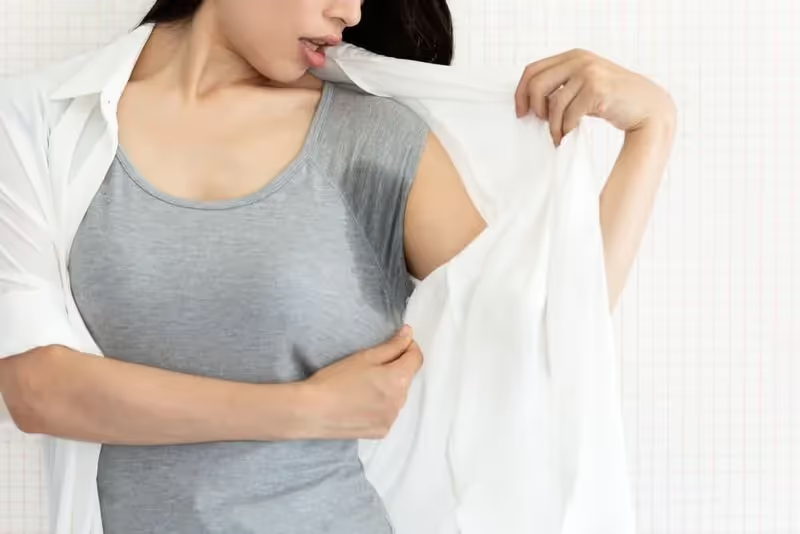
Hyperhidrosis is a condition that causes excessive sweating beyond what the body needs for normal temperature control. This means sweating can happen even when you are not hot, exercising or feeling physically active.
The condition can affect specific areas such as the underarms, hands, feet, face, scalp or groin. For some people, sweating is mild but frustrating. For others, it can soak through clothing, affect confidence and interfere with everyday activities.
Hyperhidrosis is not usually harmful, but it can have a significant impact on comfort, social confidence, work, clothing choices and emotional wellbeing.
Understanding the causes, symptoms and treatment options for hyperhidrosis can help you decide when professional support may be useful.
What Causes Hyperhidrosis?
Sweating is a normal body function that helps regulate temperature. Hyperhidrosis happens when the sweat glands become overactive and produce more sweat than needed.
In many cases, there is no obvious underlying cause. This is known as primary hyperhidrosis. In other cases, excessive sweating may be linked to another medical condition or medication. This is known as secondary hyperhidrosis.
Common contributing factors may include:
- Overactive sweat glands
- Family history
- Stress or emotional triggers
- Hormonal changes
- Heat sensitivity
- Certain medications
- Thyroid problems
- Diabetes
- Menopause
- Anxiety-related sweating
- Infection or other underlying health concerns
If excessive sweating starts suddenly, affects the whole body or happens mainly at night, medical advice should be sought to rule out an underlying cause.
Types of Hyperhidrosis
Hyperhidrosis is usually grouped into two main types.
Primary Hyperhidrosis
Primary hyperhidrosis usually affects specific areas of the body, such as the underarms, palms, soles of the feet or face. It often begins earlier in life and may run in families.
This type is not usually caused by another medical condition.
Secondary Hyperhidrosis
Secondary hyperhidrosis is excessive sweating caused by an underlying issue such as medication, hormonal changes, infection or another medical condition.
This type may affect larger areas of the body and can sometimes appear suddenly.
Areas Commonly Affected
Hyperhidrosis can affect one area or several areas of the body.
Commonly affected areas include:
- Underarms
- Hands
- Feet
- Face
- Scalp
- Chest
- Back
Underarm hyperhidrosis is one of the most common concerns and is often linked with visible sweat patches, clothing discomfort and body odour worries.
Common Symptoms of Hyperhidrosis
Hyperhidrosis symptoms can vary depending on the severity and area affected.
Common signs include:
- Sweating more than expected
- Sweat patches on clothing
- Damp or clammy hands
- Sweaty feet
- Facial or scalp sweating
- Sweating that affects daily activities
- Needing to change clothes frequently
- Skin irritation from moisture
- Embarrassment or self-consciousness
- Avoiding handshakes or social situations
Some people experience sweating every day, while others notice symptoms during stress, heat or certain social situations.
How Hyperhidrosis Can Affect Daily Life
Although hyperhidrosis is not usually dangerous, it can have a real impact on quality of life.
Common concerns include:
- Avoiding certain clothing colours or fabrics
- Feeling anxious in social situations
- Difficulty with handshakes
- Discomfort at work or events
- Worrying about visible sweat patches
- Skin irritation from repeated moisture
- Reduced confidence
- Avoiding exercise or public situations
For many people, treatment is not about stopping normal sweating completely. The aim is to reduce excessive sweating so daily life feels more comfortable and manageable.
When Should You Seek Professional Treatment?
Professional support may help if excessive sweating is persistent, visible or affecting confidence and daily routines.
You may wish to seek professional advice if:
- Sweating affects your clothing choices
- You avoid social or work situations
- Antiperspirants are not helping
- Sweating affects your hands, feet, face or underarms
- You need to change clothes frequently
- Sweat causes skin irritation
- Sweating affects confidence or wellbeing
- Symptoms have become worse over time
You should also seek medical advice if sweating starts suddenly, happens mainly at night, affects the whole body or is linked with weight loss, fever, chest pain or other new symptoms.
Hyperhidrosis Treatment Options
Hyperhidrosis treatment focuses on reducing overactive sweating and improving comfort in daily life.
The most suitable approach depends on:
- Area affected
- Severity of sweating
- Whether sweating is primary or secondary
- Previous treatments used
- Skin sensitivity
- Lifestyle impact
- Treatment goals
At Este Medical Group, hyperhidrosis treatment commonly focuses on targeted anti-sweat injections for excessive sweating.
Botox injections for Hyperhidrosis
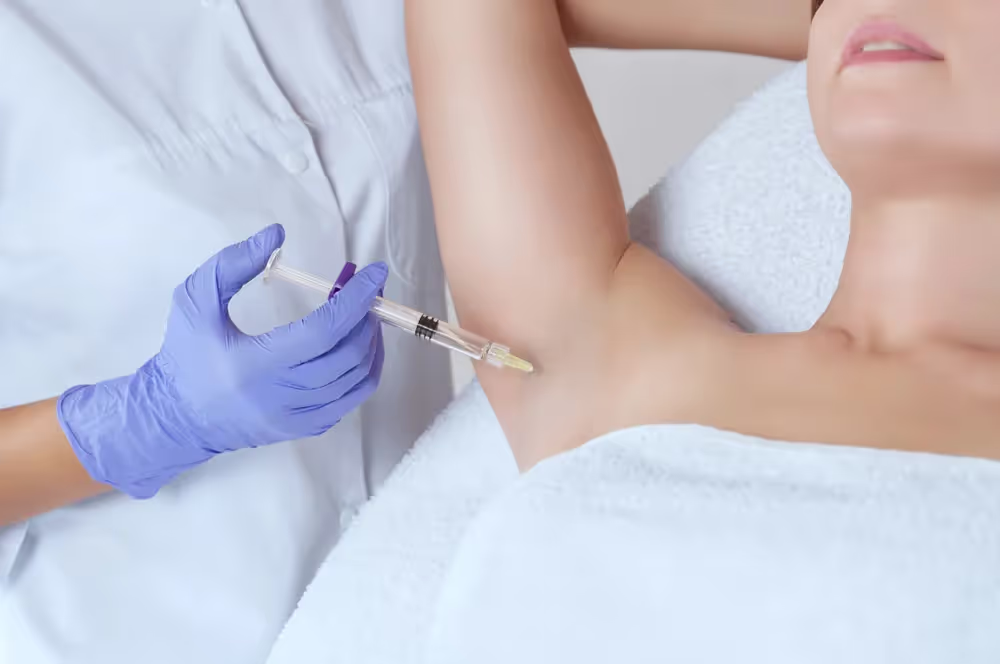
Botox injections are widely used to help manage excessive sweating in selected areas such as the underarms, hands, feet and face.
The treatment works by temporarily blocking the nerve signals that tell sweat glands to produce sweat. This helps reduce sweating in the treated area while allowing the rest of the body to sweat normally.
Botox for hyperhidrosis may help reduce:
- Underarm sweating
- Sweat patches on clothing
- Excessive hand sweating
- Facial sweating
- Discomfort caused by sweat
- Confidence concerns linked to visible sweating
Botox for excessive sweating typically lasts between 6–12 months, meaning ongoing treatment may be required to maintain results.
Speak to a Hyperhidrosis Specialist
If excessive sweating is affecting your confidence, clothing choices or daily comfort, Este Medical Group can help you explore suitable treatment options.
Frequently Asked Questions About Hyperhidrosis
What is hyperhidrosis?
Hyperhidrosis is a condition that causes excessive sweating beyond what the body needs for normal temperature regulation.
What causes hyperhidrosis?
Hyperhidrosis may be caused by overactive sweat glands, genetics, stress, hormonal changes, medication or an underlying medical condition.
Which areas are affected by hyperhidrosis?
Hyperhidrosis commonly affects the underarms, hands, feet, face, scalp, chest, back and groin.
Is hyperhidrosis dangerous?
Hyperhidrosis is not usually dangerous, but it can affect comfort, confidence, clothing choices and daily life.
Can Botox help excessive sweating?
Botox may help reduce excessive sweating by temporarily blocking nerve signals that activate sweat glands in the treated area.
How long does Botox for hyperhidrosis last?
Results vary, but Botox treatment for excessive sweating commonly lasts several months before maintenance treatment is needed.
Can underarm sweating be permanently stopped?
Hyperhidrosis treatment is not usually permanent, but symptoms can often be managed effectively with the right treatment plan.
Does hyperhidrosis treatment stop sweating everywhere?
No, targeted treatment reduces sweating in the treated area while the rest of the body continues normal temperature-regulating sweat production.
When should I seek help for excessive sweating?
Professional support may help if sweating affects your clothing, confidence, work, social life or does not improve with antiperspirants.