
Skin Pigmentation Treatment
Skin Pigmentation is caused by melanin – a pigment in your body that gives your skin, eyes and hair its colour. When you have an imbalance in melanin levels this is when skin pigmentation or hyperpigmentation can occur.
What is Hyperpigmentation?
As one of the most problematic skin conditions to treat, Este offers the most effective pigmentation treatments in the world to help target and reduce discolouration.
Melasma vs Hyperpigmentation – What's the difference?
Being an umbrella term used for various conditions, hyperpigmentation is where one patch of skin becomes darker than the surrounding skin. The leading cause for hyperpigmentation is sun exposure, alongside other factors such as acne scarring, medications or inflammation.
Melasma is a specific type of hyperpigmentation that is caused by hormonal changes within the body. These darker patches of skin are commonly found in women and target the face, on a person’s chin, cheeks, nose, upper lip or other cranial areas
What Causes Hyperpigmentation?
Changes to the melanin levels in your skin can occur for a variety of reasons and may be down to hormonal changes, age, over exposure to the sun, damage to the skin, or purely down to your genetics. Melasma can be caused by pregnancy, birth control pills, hormonal imbalances, thyroid disease, sun exposure and much more.
Importance of Sun Protection: The harmful effects of solar radiation are well-known, and yet people still take risks without proper protection. The various types of hyperpigmentation, including melasma, are triggered by prolonged exposure to the sun, and once the damage has been done, it’s too late.
We can’t stress the importance of wearing proper clothing and applying sunscreen to prevent these unsightly conditions from occurring in the future.
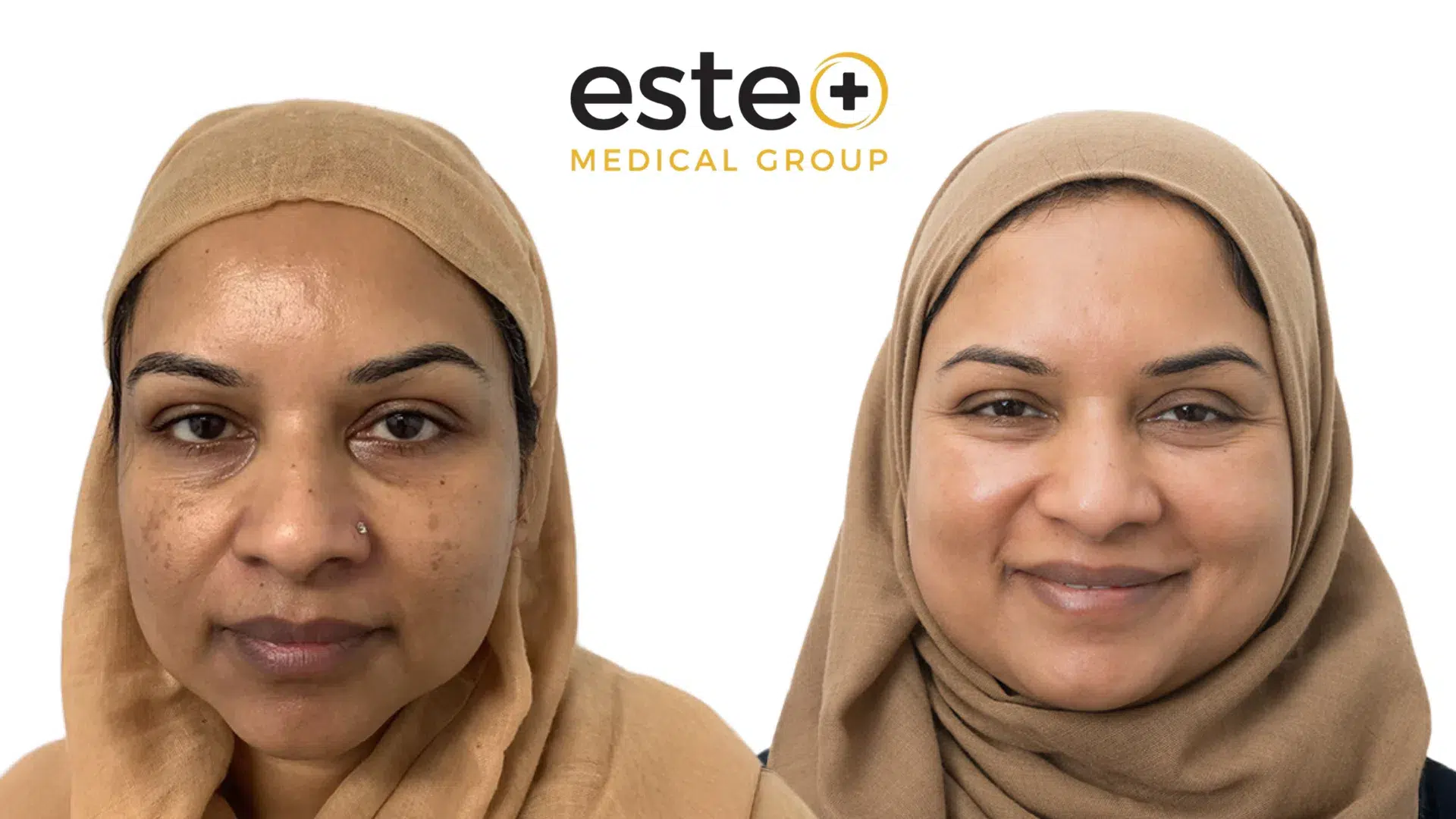
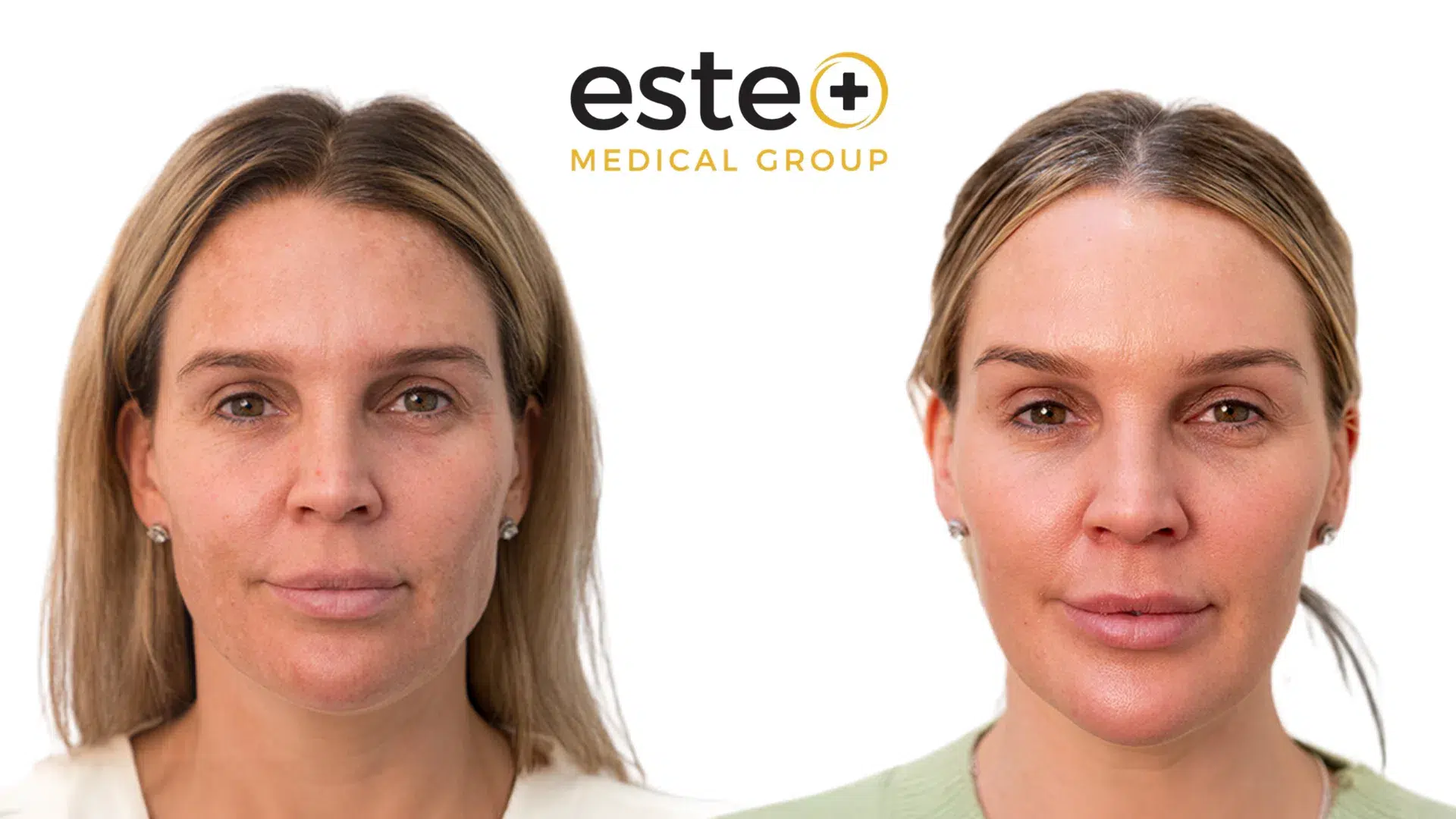
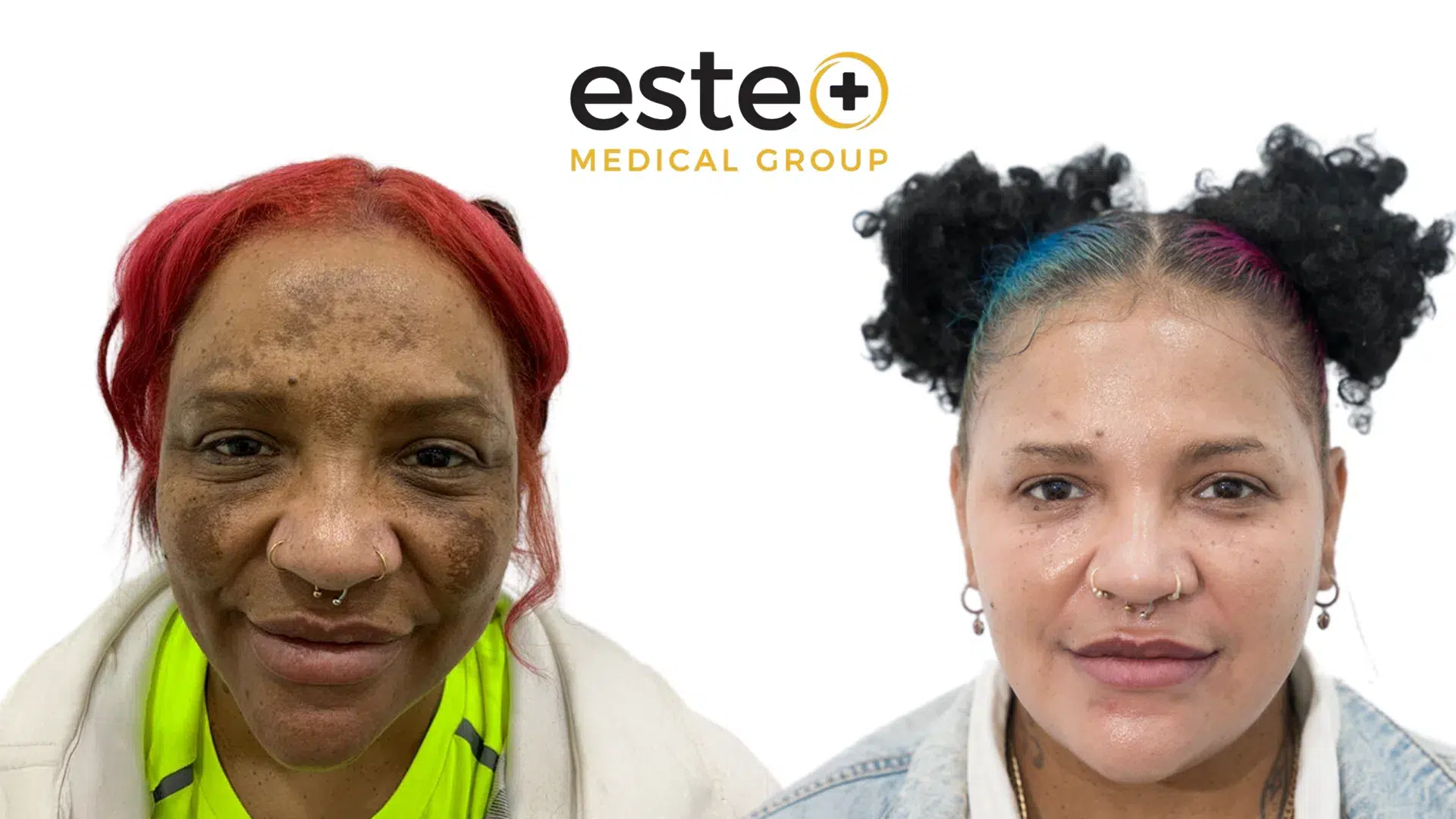
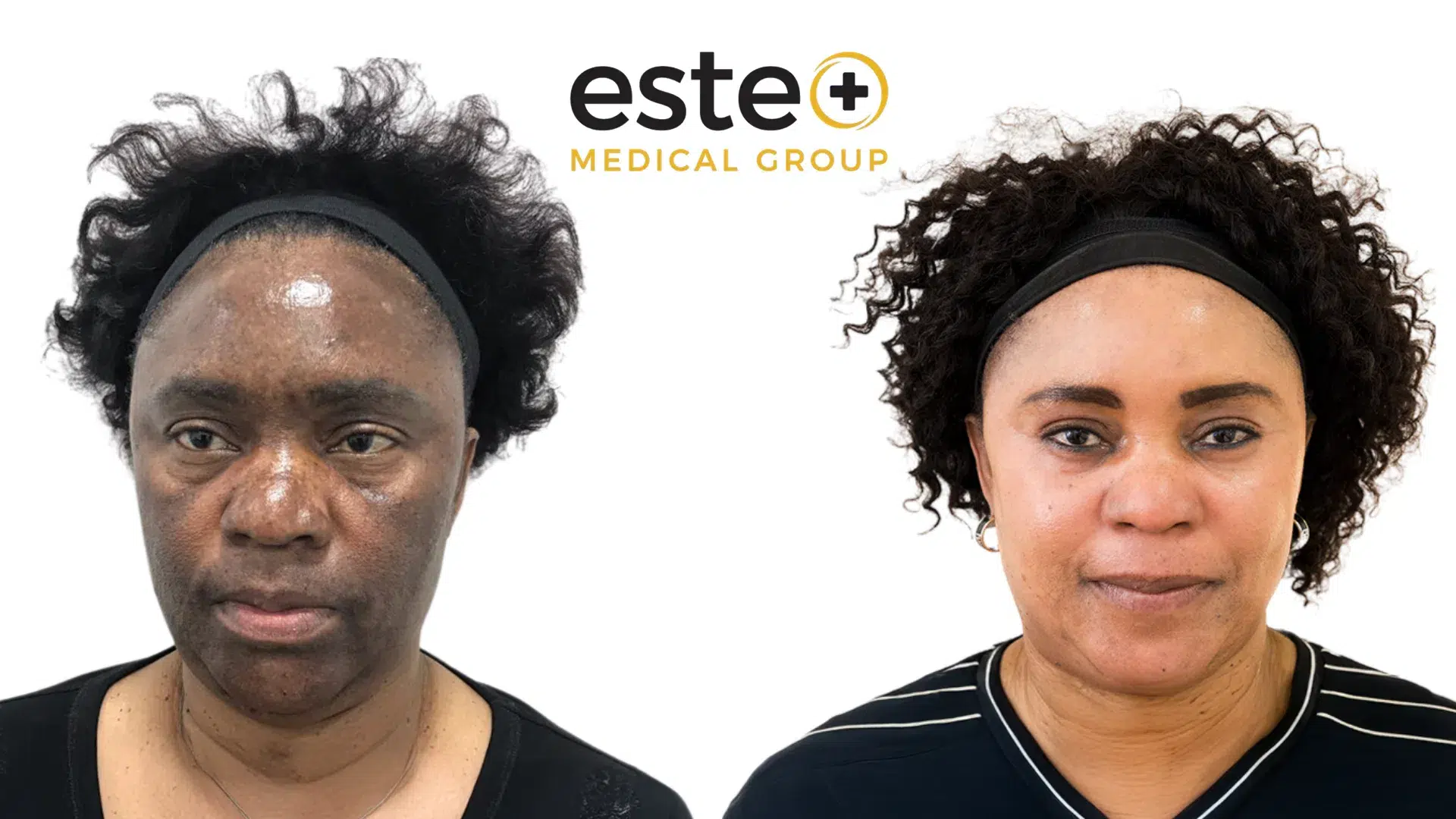
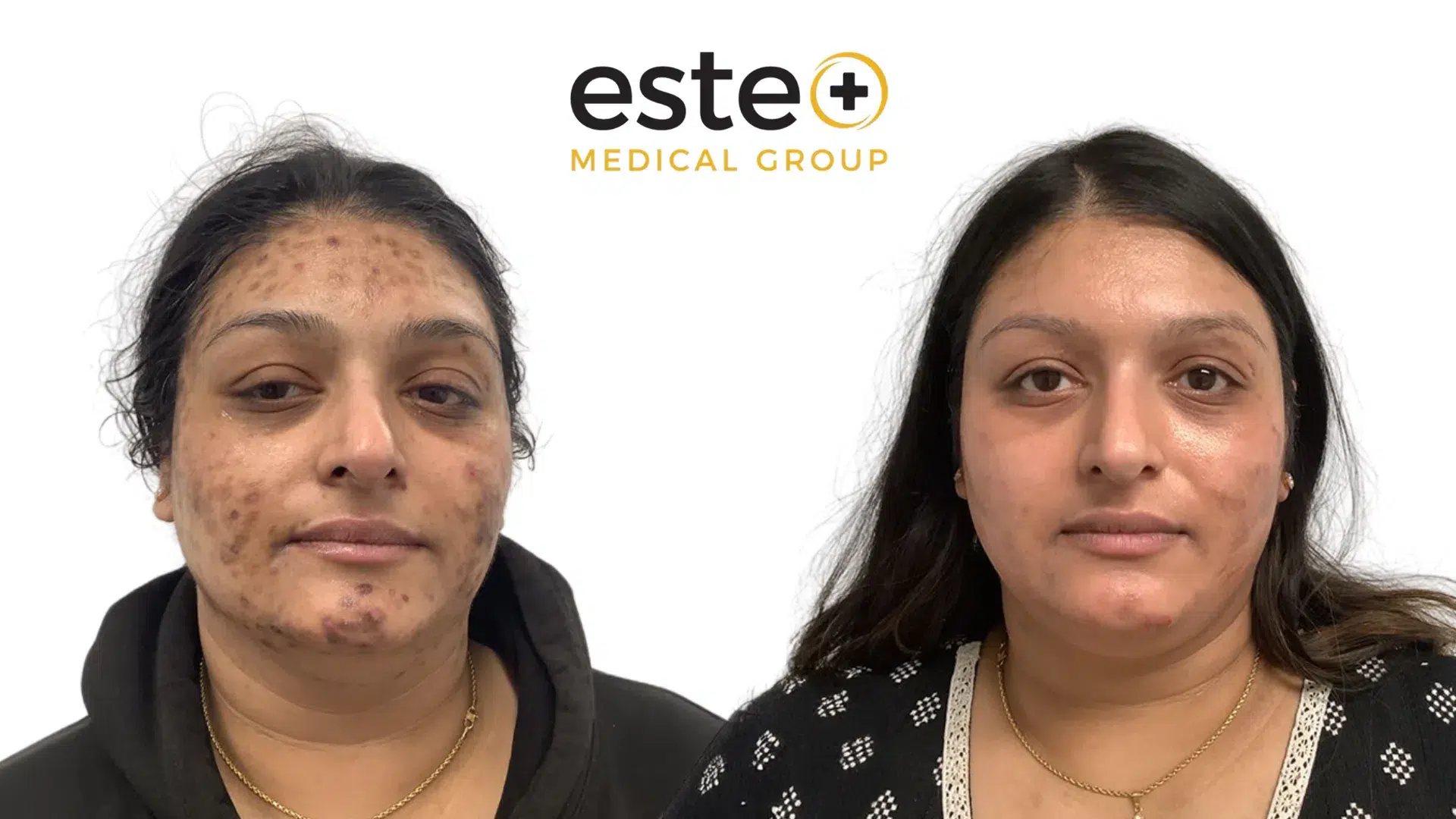
LIFE CHANGING TRANSFORMATION





Start Your Journey to Self-Confidence
FAQ's
How many treatments will I need?
When you come in for your consultation we will be able to advise you as to the number of treatments we predict you may need for your skin pigmentation to fade or disappear. However, everyone is different – while one person may need only one course, someone else may need six session, the treatment you choose will also impact the number of sessions you may need. Treatment sessions are usually spaced at around two to six weeks apart.
What results can I expect?
We have seen fantastic results for skin pigmentation treatment. Results depend on your own specific area of skin pigmentation, and can take a matter of months to be fully appreciated. The best results will be seen after a course of a few treatments, but you will notice a gradual fading of the pigmentation as your treatments progress. This may result in the area becoming completely unnoticeable, or significantly lighter and closer to your normal skin tone.
How long will treatments take?
Treatment time depends on the size of the lesion being treated. In general, if we are treating just one patch then treatment time usually takes around 30 minutes, a few areas takes about 45 minutes, and a full face laser session lasts around an hour. We will be able to advise you as to how long we expect your own treatment to take when you come in for your consultation.
Are there any side effects?
After your sessions for your skin pigmentation, you may experience a certain amount of redness and/or swelling to the treated area. This should fade over the course of the next 48 hours. You may also notice that the area of skin pigmentation actually appears darker five to seven days post treatment. It should then flake away. There is no down time involved with this treatment and you can get back to your normal everyday routines straightaway
Is it painful?
Treatment for skin pigmentation is a quick and safe procedure, and requires no anaesthetic or skin-numbing agents. If you do experience any discomfort it will be mild. There is no need to be anxious about this treatment, but if you are, please talk through your worries with our skilled staff at your consultation and we will be able to ease any fears.