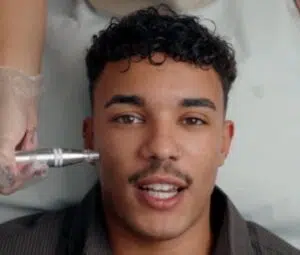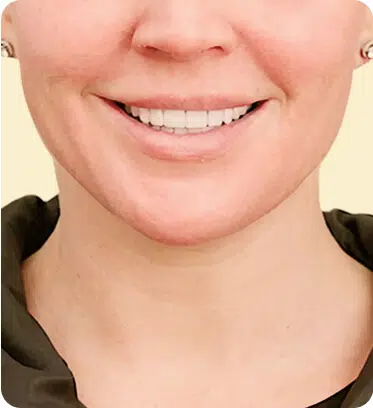


Unlike surface-level spots, the inflammation associated with severe cystic acne sits much deeper in the skin, creating large, painful bumps that can be difficult to clear and can spread if squeezed. The good news is that this type of stubborn, infectious acne can be treated successfully with professional treatments. Take a look at one of our recent success stories — our acne-free skincare client invites you to see her remarkable before-and-after photos.
“I had been struggling with very painful cystic acne. It was making me feel uncomfortable in my own skin, and that’s a feeling nobody wants. Now that I’ve had Este acne treatments, I can go out without worrying that everyone is staring at my skin. My confidence has gone way up! Este changed my life for the better,” shares our happy skincare client.
Say NO to Pimple-Popping!
We understand that watching TikTok pimple-popping videos can be strangely satisfying — even if there’s an extreme ick factor. Unfortunately, these viral spot-popping vids have overshadowed real, factual skincare advice, especially when it comes to managing severe or chronic acne. We strongly advise against taking skincare tips from non–medically trained influencers online. The fact that you’ve found this article about professional acne treatment shows you’re seeking genuine, science-based guidance for treating facial acne.
Why You Should Never Pop or Squeeze Pimples or Facial Cysts
- Increases Risk Of Infection: Squeezing or popping can push bacteria deeper into the skin, leading to infection and greater inflammation.
- Higher Chance Of Scarring: DIY spot squeezing often causes scarring, dark spots, or permanent marks — even after the breakout heals.
- Spreads Acne To Other Areas: Disturbing existing blemishes can trigger new breakouts around the affected area.
- Pain and Discomfort: Cystic acne is already painful — squeezing spots intensifies the pain and can delay healing.
- Delays Healing Time: Damaging the skin’s surface disrupts the natural healing process, meaning acne breakouts can last much longer, become chronic.
- Undermines Long-Term Skin Health: Repeated spot popping weakens skin resilience and can worsen chronic acne over time.
Instead of risking skin damage, reach out to Este UK for a professional, compassionate acne consultation. We’ll help you treat acne safely, support healing, and improve your skin’s long-term health — book through our Este Medical website today.
What Is Difference Between Occasional Acne & Cystic Acne?
Occasional acne usually shows up as small pimples or blackheads that clear with basic skincare and over-the-counter products. These breakouts tend to be mild, short-lived, and mainly triggered by surface-level congestion like excess oil, makeup buildup, or hormones.
Cystic acne is very different. It develops deeper under the skin, forming painful, swollen cysts that don’t come to a head easily. These cysts can last for weeks, often leaving dark marks or scars on the face. Cystic acne typically needs professional treatment because it’s driven by deeper inflammation, bacteria, or hormonal triggers.
Even if you only deal with occasional flare-ups, your skin can still benefit from regular facials to keep it deeply cleansed and resilient. At Este UK, we recommend our EP Facial treatment to help manage surface-level pore blockages and keep your complexion clear and healthy.
Causes of Cystic Acne: What You Need To Know
If you have adult acne or severe spots, you’re not alone — acne is one of the most common skin concerns affecting both men and women. As mentioned above, acne can range from mild to severe, with one of the most challenging forms being cystic acne. These deep, painful breakouts often appear on the face, back, upper chest, and shoulders.
Common causes and triggers include:
- Genetics: A family history of severe acne can increase your likelihood of developing cystic breakouts.
- Age: Teens and young adults are especially prone due to fluctuating skin activity.
- Hormones: Hormonal changes linked to puberty, menstruation, pregnancy, or medical conditions can trigger deeper inflammation.
- Stress: Elevated stress levels may increase oil production, leading to more breakouts. Stress doesn’t necessarily cause cystic acne, it may worsen it if you have an acne breakout.
- Diet: High-glycaemic foods (e.g., chips and bread) and dairy products may contribute to flare-ups in some people.
- Some Medications: Certain prescription drugs can affect the skin and worsen acne.
- Environmental Factors: Heat, humidity, and pollution can clog pores and aggravate cystic spots.
- Everyday Items: Mobile phones, ear buds, sweaty hats, backpacks, and anything that rubs against the skin can transfer bacteria and cause irritation.
While hormones and age play a big role, factors such as family genetics, stress, certain medications, and underlying medical conditions can also contribute significantly to acne skin conditions. Understanding the root cause of your cystic acne can help you find the most effective treatment path — and our Este UK skincare experts will support you every step of the way to clear radiant skin!
PCOS & Acne: What’s The Connection?
PCOS, or polycystic ovary syndrome, is a common — though not life-threatening — condition that affects how a woman’s ovaries function. Beyond fertility issues and irregular or absent periods, PCOS can contribute to weight gain, thinning hair or female hair loss, changes in skin pigmentation, and acne. For many women, symptoms first appear in the late teens or early 20s, making early recognition important.
Thanks to social media, awareness of PCOS is increasing, helping more women understand and manage their symptoms. According to the NHS, the exact cause of PCOS remains unknown, but most clinical evidence links it to abnormal hormone levels. Key contributing factors often include:
- Inflammation: Chronic low-level inflammation may trigger hormonal imbalance.
- Excess Insulin: Can lead to higher androgen levels, worsening acne symptoms.
- Excess Androgen: Elevated “male” hormones can cause acne and hair issues.
- Heredity: PCOS often runs in families, suggesting a genetic link.
To find the skincare treatments best suited for your PCOS-related acne, send us a message through our website for a personalised consultation at Este UK.
Your Path to Smoother, Healthier Skin Starts with Este Medical Group
When it comes to active acne and unwanted acne scars, UK Este Medical offers some of the most advanced in-clinic skincare treatments to renew and repair your skin at a deeper level. At Este, you can choose from a full range of proven and effective options, including:
- LED Phototherapy
- Chemical Peels
- ClearSkin Laser with LED Light
- Mesotherapy Facials
- Morpheus8
Book an appointment with Este Medical Group for a UK skincare consultation now!