
What Is Acne?
Acne is one of the most common skin conditions affecting teenagers and adults across the UK. It develops when hair follicles become blocked with oil, dead skin cells and bacteria, leading to spots, inflammation and sometimes deeper cystic breakouts.
Although acne is often associated with teenage years, many adults also experience ongoing breakouts due to hormonal imbalance, stress, genetics and lifestyle factors. Acne can vary from mild congestion and blackheads to more severe inflammatory or cystic acne.
While some cases improve with skincare and lifestyle changes, persistent acne may increase the risk of acne scarring, pigmentation and uneven skin texture over time.
Understanding the causes, symptoms and different types of acne can help you make informed decisions about skincare and treatment options.
Types of Acne
Acne can appear in several forms, ranging from mild congestion to deeper inflammatory acne.
Hormonal Acne
Hormonal acne often appears around the chin, jawline and lower cheeks. It may worsen during hormonal fluctuations and is commonly seen in adult acne sufferers.
Cystic Acne
Cystic acne is a more severe form of acne involving painful, deep breakouts beneath the skin. This type of acne may increase the risk of long-term acne scarring.
Inflammatory Acne
Inflammatory acne includes red, swollen and irritated spots caused by inflammation within the skin.
Blackheads & Whiteheads
Blackheads and whiteheads are non-inflammatory forms of acne caused by blocked pores. These are often early signs of congestion within the skin.
Acne Congestion
Congested skin may appear rough, uneven or bumpy due to blocked pores and excess oil production.Common Acne Symptoms
Acne symptoms can vary depending on the severity and type of acne.
Common signs of acne include:
- Blackheads
- Whiteheads
- Red inflamed spots
- Painful cystic breakouts
- Oily skin
- Skin congestion
- Acne scarring
- Post-inflammatory pigmentation
- Uneven skin texture
- Skin sensitivity
Some individuals may experience occasional breakouts, while others develop more persistent or recurring acne.
How Acne Can Affect the Skin
Acne can affect more than just the appearance of the skin. Persistent or inflammatory acne may lead to both physical and emotional concerns.
Possible long-term effects of acne include:
- Acne scarring
- Post-inflammatory hyperpigmentation
- Uneven skin texture
- Enlarged pores
- Skin redness
- Reduced skin confidence
- Ongoing skin sensitivity
For some individuals, acne may continue into adulthood and become a chronic skin concern requiring professional assessment and ongoing management.
When Should You Seek Professional Acne Treatment?
While mild acne may improve with skincare adjustments, professional assessment may help if acne becomes persistent, painful or begins affecting skin texture.
You may wish to seek professional acne treatment if:
- Acne lasts longer than 3 months
- Over-the-counter skincare products are not working
- Breakouts become painful or cystic
- Acne leaves scars or pigmentation
- Skin texture becomes uneven
- Acne affects confidence or wellbeing
- Adult acne develops unexpectedly
Early treatment may help reduce inflammation and minimise the risk of long-term acne scarring or pigmentation.
Real Results from Acne Treatment
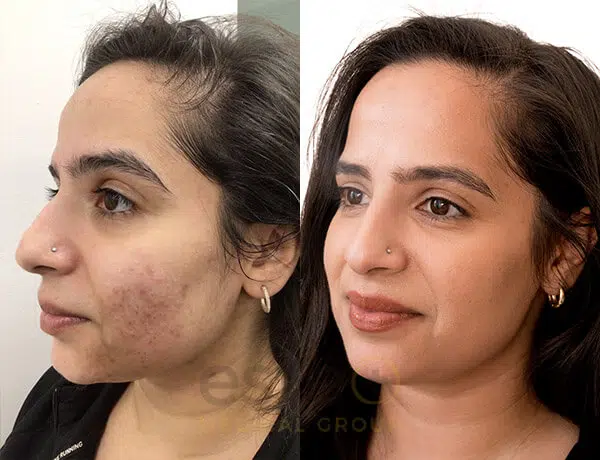
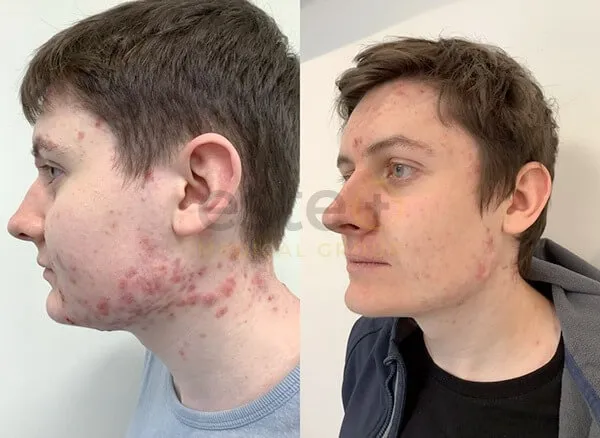
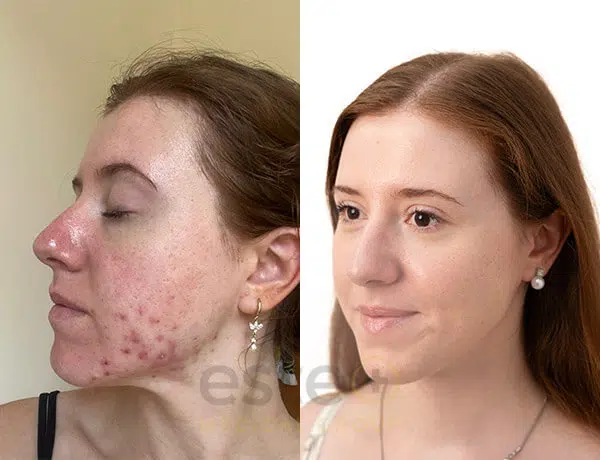
How We Treat Acne at Este Medical Group
Chemical Peels
Chemical peels may help improve mild to moderate acne by exfoliating dead skin cells, reducing congestion and supporting clearer-looking skin.
Laser Acne Treatments
Laser treatments may help reduce acne-causing bacteria and inflammation while also supporting improvements in skin texture.
PRF & Regenerative Treatments
PRF and regenerative skin treatments may support healing and skin repair in selected acne scar cases.
Microneedling
Microneedling may help improve acne scarring and uneven skin texture by stimulating collagen production.
Acne Treatment Locations
Speak to a Skin Specialist
Frequently Asked Questions About Acne
Can acne be permanently treated?
What causes hormonal acne?
Hormonal acne is commonly linked to hormonal fluctuations that increase oil production and inflammation within the skin.
Do laser treatments help acne?
Laser treatments may help reduce acne-causing bacteria, inflammation and acne scarring in some individuals.
Can acne scars be treated?
Acne scars may be improved using treatments such as laser resurfacing, microneedling and regenerative skin treatments.
Is cystic acne more severe?
Cystic acne is generally considered a more severe form of acne because it develops deeper beneath the skin and may increase the risk of scarring.
Can acne cause pigmentation?
Inflammatory acne can sometimes leave post-inflammatory pigmentation or dark marks after breakouts heal.
When should I seek professional acne treatment?
Professional assessment may help if acne becomes persistent, painful, cystic or begins causing scarring or pigmentation.
How many acne treatment sessions are usually needed?
Can adults develop acne?
Yes, adult acne is increasingly common and may be linked to hormones, stress, skincare products and lifestyle factors.
Does acne always lead to scarring?
Not all acne causes scarring, but deeper inflammatory or cystic acne may increase the likelihood of permanent skin texture changes.