Eyebrow Transplant Leeds – Personalised Brow Restoration
0% finance available on eligible treatments. Ask our Leeds team during consultation.
If you’re looking into an eyebrow transplant in Leeds because your brows have become sparse, uneven or have never fully grown back after years of shaping, the first step is a proper assessment. At Este Medical Group Leeds, we look at the brow itself, the donor area and the result you want before discussing whether transplantation is appropriate.
An eyebrow transplant uses suitable hair follicles from your own donor area to rebuild density where eyebrow hair is missing or permanently thin. The technical part matters, but so does the planning: brow shape, hair direction, facial proportions and the amount of existing hair all affect how natural the finished result can look.
What Can an Eyebrow Transplant Help With?
People consider eyebrow restoration for different reasons. Some want to fill one stubborn gap; others have lost much more density across both brows. The right plan depends on what has changed and why.
An eyebrow transplant may be discussed if you have naturally sparse brows, long-term thinning after over-plucking, uneven density, a small area that no longer grows hair, or hair loss following previous injury or scarring.
If the loss is recent, still changing or possibly linked to an underlying condition, it is important to understand that before surgery is considered. A transplant should not be used to bypass a medical assessment where the cause of hair loss is unclear.
Your Eyebrow Transplant Consultation in Leeds
A good eyebrow transplant starts with questions, not a graft count. We want to understand what you have noticed, how long it has been present and what you would genuinely like to change.
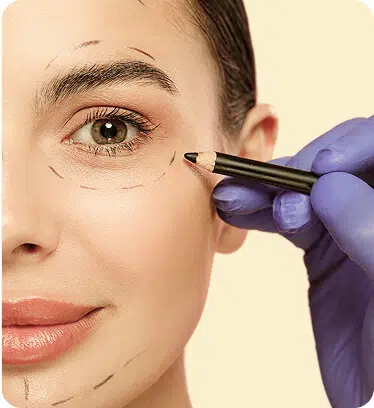
During your Leeds consultation, the team can assess your existing brow hair, the areas where growth has been lost, donor-hair suitability and how much restoration may be reasonable. We also look at the relationship between the head, body, arch and tail of the brow rather than treating the eyebrow as one straight line.
You will have the opportunity to discuss previous brow treatments, including microblading or tattooing, and any relevant medical history. If further investigation is advisable before surgery, that should be made clear at this stage.
What we look at during assessment
- How much natural eyebrow hair remains
- Whether the thinning is stable or still progressing
- The direction and angle of existing brow hairs
- Your facial proportions and preferred brow shape
- The quality and characteristics of possible donor hair
- Whether one brow or both brows need treatment
- What can realistically be achieved with the available donor supply
Why Eyebrow Hair Placement Needs More Precision Than Scalp Hair
Eyebrow hairs do not all point in the same direction. Near the inner brow they may grow more upright, then flatten and change direction through the body, arch and tail. They also sit much closer to the skin than scalp hair.
That means the angle and direction of each implanted follicle matter. A technically successful graft can still look unnatural if it emerges too steeply or points against the existing brow pattern.
For this reason, eyebrow restoration is planned around the way your own brow grows. The aim is to blend new growth into the eyebrow you already have, rather than creating a standard shape that looks the same on everyone.
DHI Eyebrow Restoration at Este Medical Group
Direct Hair Implantation (DHI) is used within Este Medical Group’s hair restoration pathway because it allows careful control during follicle placement. For eyebrow work, that control is particularly useful when the goal is a soft, natural direction rather than simply adding density.
Suitable donor follicles are selected, prepared and implanted into the planned areas of the brow. The exact technique, number of follicles and shape are confirmed after assessment; there is no single plan that is right for every patient.
If you want a broader explanation of eyebrow reconstruction, grafting and UK-wide treatment information, see our national eyebrow transplant guide.
When an Eyebrow Transplant May Need to Wait
Sometimes the right answer at consultation is not to book surgery straight away. If the cause of eyebrow loss has not been established, if the loss is active, or if donor hair is not suitable, further assessment may be the safer next step.
The same applies when a patient’s expectations cannot reasonably be met with the available donor hair. Being clear about that before treatment protects both the donor area and the final result.
If you are also experiencing scalp hair loss or unexplained shedding, the team can discuss whether a separate hair-loss assessment would be useful before making a surgical plan.
Over-Plucked Eyebrows and Permanent Gaps
Years of repeated plucking can leave parts of the brow much thinner than they used to be. In some cases the hair eventually stops returning in the same way, leaving small gaps or a permanently reduced brow shape.
Where the thinning is stable and suitable donor hair is available, transplantation may be considered to restore those areas. A small gap does not need the same approach as full eyebrow reconstruction, so the plan and graft requirement should be tailored to the actual loss rather than a standard package.
Eyebrow Restoration After Scarring or Injury
Eyebrow hair can also be missing through an area of previous injury, surgery or scarring. Transplanting into scarred skin needs individual assessment because the condition and blood supply of the tissue can affect treatment planning and expected growth.
If a scar is the main reason you are considering treatment, bring any relevant medical or surgical information to your consultation. The team can assess the area and explain whether transplantation appears appropriate.
Eyebrow Transplant or Microblading?
These treatments are often compared, but they do different jobs. Microblading places pigment into the skin to create the appearance of eyebrow hairs. It can be useful when someone wants more definition or a cosmetic change in brow shape, but it does not create new hair follicles.
An eyebrow transplant moves suitable donor follicles into areas where hair is missing or sparse. Once established, those follicles produce real hair growth and need normal grooming, including occasional trimming.
Having had microblading before does not automatically rule out a transplant. The brow skin, remaining hairs and previous pigment should simply be included in the assessment.
How Many Grafts Will I Need?
There is no sensible single graft number for every eyebrow transplant. Someone filling a small gap may need far fewer follicles than someone rebuilding most of both brows.
Your graft requirement depends on the size of the area, current density, brow design, donor characteristics and whether one or both eyebrows are being treated. We prefer to confirm this after an in-person assessment rather than give a generic number that may not fit your case.
GMC-Registered Hair Transplant Surgeons at Este Medical Group
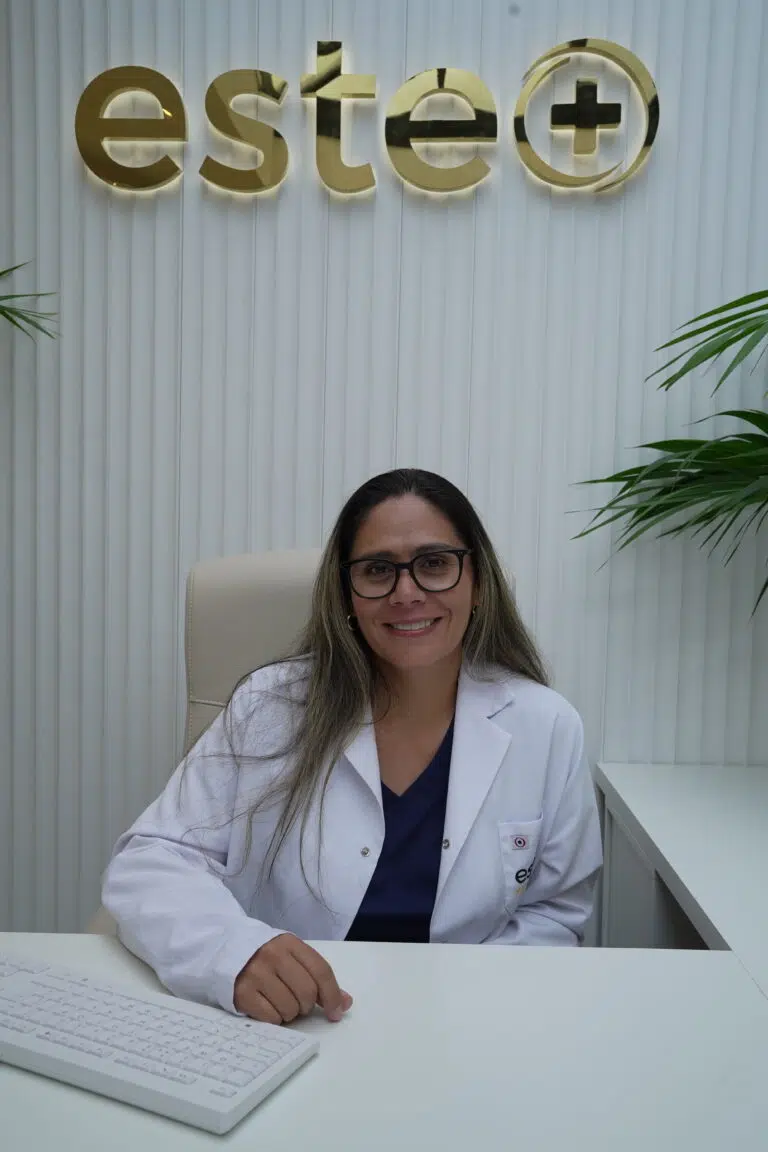
Dr. Ileana Lizzeth Jimenez Andrade
GMC Number: 7764470
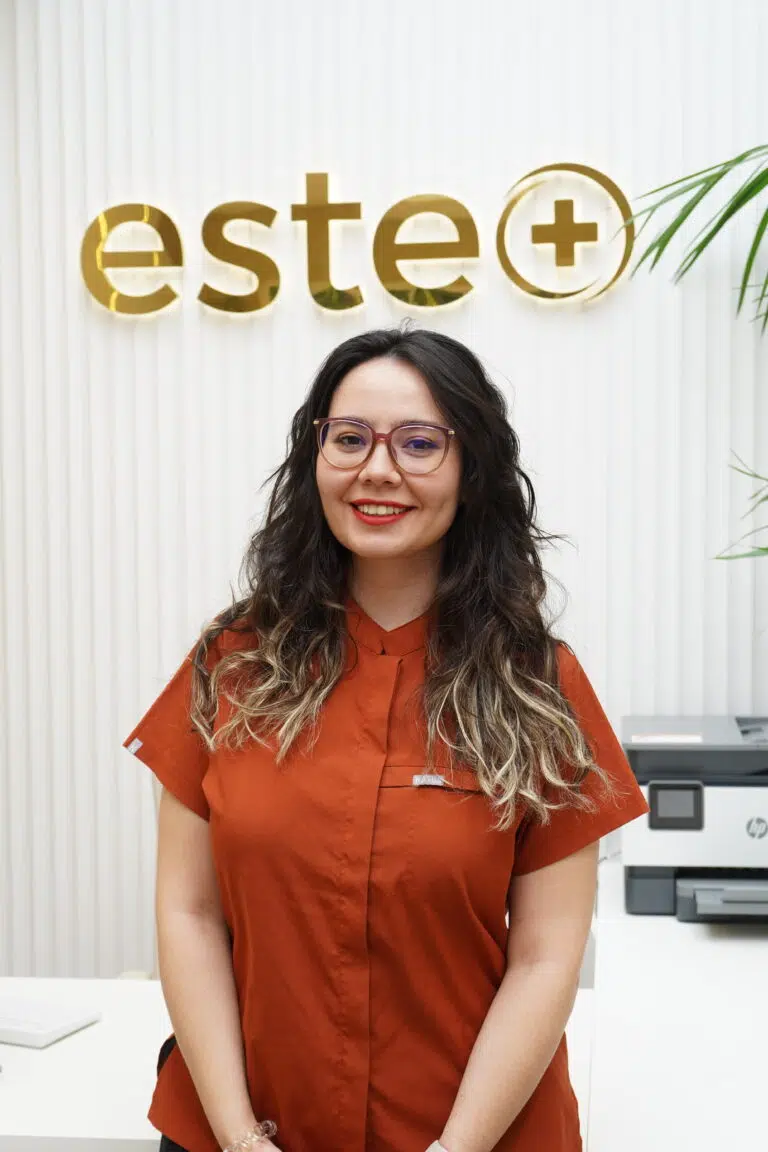
Dr. Ilknur Nihal Ardic
GMC Number: 7996656
Eyebrow Transplant Recovery and New Hair Growth
The first few days are mainly about protecting the implanted area. Mild redness, swelling or small scabs around the graft sites can happen while the skin settles.
The transplanted hairs may shed before new growth starts. This is a recognised part of the hair-transplant cycle. New growth develops gradually over the following months rather than appearing all at once.
Because donor hairs are usually taken from the scalp, they can keep some scalp-hair characteristics and may grow longer than native eyebrow hair. Regular trimming can therefore become part of your normal brow routine.
Your own aftercare plan and expected timeline will be explained before treatment so you know what is normal and when to contact the team.
How Much Does an Eyebrow Transplant Cost in Leeds?
The cost of an eyebrow transplant in Leeds depends on the treatment plan rather than a fixed city price. Restoring one small area is different from rebuilding both brows, and the number of suitable donor follicles required can vary significantly.
Factors that can affect your quotation include the amount of hair that needs restoring, existing brow density, donor-hair suitability, whether one or both brows are treated and the complexity of the design.
A personalised quotation can be provided after your brows and donor area have been assessed. Finance may be available on eligible treatments, subject to status and applicable terms.


Visit our Leeds clinic
ESTE Medical Group Leeds
Old Hall, Elmete Hall, Elmete Lane, Leeds, LS8 2LJ
📞 0113 323 2528
✉️ [email protected]
🕘 Open daily from 10:00 am to 8:00 pm
Book an Eyebrow Transplant in Leeds
Book a consultation with Este Medical Group Leeds, if you are considering an eyebrow transplant to find out whether the treatment is suitable for your individual needs and eyebrow thinning concerns.