
Eyebrow Transplant Glasgow – Natural-Looking Brow Restoration
0% finance available on eligible treatments. Ask our Glasgow team during consultation.
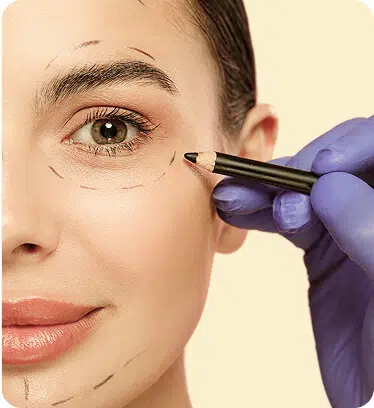
Brows are small features, but even a modest gap or loss of density can change the way the whole face looks. If your eyebrows have become sparse through over-plucking, scarring, naturally light growth or another cause, an eyebrow transplant can be considered when you want to restore real hair rather than create the appearance of hair with pigment.
At Este Medical Group Glasgow, the starting point is a proper assessment rather than a standard brow template. We look at the hair you still have, the areas that have stopped growing, the quality of your donor hair and the shape you would actually feel comfortable wearing every day.
Our Glasgow clinic is based on Bath Street in the city centre, with appointments available for patients travelling from across Glasgow and the wider Central Belt.
What an Eyebrow Transplant Can Help With
People arrive at an eyebrow consultation for very different reasons. Some still have a good brow shape but have lost density through the tail. Others have one obvious gap, a scar that interrupts the brow, or naturally fine eyebrows that have always needed pencilling in.
- Long-term thinning after repeated plucking or shaping
- Naturally sparse or uneven eyebrow growth
- A gap through the body or tail of the eyebrow
- Partial eyebrow loss after an old injury or scar
- Asymmetry where one brow has noticeably less hair than the other
- Patients who want genuine hair growth rather than relying only on cosmetic camouflage
The reason for the hair loss matters. If eyebrow shedding is recent, still progressing or unexplained, it may be better to investigate the cause before considering surgery. A transplant should only be planned when the team has a sensible understanding of the recipient area and the donor hair available.
Your Glasgow Eyebrow Consultation: What We Actually Look At
A good eyebrow transplant plan is not based on a graft number alone. The consultation is where we work out whether transplantation makes sense for your brows and, if it does, what kind of result is realistic.
1. The Pattern of Hair Loss
We look at which part of the brow has thinned, whether the change is stable and how much natural hair remains. A small gap through the tail needs a different approach from rebuilding most of an eyebrow.
2. Brow Shape and Facial Proportion
The aim is not to give every patient the same arch. Your existing brow position, facial proportions, the distance between the brows and the natural line of the brow all influence the design. Small adjustments usually look more believable than an exaggerated shape that does not suit the face.
3. Donor-Hair Quality
Eyebrow work is detailed, so donor-hair texture matters. The clinical team assesses whether suitable follicles are available and how well their thickness and growth characteristics are likely to blend with the hair already in your brows.
4. What You Want to Change
Some patients mainly want to close a gap. Others want more density, a stronger tail or more balanced brows. Agreeing the objective before treatment helps keep the plan realistic and prevents the design being driven by a generic “full brow” look.
For a broader explanation of the treatment, reconstruction options and UK-wide information, see our eyebrow transplant UK guide.
Why Eyebrow Grafting Needs Different Planning from a Scalp Hair Transplant
A scalp transplant and an eyebrow transplant both move living follicles, but the design problem is very different. Eyebrow hairs sit close to the skin and change direction as they move from the inner brow towards the body, arch and tail. When a graft sits too upright or points the wrong way, it can be noticeable because the brows are seen at close range.
For that reason, eyebrow restoration is less about placing the highest possible number of grafts and more about selecting suitable follicles and placing them in the right position, direction and angle. Fine single-hair follicular units are often particularly useful around visible edges and transitions.
Published eyebrow-transplant literature also highlights donor-hair selection, single-follicle placement, growth direction and angle as important parts of achieving a natural-looking result. Your own plan will still depend on the hair available and the condition of the recipient skin.
Robotic DHI Eyebrow Restoration at Este Medical Group
Este Medical Group uses Robotic DHI (Direct Hair Implantation) within its hair-restoration service. For eyebrow work, the value of careful implantation is the ability to plan each follicle around the direction and density needed in a very small, visible area.
The process begins with the brow design and donor assessment. Suitable follicles are then prepared for implantation and positioned according to the planned shape. The head of the brow, body, arch and tail do not all need the same orientation, so the team adjusts placement rather than treating the eyebrow as one straight line.
Your exact technique, graft requirement and procedure arrangements are confirmed after assessment. We do not use one standard graft package or brow outline for every patient.
If you are also researching scalp hair restoration, you can read about our Hair Transplant Glasgow service separately.
Over-Plucked Brows: Can Hair Be Restored?
Years of tweezing can leave some parts of the eyebrow noticeably thinner than they used to be. In some people the hair grows back; in others, certain areas remain sparse even after they stop plucking.
If the loss is stable and suitable donor follicles are available, transplantation may be an option for rebuilding density in the areas that no longer grow well. The plan should follow the hair that remains rather than trying to erase the natural brow and start again.
This is especially important when only the tail or a narrow section is affected. A smaller, carefully blended restoration can often make more sense than creating an entirely new brow shape.
What If I Have Had Microblading or Brow Tattooing?
Microblading and eyebrow transplantation solve different problems. Microblading places pigment in the skin to imitate fine hairs; transplantation moves living hair follicles into the brow so that real hair can grow.
Having previous microblading does not automatically rule out a transplant. During consultation, the team needs to see the condition of the skin, the remaining natural eyebrow hairs, the pigment pattern and the result you now want. In some cases the existing pigment can influence how the new shape should be planned.
If you already have reasonable eyebrow hair and mainly want a stronger visual outline, a transplant may not be the only option. If the problem is genuine loss of hair, transplantation can be considered because it addresses the missing follicles rather than only adding colour.
Can Eyebrow Hair Be Transplanted into a Scar?
A scar can leave a clear break through an otherwise normal eyebrow. Hair transplantation may be possible in selected scarred areas, but scar tissue needs more careful assessment than unaffected skin.
The age and condition of the scar, skin quality and local blood supply can all affect planning and expected growth. If your eyebrow gap follows an old injury or previous surgery, the team will assess the area before advising whether grafting is appropriate and what result is realistic.
When an Eyebrow Transplant May Need to Wait
Not every sparse eyebrow should go straight to surgery. We may recommend further assessment, or advise against treatment for the time being, when the cause of eyebrow loss is unclear, the hair loss is active, the donor supply is unsuitable or the expected result cannot be achieved safely with the available follicles.
This matters because donor hair is limited. Using follicles in a plan that is unlikely to give a useful result is not in the patient’s interest. A consultation should leave you with a clearer understanding of your options, including when doing nothing yet is the sensible choice.
What to Expect After an Eyebrow Transplant
The first few days are mainly about protecting the newly implanted grafts. Small crusts can form around the hairs and the skin may look red or mildly swollen while the area settles. You will be given aftercare instructions explaining how to look after both the donor and recipient areas.
It is common for the transplanted hair shafts to shed before new growth begins. This can make the brows look temporarily sparse again, which is why judging the result too early is misleading. New hairs develop gradually over the following months rather than appearing all at once.
Because the donor follicles usually come from the scalp, the transplanted hairs can keep some scalp-hair growth characteristics. Once established, they may grow longer than surrounding eyebrow hairs, so occasional trimming becomes part of normal brow maintenance.
GMC-Registered Hair Transplant Surgeons at Este Medical Group
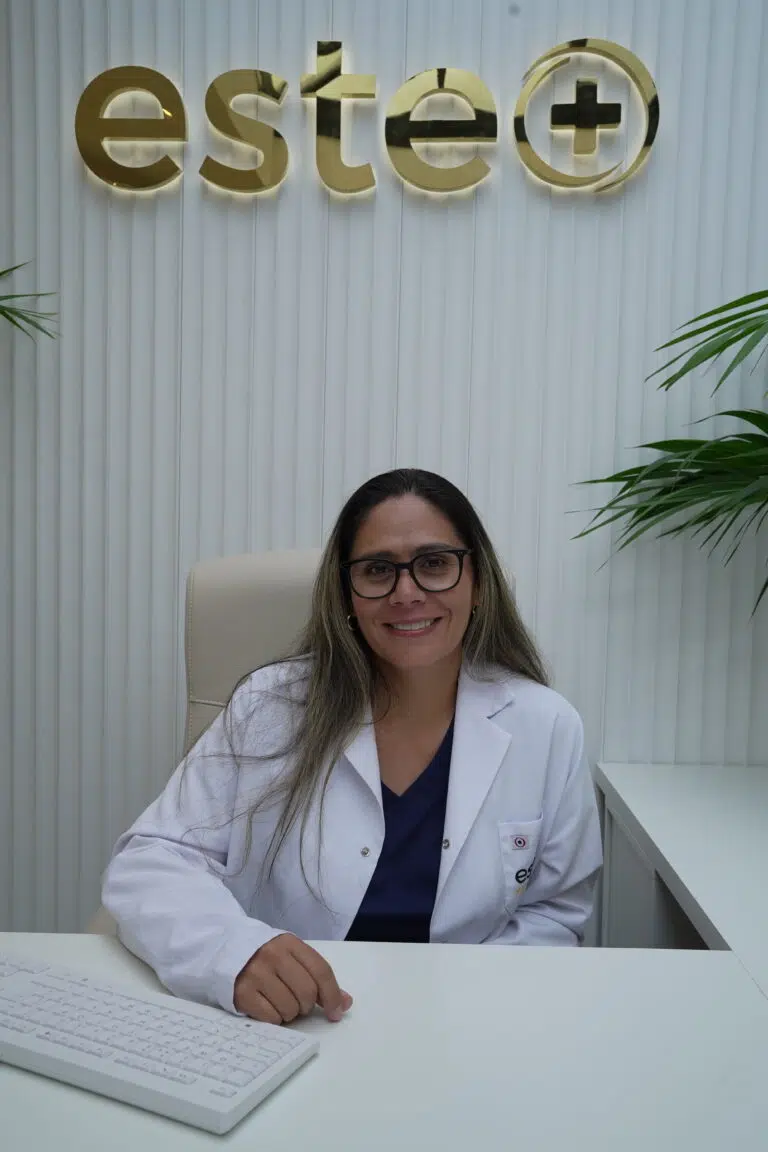
Dr. Ileana Lizzeth Jimenez Andrade
GMC Number: 7764470
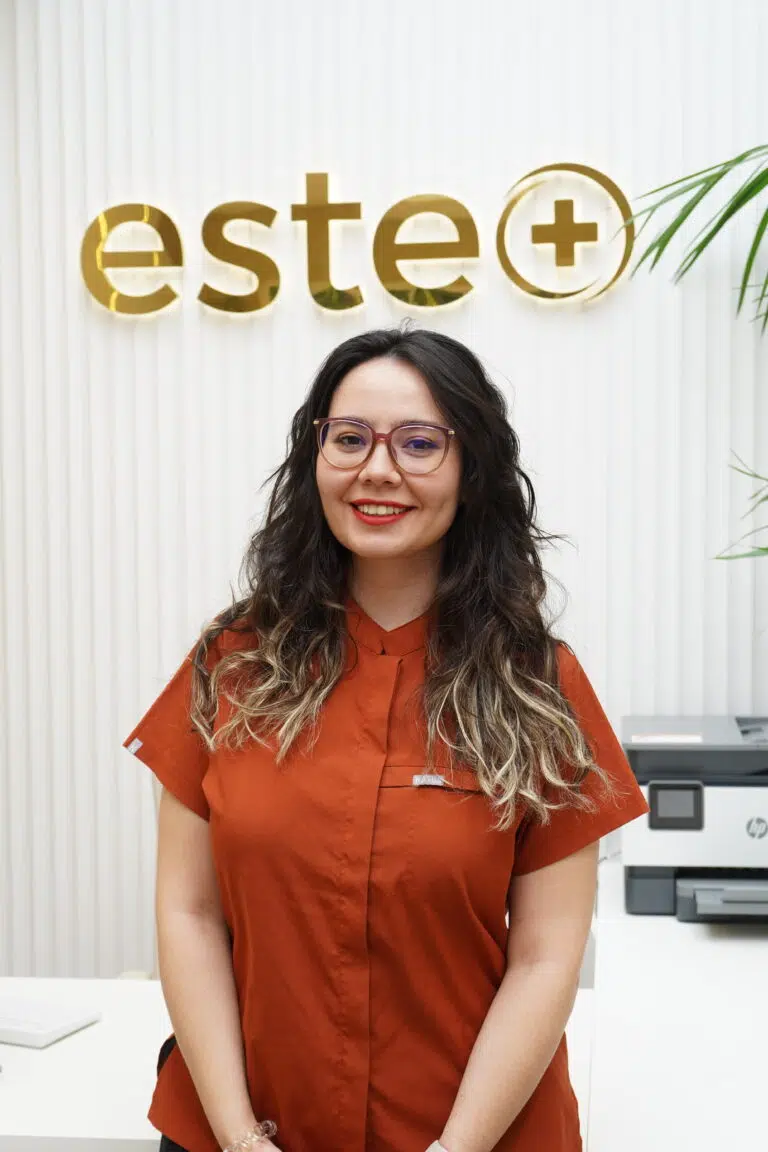
Dr. Ilknur Nihal Ardic
GMC Number: 7996656
How Much Does an Eyebrow Transplant Cost in Glasgow?
There is no single price that accurately describes every eyebrow transplant. A person filling one small gap may need far fewer grafts and less design work than someone rebuilding large sections of both eyebrows.
Your quotation can be influenced by:
- How much of one or both brows needs restoring
- The number and type of grafts required
- The quality and suitability of the donor hair
- Whether the treatment involves a small gap, scar or wider reconstruction
- The complexity of the planned brow design
- The clinical plan agreed following assessment
Once your eyebrows and donor area have been assessed, the Glasgow team can explain the recommended plan and provide the applicable quotation before you decide whether to proceed.


Visit Este Medical Group Glasgow
ESTE Medical Group Glasgow
1st Floor, 176 Bath Street, Glasgow, G2 4HG
📞 0141 375 2128
✉️ glasgow@estemedicalgroup.uk
🕘 Open daily from 10:00 am to 8:00 pm & Sunday: 10:00 am to 6:00 pm
Our Glasgow clinic is on Bath Street in the city centre, making it convenient for appointments before or after work and for patients travelling in from other parts of the Central Belt.
Glasgow Queen Street and Glasgow Central are both within the city centre, and Buchanan Street Subway provides another public-transport option. If you are driving, Bath Street is accessible from the M8, with public car parks and limited street parking in the surrounding area.
For directions, opening times and information about the wider treatment range, visit the Este Medical Group Glasgow clinic page.
If an eyebrow transplant is recommended after assessment, your team will explain the treatment plan, procedure arrangements, expected recovery and aftercare before consent. You will have the opportunity to ask questions and decide whether the treatment is right for you.