
Este Medical Group

Eyebrow Transplant Bristol – Natural-Looking Brow Restoration

0% finance available on eligible treatments. Ask our Bristol team during consultation.

Thin, uneven or missing eyebrow hair can change the balance of your face and make daily brow maintenance frustrating. If you are considering an eyebrow transplant in Bristol, Este Medical Group offers personalised consultation and eyebrow restoration planning from our Queen Square clinic.


An eyebrow hair transplant uses suitable follicles from your own donor hair to restore areas where eyebrow growth is sparse or absent. The aim is not simply to create thicker brows. Shape, density, hair direction and your natural facial proportions all need to work together.


At your Bristol consultation, we assess your existing eyebrow growth, donor hair, the reason for your eyebrow thinning and the result you would like to achieve before recommending treatment.

Why People Consider Eyebrow Restoration in Bristol

There is no single reason why someone may lose eyebrow density.
 
Some patients have naturally fine eyebrows, while others notice permanent gaps after years of plucking, waxing or shaping. Eyebrow hair may also be affected by previous injury, scarring or other causes of hair loss.
 
You may want to discuss eyebrow restoration if you have:
 
  • Naturally thin or sparse eyebrows
  • Gaps that no longer grow as they once did
  • Long-term thinning after over-plucking
  • Uneven density between your eyebrows
  • Areas of eyebrow hair affected by previous injury or scarring
  • Partial loss of one or both eyebrows
  • Previous cosmetic brow treatments but would now prefer actual hair growth
  • Enough remaining brow hair but want improved shape or density
The reason for eyebrow loss matters. If your eyebrow thinning is unexplained, recent or potentially related to an underlying medical condition, further assessment may be appropriate before surgical treatment is considered.
 
Our role during consultation is to establish whether transplantation is suitable rather than assuming surgery is automatically the right answer.

Your Eyebrow Transplant Consultation in Bristol

A successful eyebrow transplant starts with planning.
 
Your Bristol consultation provides an opportunity to discuss what has changed about your eyebrows, what you would like to improve and whether your donor hair is suitable for transplantation.
 

Understanding Your Existing Brows

We assess where hair remains, where density has been lost and whether the problem affects a small section of the eyebrow or requires more extensive reconstruction.
 

Brow Shape and Facial Proportions

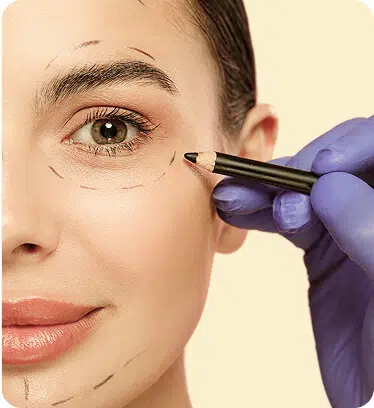
Rather than choosing a standard eyebrow template, the planned brow should work with your facial proportions and existing hair.
The head, body, arch and tail of an eyebrow do not all grow in exactly the same direction. This is why eyebrow design requires more than simply drawing a shape and filling it with grafts.
 

Donor Hair Assessment

Suitable donor follicles need to be available.
Hair thickness, texture and growth characteristics are considered because transplanted hairs should blend as naturally as possible with your existing eyebrows.
 

Medical Suitability

Your general health and the reason for eyebrow hair loss are considered before transplantation is recommended.
Where there may be an active or unexplained cause of eyebrow loss, the appropriate next step may be further assessment rather than immediate surgery.
 

Setting Realistic Expectations

Your team will explain what eyebrow transplantation may realistically achieve in your individual case, along with expected healing, shedding, regrowth and ongoing grooming.

How Eyebrow Hair Grafting Creates a Natural-Looking Brow

Eyebrow transplantation requires particularly careful follicle placement.
 
Unlike scalp hair, eyebrow hairs sit close to the skin and change direction as they travel from the inner brow towards the arch and tail. Small differences in angle can therefore have a noticeable effect on the final appearance.
 
Suitable donor follicles are selected and prepared before being implanted into the planned eyebrow area.
 
Treatment planning considers:
 
  • The direction of your existing eyebrow hair
  • The angle at which each transplanted hair should emerge
  • Suitable donor-hair thickness
  • The amount of existing eyebrow density
  • The planned brow outline
  • Symmetry between both brows
  • The density required within different parts of the eyebrow
Where appropriate, DHI implantation techniques can allow careful control over the placement of individual follicles.
 
The objective is not an excessively dense or artificial brow. It is to create hair growth that integrates naturally with your existing eyebrows and complements your facial features.

DHI Eyebrow Transplantation at Este Medical Group

DHI stands for Direct Hair Implantation.
 
For eyebrow restoration, precision during implantation is particularly important because each follicle contributes to the appearance of the finished brow.
 
Following assessment and treatment planning, suitable donor follicles are harvested and prepared for implantation. Individual follicles can then be positioned according to the planned eyebrow shape, density and natural hair direction.
 
Particular attention is given to areas such as the brow head, arch and tail because the direction of hair growth changes across these areas.
 
Your exact treatment technique will be confirmed following assessment. We do not recommend the same graft number, eyebrow shape or implantation plan for every patient.
 
For a wider explanation of eyebrow transplantation, eyebrow reconstruction and UK treatment options, visit our eyebrow transplant UK guide.

When Might an Eyebrow Transplant Not Be the Right Option?

Good treatment planning also means recognising when transplantation may not be appropriate.
 
An eyebrow transplant may need to be reconsidered or delayed if:
 
  • The underlying reason for eyebrow loss has not been established
  • Hair loss is active or continuing
  • There is insufficient suitable donor hair
  • A medical condition needs to be investigated first
  • The expected result cannot realistically be achieved with available donor follicles
  • Your treatment expectations do not match what surgery can safely provide
During your consultation, we will explain the available options and whether additional assessment is advisable.
 
This approach protects your donor hair and helps avoid proceeding with treatment that may not be suitable for you.

Eyebrow Transplant or Microblading?

People researching eyebrow restoration in Bristol often compare hair transplantation with microblading.
 
They are very different treatments.
 
Microblading: uses pigment to create the visual appearance of eyebrow hairs. It can alter the apparent shape and definition of the brow but does not create new hair follicles.
 
An eyebrow hair transplant transfers your own suitable donor follicles into areas of thinning or missing brow hair. Once established, those follicles produce actual hair growth.
 
Microblading may appeal to someone mainly looking for a cosmetic change in colour or definition. Eyebrow transplantation may be worth considering where the objective is to restore genuine hair in sparse or missing areas.
 
Having had microblading previously does not automatically mean you can or cannot have an eyebrow transplant. Your brow skin, existing hairs and desired result need to be assessed individually.

Can an Eyebrow Transplant Help Over-Plucked Brows?

Long-term over-plucking is one of the reasons people investigate eyebrow restoration.
 
Repeated removal of eyebrow hairs can sometimes leave areas where growth becomes sparse or fails to return as it did previously.
 
If this has happened, transplantation may be considered where suitable donor follicles are available.
 
The first step is to assess how much natural eyebrow hair remains and exactly where restoration is required. A small gap within an otherwise healthy eyebrow requires a different plan from extensive eyebrow reconstruction.
 
The number of grafts therefore varies from person to person rather than being based on a fixed package.

GMC-Registered Hair Transplant Surgeons at Este Medical Group
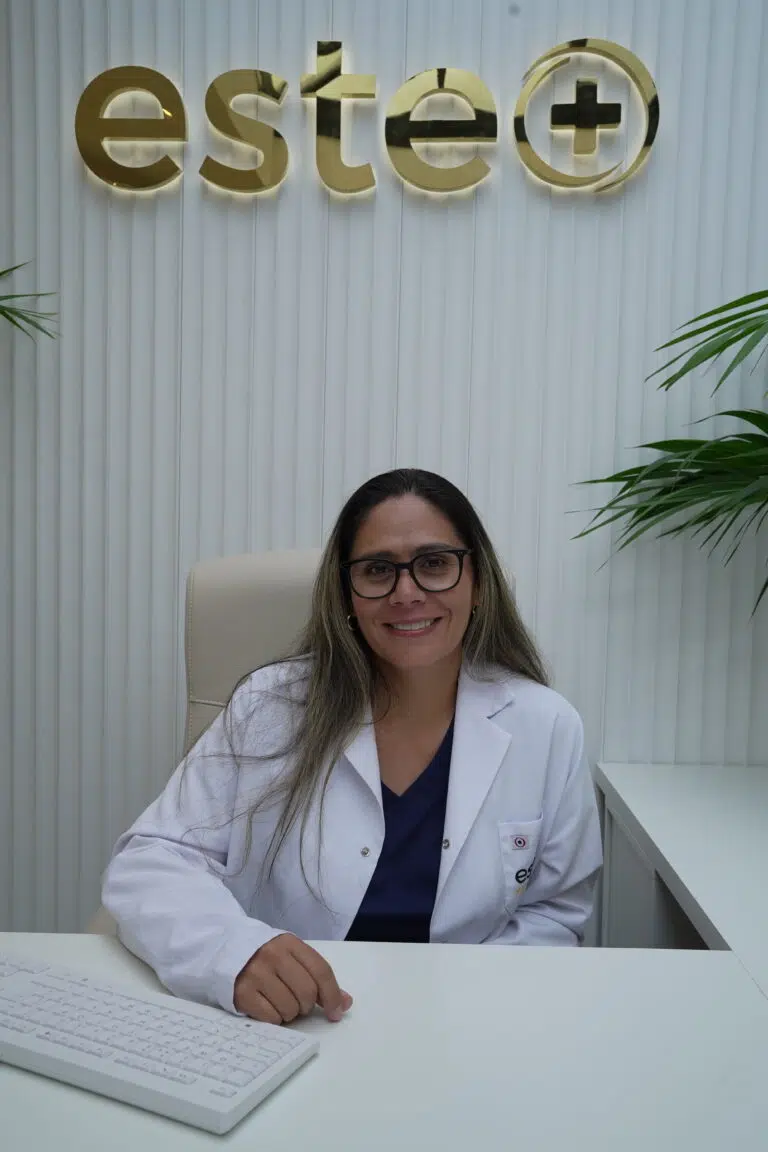
Dr Ileana Lizzeth Jimenez Andrade, GMC-registered hair transplant surgeon at Este Medical Group
Hair Transplant Surgeon

Dr. Ileana Lizzeth Jimenez Andrade

GMC Number: 7764470
Dr Ilknur Nihal Ardic, GMC-registered hair transplant surgeon at Este Medical Group
Hair Transplant Surgeon

Dr. Ilknur Nihal Ardic

GMC Number: 7996656

Eyebrow Transplant Recovery and Hair Growth

Your eyebrow transplant result develops gradually.
 
Some redness, mild swelling or small scabs around the implanted follicles can occur during the early healing period.
 
The transplanted hairs may then shed before new growth starts. This shedding is a normal part of the transplantation cycle and does not necessarily mean that the implanted follicles have been lost.
 
New eyebrow hair develops progressively over the following months. The appearance continues to mature as more follicles enter their normal growth cycle.
 
Because donor hairs commonly come from the scalp, they can retain some scalp-hair characteristics and may grow longer than natural eyebrow hairs.
 
You should therefore expect occasional trimming to become part of normal eyebrow grooming after the transplanted hair has established.
 
Your aftercare instructions and individual growth timeline will be explained as part of your treatment plan.

How Much Does an Eyebrow Transplant Cost in Bristol?

The cost of eyebrow transplantation depends on the individual treatment plan.
 
Someone who wants to restore a small gap within one eyebrow may require a very different procedure from someone considering fuller reconstruction of both brows.
 
Factors affecting your personalised quotation may include:
  • How much eyebrow hair needs restoring
  • Existing eyebrow density
  • The number of follicles required
  • Donor-hair quality and suitability
  • Whether one or both eyebrows require treatment
  • Complexity of the brow design
  • The overall treatment plan
We therefore recommend assessment before discussing a final treatment price.
 
Finance options may be available on eligible treatments, subject to status and applicable terms.

Visit our Bristol clinic

ESTE Medical Group Bristol
48 Queen Square, Bristol, BS1 4LY
📞 0117 313 5969
✉️ bristol@estemedicalgroup.uk
🕘 Monday–Saturday: 10:00 am – 8:00 pm &
Sunday: 10:00 am – 6:00 pm


Our Queen Square clinic is in Bristol city centre, close to Pero’s Bridge. Bristol Temple Meads is one of the main nearby rail connections, and city-centre parking options are available around Queen Square and the surrounding area.
 
For information about other treatments and visiting the branch, see our Este Medical Group Bristol clinic page.
 

Important Treatment Location Information

The Bristol clinic supports consultation, assessment, treatment planning and patient care.
 
Este Medical Group’s CQC-registered surgical service is located at 7–9 Portland Road, Edgbaston, Birmingham, B16 9HN.
 
If eyebrow transplantation is recommended, the exact treatment arrangements and procedure location will be explained to you before treatment and consent.

Start With an Eyebrow Transplant Consultation in Bristol

If you are researching eyebrow transplantation in Bristol, start by finding out whether the treatment is appropriate for your particular type of eyebrow thinning.
 
At your consultation, we can discuss your existing growth, donor hair, desired eyebrow shape, treatment options and the next steps if transplantation is recommended.

Eyebrow Transplant Bristol FAQs

Can I have an eyebrow transplant consultation in Bristol?

Yes. You can arrange an eyebrow transplant consultation with Este Medical Group at our Bristol clinic at 48 Queen Square. Your existing eyebrow growth, donor hair, treatment goals and suitability can be assessed before a treatment plan is recommended.

The Bristol clinic supports consultation, assessment, treatment planning and patient care. Este Medical Group’s CQC-registered surgical service is located in Birmingham. If surgery is recommended, your exact procedure location and treatment arrangements will be confirmed before you consent.

It may be possible. Long-term over-plucking is a common reason people investigate eyebrow restoration. Suitability depends on how much eyebrow hair remains, the condition of the area and whether suitable donor follicles are available.

Previous microblading does not automatically rule out transplantation. Your brow skin, remaining eyebrow hairs, pigmentation and treatment goals should be assessed before a recommendation is made.

There is no single graft number suitable for everyone. The amount required depends on your existing eyebrow density, size of the area being restored, donor-hair characteristics and the brow design you hope to achieve.

They often do. Donor hairs are commonly taken from the scalp and can retain their original growth characteristics, which means they may grow longer than natural eyebrow hairs. Occasional trimming may therefore be required.

Eyebrow transplant results develop gradually. Transplanted hairs may initially shed before new growth begins, with density and appearance continuing to mature over subsequent months. Your individual expected timeline will be discussed during consultation.

The cost depends on the extent of restoration required, donor-hair suitability, the number of follicles needed and the complexity of your treatment plan. A personalised recommendation and quotation can be provided after assessment.
    Book Your Consultation


    Our team will call you back.


      Book Your Consultation


      Our team will call you back.