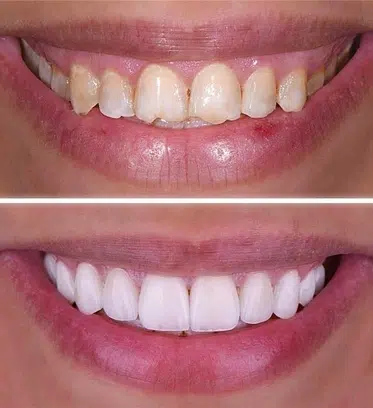

What Are Scars?
Scars are marks left on the skin after the body repairs damage caused by injury, acne, surgery, burns or inflammation. They form as part of the natural healing process when the skin produces collagen to close and strengthen the damaged area.
A scar may look flat, raised, sunken, darker, lighter, red or textured depending on how the skin has healed. Some scars fade naturally over time, while others remain visible or become more noticeable because of colour, depth, thickness or uneven skin texture.
Scars are very common and are not usually harmful, but they can affect confidence, especially when they appear on visible areas such as the face, neck, chest, arms or legs.
Understanding the type of scar and how long it has been present is important before choosing a treatment approach. Different scars respond better to different treatments, so a personalised assessment is often the best starting point.
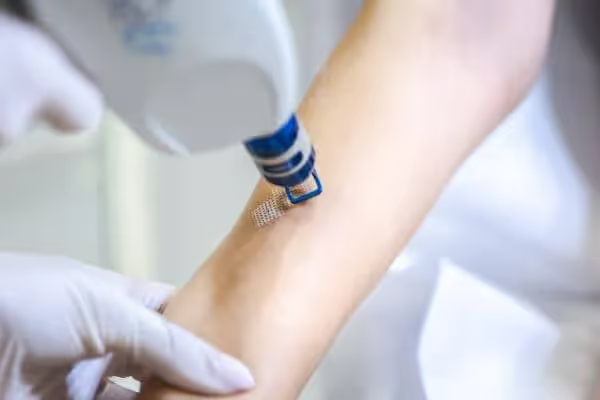
Types of Scars
Scars can appear in different forms. Identifying the scar type helps determine the most suitable treatment.
Acne Scars
Acne scars are often caused by inflamed breakouts that damage deeper layers of the skin. They may appear as ice pick scars, boxcar scars, rolling scars or uneven skin texture.
Surgical Scars
Surgical scars form after incisions made during medical or cosmetic procedures. Their appearance can vary depending on wound healing, tension on the skin and aftercare.
Atrophic Scars
Atrophic scars are sunken or indented scars caused by a loss of collagen. Acne scars and chickenpox scars often fall into this category.
Hypertrophic Scars
Hypertrophic scars are raised scars that remain within the boundary of the original wound. They are caused by excess collagen during healing.
Keloid Scars
Keloid scars are raised scars that grow beyond the original wound area. They can be more common in certain skin types and may need specialist medical management.
Pigmented Scars
Some scars leave darker or lighter marks after healing. This is often linked with post-inflammatory pigmentation, especially after acne, injury or skin irritation.
Stretch Mark Scars
Stretch marks are a form of dermal scarring caused by rapid stretching of the skin. They may appear red, purple, white or silver over time.
What Causes Scars?
Scars form when the skin repairs itself after injury or inflammation. During healing, the body produces collagen fibres to rebuild the damaged area.
Sometimes this collagen forms smoothly. In other cases, the skin may heal with too much collagen, too little collagen or uneven collagen structure. This can lead to raised, flat, sunken or textured scars.
Common causes of scars include:
- Acne breakouts
- Surgery or cosmetic procedures
- Cuts and injuries
- Burns
- Skin infections
- Chickenpox
- Inflammation from skin conditions
- Picking or squeezing spots
- C-section wounds
- Trauma to the skin
The final appearance of a scar can depend on skin type, genetics, wound depth, location, aftercare, infection risk and how the skin naturally heals.
Common Areas Affected by Scars
Scars can appear anywhere on the body, but some areas are more commonly affected due to acne, surgery, injury or stretching.
Common areas include:
- Face
- Cheeks
- Jawline
- Chest
- Back
- Shoulders
- Arms
- Abdomen
- Legs
- C-section area
Facial scars are often linked with acne or injury, while body scars may follow surgery, burns, trauma, stretch marks or previous skin conditions.
How Scars Can Affect the Skin
Scars can affect the colour, texture and smoothness of the skin. Some scars are barely noticeable, while others may be more visible because they are raised, indented, dark, pale or firm.
Common scar-related concerns include:
- Uneven skin texture
- Pitted or indented skin
- Raised scar tissue
- Redness
- Dark pigmentation
- Pale or white marks
- Skin tightness
- Changes in confidence
- Makeup settling into uneven texture
- Visible scarring after acne or surgery
For many people, scar treatment is not about making scars disappear completely. The aim is usually to improve texture, soften visibility and support healthier-looking skin.
Can Scars Fade Naturally?
- Scar type
- Scar age
- Skin tone
- Scar depth
- Scar location
- Collagen response
- Sun exposure
- Aftercare
- Genetics
When Should You Seek Professional Scar Treatment?
Professional assessment may help if scars are affecting confidence, texture, skin tone or comfort.
You may wish to seek professional treatment if:
- Scars are raised, sunken or textured
- Acne scars remain after breakouts have cleared
- Surgical scars are noticeable
- Scars are darker or lighter than surrounding skin
- Skin texture feels uneven
- Scars are affecting confidence
- Makeup does not sit smoothly
- You want to understand suitable treatment options
- At-home skincare has not improved the appearance
If a scar is painful, growing quickly, bleeding, very itchy, infected or changing unexpectedly, medical advice should be sought before cosmetic treatment.
Book a consultation with Este Medical Group to assess your scar type and explore suitable scar treatment options.
Scar Removal Treatment Options in the UK
- Improve skin smoothness
- Reduce discolouration
- Minimise raised tissue
- Enhance overall skin tone
Laser Scar Removal
- Acne scars
- Surgical scars
- Uneven skin texture
- Red or pigmented scars
- Surface-level irregularity
- Selected older scars
Microneedling for Scars
- Acne scars
- Mild indented scars
- Uneven skin texture
- Post-inflammatory marks
- Skin firmness
- Overall skin smoothness
RF Microneedling
- Deeper acne scars
- Rolling scars
- Textural scarring
- Skin laxity around scars
- Scars where deeper collagen support is needed
- Selected skin tones where aggressive resurfacing may not be suitable
Chemical Peels
- Mild acne marks
- Surface texture
- Pigmented scars
- Uneven skin tone
- Post-inflammatory pigmentation
Acne Scar Treatment
If your scars are caused by acne, a dedicated acne scar treatment plan may be needed. Acne scars can include ice pick, boxcar and rolling scars, and each type may respond differently to treatment.
Speak to a Skin Specialist
If scars from acne, surgery, injury or stretch marks are affecting your confidence or skin texture, Este Medical Group can help you explore suitable treatment options.
Frequently Asked Questions About Scars
What are scars?
Scars are marks left on the skin after the body repairs damage caused by injury, acne, surgery, burns or inflammation.
What causes scars?
Scars usually cannot be removed completely, but professional treatments may help improve their texture, colour and overall appearance.
Can scars disappear completely?
Scars usually cannot be removed completely, but professional treatments may help improve their texture, colour and overall appearance.
What are the main types of scars?
Common scar types include acne scars, surgical scars, atrophic scars, hypertrophic scars, keloid scars, pigmented scars and stretch mark scars.
What is the best treatment for scars?
The best treatment depends on scar type, depth, age and skin tone. Options may include laser treatment, microneedling, RF microneedling or chemical peels.
Does microneedling help scars?
Microneedling may help improve some scars by stimulating collagen and elastin production in the skin.
Can laser treatment help scars?
Laser treatment may help improve scar texture, colour and surface irregularity in selected scar types.
Can chemical peels help scars?
Chemical peels may help improve superficial scarring, uneven tone and pigmentation, but deeper scars may need other treatments.
How many scar treatment sessions are needed?
The number of sessions depends on scar type, depth, age, treatment method and individual skin response.
When should I seek professional advice for scars?
Professional advice may help if scars are raised, indented, pigmented, textured, affecting confidence or not improving with skincare.