
What Is Psoriasis?
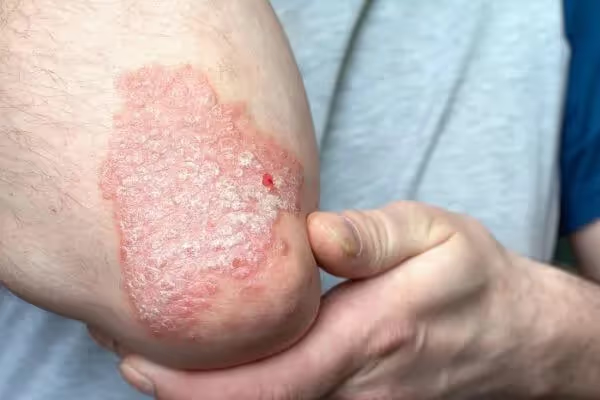
Psoriasis is a long-term inflammatory skin condition that causes patches of dry, flaky, scaly or irritated skin. These patches are often called plaques and may appear red, pink, purple, grey or darker depending on skin tone.
The condition happens when the immune system becomes overactive and speeds up the skin cell renewal process. Instead of skin cells renewing gradually, they build up too quickly on the surface, leading to thickened patches, scaling and inflammation.
Psoriasis is not contagious and cannot be passed from person to person. However, it can be persistent, uncomfortable and emotionally challenging, especially when flare-ups affect visible areas such as the scalp, face, hands, elbows or knees.
Understanding the causes, symptoms, triggers and treatment support options can help individuals manage flare-ups and explore suitable skin treatment pathways.
Types of Psoriasis
There are several types of psoriasis, and each can appear slightly differently.
Plaque Psoriasis
Plaque psoriasis is the most common type. It causes raised, scaly plaques that often appear on the elbows, knees, scalp, lower back and trunk.
Scalp Psoriasis
Scalp psoriasis can cause flaking, itching, thickened patches and scale build-up on the scalp. It may sometimes be mistaken for dandruff.
Guttate Psoriasis
Guttate psoriasis often appears as small drop-like patches on the body. It may develop after infections such as a sore throat.
Inverse Psoriasis
Inverse psoriasis affects skin folds such as underarms, groin, under the breasts or around the genital area. It may appear smoother, redder or more irritated due to friction and moisture.
Nail Psoriasis
Nail psoriasis can cause pitting, thickening, discolouration or lifting of the nails.
Pustular Psoriasis
Pustular psoriasis is a less common type that causes pus-filled bumps on the skin and may require medical assessment.
What Causes Psoriasis?
Psoriasis is linked to immune system activity and inflammation in the skin. In people with psoriasis, the immune system sends signals that cause skin cells to grow and renew too quickly.
This rapid skin cell turnover leads to the build-up of plaques, scales and inflamed patches.
Common contributing factors include:
- Immune system overactivity
- Genetics and family history
- Skin injury or trauma
- Stress
- Infection
- Smoking
- Alcohol
- Certain medications
- Hormonal changes
- Cold or dry weather
- Obesity or inflammatory lifestyle factors
Psoriasis can affect people differently. Some individuals have occasional mild flare-ups, while others experience more persistent symptoms that need ongoing management.
Common Symptoms of Psoriasis
Psoriasis symptoms can vary depending on the type, severity and area affected.
Common symptoms include:
- Dry, flaky or scaly patches
- Red, pink, purple, grey or darker plaques
- Itching
- Soreness or tenderness
- Cracked skin
- Silvery-white or grey scaling
- Thickened patches of skin
- Scalp flaking
- Nail changes in some cases
- Flare-ups that come and go
On darker skin tones, psoriasis may appear purple, dark brown or grey rather than bright red. This is important because psoriasis can sometimes be harder to recognise in melanin-rich skin.
How Psoriasis Can Affect the Skin
- Persistent scaling
- Itching and soreness
- Cracking or bleeding
- Visible plaques
- Skin sensitivity
- Discomfort wearing certain clothing
- Reduced confidence during flare-ups
- Emotional stress
- Difficulty managing scalp or visible patches
When Should You Seek Professional Support?
- Psoriasis patches keep returning
- Itching or soreness affects daily life
- Plaques are visible or spreading
- Scalp psoriasis is difficult to manage
- Over-the-counter products are not helping
- Skin becomes cracked, bleeding or painful
- Flare-ups affect confidence or wellbeing
- You want to explore light-based treatment options
How We Treat Psoriasis at Este Medical Group
- Type of psoriasis
- Severity of symptoms
- Area affected
- Skin type
- Flare-up triggers
- Previous treatments used
- Whether psoriasis is localised or widespread
- Medical history and suitability
Exciplex® Light Therapy
- Localised psoriasis plaques
- Scaling and thickened patches
- Persistent inflammatory patches
- Psoriasis affecting targeted areas
- Skin appearance and comfort
- Symptom management where suitable
Speak to a Skin Specialist
If psoriasis plaques, scaling or flare-ups are affecting your comfort or confidence, Este Medical Group can help you explore suitable skin treatment support options.
Frequently Asked Questions About Psoriasis
What is psoriasis?
Psoriasis is a long-term inflammatory skin condition that causes dry, flaky, scaly or irritated patches of skin.
What causes psoriasis?
Psoriasis is linked to immune system overactivity, genetics and inflammation, which can cause skin cells to renew too quickly.
Is psoriasis contagious?
No, psoriasis is not contagious and cannot be passed from one person to another.
What are common psoriasis symptoms?
Common symptoms include dry patches, scaling, itching, soreness, thickened skin, redness or darker plaques depending on skin tone.
Can psoriasis be cured permanently?
Psoriasis is usually a long-term condition, but symptoms can often be managed with the right treatment and flare-up control plan.
What triggers psoriasis flare-ups?
Common triggers include stress, infections, skin injury, cold weather, smoking, alcohol, certain medications and harsh skincare products.
Does light therapy help psoriasis?
Light therapy may help selected psoriasis cases by reducing inflammation and slowing excessive skin cell production.
What is Exciplex treatment for psoriasis?
Exciplex is a targeted 308nm UVB light therapy used to treat localised inflammatory skin conditions including psoriasis.
When should I seek professional help for psoriasis?
Professional support may help if psoriasis is persistent, painful, spreading, affecting confidence or not improving with skincare.
Can psoriasis affect the joints?
Yes, some people with psoriasis may develop joint pain or stiffness, known as psoriatic arthritis, which should be assessed medically.