
What Is Pebble Chin?
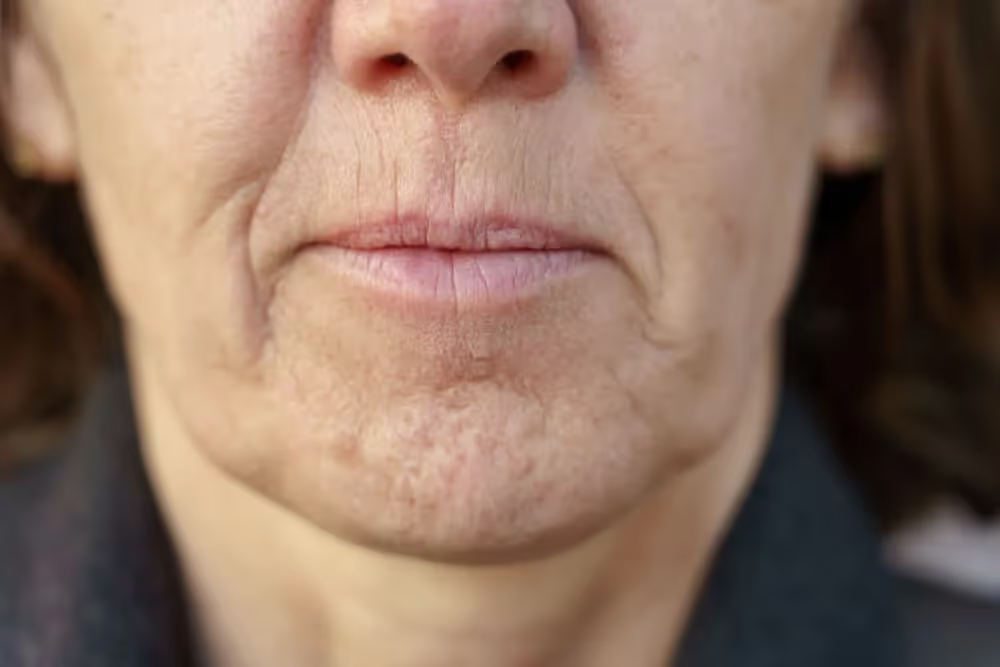
Pebble chin, also known as dimpled chin, cobblestone chin or orange peel chin, refers to a bumpy, puckered or uneven texture on the chin.
It often becomes more noticeable when speaking, smiling, concentrating or moving the lower face. For some people, chin dimpling is present from a younger age. For others, it develops gradually as facial muscles become more active and skin elasticity changes with age.
The chin is strongly influenced by a small facial muscle called the mentalis muscle. When this muscle contracts too strongly or too often, it can pull on the skin and create small dimples, creases or a pebbled appearance.
Pebble chin is not medically harmful, but it can affect facial balance, lower-face smoothness and confidence, especially if the chin looks tense, uneven or older than the rest of the face.
Understanding what causes pebble chin can help you choose the most suitable treatment approach.
What Causes Pebble Chin?
Pebble chin is most commonly caused by overactivity of the mentalis muscle, the muscle that sits in the chin and helps control lower lip and chin movement.
When the mentalis muscle contracts repeatedly, it can pull the skin inward and create dimpling, puckering or an “orange peel” texture. Competitor and clinic pages consistently identify mentalis muscle activity as the key cause of chin pebbling.
Common causes and contributing factors include:
- Overactive mentalis muscle
- Repeated chin movement during speech or expression
- Natural ageing
- Reduced collagen and elastin
- Loss of lower-face volume
- Genetics
- Skin thinning
- Lower-face tension
- Facial asymmetry
- Previous acne scarring or pitted texture in some cases
In many cases, pebble chin becomes more visible with age because the skin loses elasticity and becomes less able to smooth out after repeated movement.
Dynamic vs Static Chin Dimpling
Pebble chin can be dynamic, static or a combination of both.
Dynamic Chin Dimpling
Dynamic chin dimpling appears when the chin muscle moves. It may show when speaking, smiling, frowning, concentrating or lifting the lower lip.
This type is usually linked strongly to muscle activity and may respond well to treatment that relaxes the mentalis muscle.
Static Chin Dimpling
Static dimpling is visible even when the face is relaxed. This may be linked with long-term muscle activity, collagen loss, skin thinning, volume loss or underlying skin texture changes.
Static dimpling may need a more tailored treatment plan depending on the cause.
Common Signs of Pebble Chin
Pebble chin can vary from mild texture changes to more noticeable dimpling across the chin.
Common signs include:
- Dimpled chin texture
- Small bumps or indentations
- Puckering across the chin
- Orange peel appearance
- Chin creasing when speaking
- Chin tightness or tension
- Uneven lower-face texture
- Chin dimpling visible at rest
- Chin looking shortened or pulled upward
Some people only notice pebble chin in photos or videos, while others see it more clearly when talking, smiling or under bright lighting.
How Pebble Chin Can Affect Facial Appearance
Although pebble chin is harmless, it can affect the overall balance and smoothness of the lower face.
Common concerns include:
- Chin looking tense or puckered
- Uneven lower-face texture
- Less smooth facial profile
- Chin appearing aged or strained
- Reduced confidence in photos
- Makeup settling into chin texture
- Lower-face asymmetry
For many people, treatment is not about changing facial identity. The aim is usually to soften visible dimpling and create a smoother, more relaxed chin while keeping natural expression.
Who Is Most Likely to Develop Pebble Chin?
- You have strong chin muscle movement
- You often tense the lower face
- Chin dimpling runs in the family
- You have reduced skin elasticity
- You have lower-face volume loss
- You notice chin puckering when speaking or smiling
- You have previous acne scarring or chin texture irregularities
When Should You Seek Professional Treatment?
- Chin dimpling is visible when speaking or smiling
- The chin looks puckered or tense
- Chin texture is visible at rest
- You feel the lower face looks uneven
- Makeup settles into chin texture
- You want a non-surgical smoothing option
- You are unsure whether the concern is muscle-related or skin-related
Pebble Chin Treatment Options in the UK
Anti-Wrinkle Injections for Pebble Chin
- Soften chin dimpling
- Reduce orange peel texture
- Relax an overactive mentalis muscle
- Smooth puckering during expression
- Improve lower-face balance
- Reduce a tense-looking chin
Dermal Fillers for Chin Contouring
- Chin contour
- Lower-face balance
- Mild volume loss
- Facial profile
- Chin projection where suitable
Speak to an Aesthetic Specialist
Frequently Asked Questions About Pebble Chin
What is pebble chin?
Pebble chin is a dimpled, puckered or uneven texture on the chin, often caused by overactivity of the mentalis muscle.
What causes pebble chin?
Pebble chin is commonly caused by repeated contraction of the mentalis muscle, ageing, reduced skin elasticity, genetics or lower-face volume changes.
Is pebble chin the same as orange peel chin?
Yes, pebble chin is often also called orange peel chin, cobblestone chin, dimpled chin or peau d’orange chin.
Can Botox help pebble chin?
Botox or anti-wrinkle injections may help relax the mentalis muscle and reduce the dimpled or puckered appearance of the chin.
How long does pebble chin treatment last?
Results vary between individuals, but Botox treatment for chin dimpling commonly lasts around 3 to 6 months.
Will pebble chin treatment affect my smile?
Can dermal fillers help pebble chin?
Dermal fillers may help if chin dimpling is linked with volume loss or lower-face contour concerns, but muscle-related pebbling is usually treated with anti-wrinkle injections.
Is pebble chin treatment painful?
Most people find treatment quick and only mildly uncomfortable, with small injections placed precisely into the chin area.
When will I see results after pebble chin treatment?
Results from anti-wrinkle injections usually begin to appear within a few days, with full results often developing within around two weeks.
When should I seek professional advice for pebble chin?
Professional advice may help if chin dimpling is visible at rest, appears during speech or expression, or affects lower-face balance and confidence.