
What Is Melasma?
Melasma is a common pigmentation condition that causes brown, grey-brown or darker patches to appear on the skin. It most often affects the face, especially the cheeks, forehead, nose, upper lip and jawline.
Melasma develops when the skin produces too much melanin in certain areas. Melanin is the natural pigment responsible for skin, hair and eye colour. When pigment production becomes overactive, uneven patches of discolouration can appear.
The condition is often linked with hormonal changes, sun exposure and heat. It is more common in women and may appear during pregnancy, while using hormonal contraception or during periods of hormonal fluctuation.
Melasma is not harmful or contagious, but it can be persistent and may affect confidence, especially when it appears on visible areas of the face. Because melasma can return or darken if triggers are not managed, treatment usually focuses on both reducing existing pigmentation and preventing recurrence.
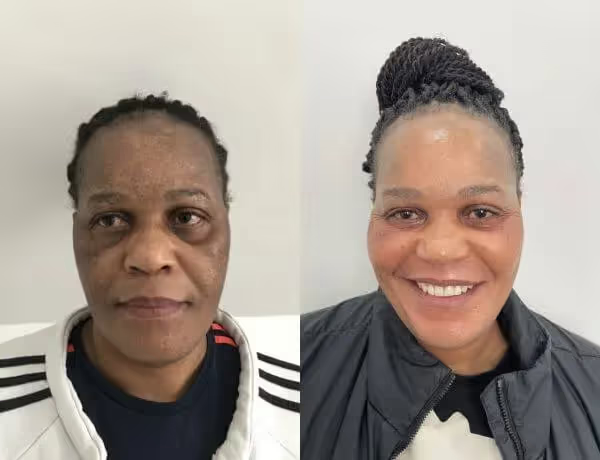
What Causes Melasma?
Melasma develops when pigment-producing cells in the skin, known as melanocytes, produce too much melanin in certain areas.
The exact cause can vary, but melasma is commonly linked with a combination of hormonal, genetic and environmental triggers.
Common causes and contributing factors include:
- Hormonal changes
- Pregnancy
- Hormonal contraception
- Menopause-related hormonal shifts
- Sun exposure
- Heat exposure
- Genetics and family history
- Inflammation in the skin
- Certain medications
- Skin irritation from unsuitable products
- Darker or olive skin tones being more prone to pigmentation
Sunlight is one of the biggest triggers for melasma. Even small amounts of UV exposure can make patches darker or cause pigmentation to return after treatment. Heat may also worsen melasma in some people, which is why careful aftercare and daily SPF are important.
Types of Melasma
Melasma can affect different depths of the skin. Understanding the type can help guide treatment planning.
Epidermal Melasma
Epidermal melasma affects the upper layers of the skin. It often appears as brown pigmentation and may respond more quickly to treatment than deeper pigmentation.
Dermal Melasma
Dermal melasma affects deeper layers of the skin. It may appear grey-brown or bluish-grey and can be more difficult to treat.
Mixed Melasma
Mixed melasma includes both epidermal and dermal pigmentation. This is common and may require a longer-term treatment and maintenance approach.
Hormonal Melasma
Hormonal melasma is linked with pregnancy, contraception, hormone therapy or other hormonal changes. It often appears on the cheeks, forehead, upper lip or jawline.
Common Symptoms of Melasma
Melasma usually appears as flat areas of darker pigmentation rather than raised or textured skin.
Common signs include:
- Brown or grey-brown patches
- Uneven pigmentation on the face
- Symmetrical pigmentation on both sides of the face
- Dark patches on the cheeks
- Pigmentation on the upper lip
- Patches on the forehead, nose or jawline
- Pigmentation that becomes darker after sun exposure
- Recurring pigmentation after treatment or summer months
Melasma does not usually cause itching, pain or discomfort. If a patch changes shape, bleeds, becomes raised or looks unusual, it should be checked by a GP or dermatologist before cosmetic treatment.
How Melasma Can Affect the Skin
Melasma mainly affects skin tone rather than skin texture. The skin usually feels normal, but pigmentation can become more noticeable over time.
Common concerns include:
- Uneven skin tone
- Brown or grey-brown facial patches
- Dark upper lip pigmentation
- Pigmentation that returns after treatment
- Pigmentation that worsens in summer
- Reduced confidence without makeup
- Difficulty finding skincare that helps
Because melasma can be recurring, treatment should be realistic and maintenance-focused rather than treated as a one-off quick fix.
How to Help Prevent Melasma Getting Worse
Prevention and maintenance are essential for melasma management.
Helpful steps include:
- Wearing broad-spectrum SPF every day
- Reapplying SPF during sun exposure
- Wearing a wide-brimmed hat in strong sunlight
- Avoiding tanning beds
- Reducing heat exposure where possible
- Avoiding harsh exfoliation
- Not picking or irritating the skin
- Using pigment-safe skincare
- Following professional aftercare after treatments
- Continuing maintenance skincare if advised
No sunscreen gives complete protection, so SPF should be used alongside shade, hats and sensible sun avoidance.
When Should You Seek Professional Treatment?
Professional assessment may help if melasma is persistent, recurring or affecting your confidence.
You may wish to seek treatment if:
- Pigmentation is becoming darker
- Melasma keeps returning
- Dark patches are affecting confidence
- Skincare products are not helping
- Pigmentation worsens after sun exposure
- You are unsure whether the pigmentation is melasma
- You want a treatment plan suitable for your skin type
- You have tried treatments before but pigmentation has returned
Book a consultation with Este Medical Group to understand your melasma type and explore suitable treatment options.
Melasma Treatment Options in the UK
Professional treatment may help:
- Reduce visible dark patches
- Improve skin clarity
- Brighten uneven areas
- Support long-term pigmentation control
Cosmelan Depigmentation Peel
The Cosmelan peel is a professional depigmentation treatment designed to reduce excess melanin production. It works by inhibiting the enzyme responsible for pigment formation and encouraging skin renewal.
Cosmelan may be suitable for:
- Hormonal melasma
- Stubborn facial pigmentation
- Pregnancy-related pigmentation (post-pregnancy treatment)
Treatment typically involves an in-clinic application followed by a prescribed homecare protocol to maintain results.
Pixel Laser Resurfacing
Pixel laser resurfacing uses controlled laser energy to target pigmented areas and stimulate skin regeneration. This helps break down excess pigment and promote new, healthier skin cells.
Laser treatment may be recommended for:
- Persistent melasma
- Deeper pigmentation
- Uneven skin tone
Multiple sessions may be required depending on pigmentation depth.
HydraFacial for Skin Brightening
HydraFacial is a non-invasive treatment that deeply cleanses, exfoliates and hydrates the skin. While not a primary melasma treatment, it can support overall skin clarity and enhance brightness when used alongside pigmentation therapies.
Skin Pigmentation Treatment
- Melasma
- Hyperpigmentation
- Sun-related pigmentation
- Post-inflammatory pigmentation
- Uneven facial pigmentation
Speak to a Melasma Specialist
Frequently Asked Questions About Melasma
What is melasma?
Melasma is a pigmentation condition that causes brown, grey-brown or darker patches to appear on the skin, most commonly on the face.
What causes melasma?
Melasma is commonly linked to hormonal changes, pregnancy, contraception, sun exposure, heat, genetics and overactive melanin production.
Is melasma the same as hyperpigmentation?
Melasma is a type of hyperpigmentation, but it is usually more strongly linked with hormonal triggers and recurring facial pigmentation.
Can melasma go away on its own?
Melasma may fade in some cases, especially after pregnancy or hormonal changes, but it can also persist or return without ongoing management.
What is the best treatment for melasma?
The best treatment depends on skin type, pigmentation depth and triggers. Options may include Cosmelan, pigmentation treatment, professional skincare and selected laser treatment.
Can Cosmelan help melasma?
Cosmelan may help reduce the appearance of melasma by targeting excess pigment production and supporting skin renewal.
Can laser treatment help melasma?
Laser treatment may help selected pigmentation cases, but melasma must be assessed carefully because unsuitable treatment may worsen pigmentation.
Can melasma come back after treatment?
Yes, melasma can return, especially if triggers such as sun exposure, heat or hormonal factors are not managed.
How can I stop melasma getting worse?
Daily SPF, sun protection, avoiding tanning beds, reducing heat exposure and following professional skincare advice may help reduce worsening or recurrence.
When should I seek professional advice for melasma?
Professional advice may help if pigmentation is persistent, recurring, worsening, affecting confidence or not improving with skincare.