
What Is Loose Skin?
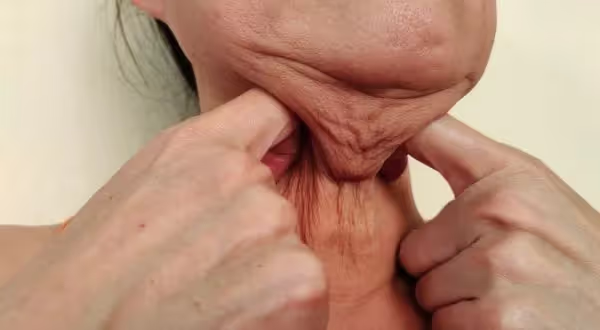
Loose skin, also known as skin laxity, refers to skin that has lost firmness, elasticity or tightness. It can appear on the face or body and is often seen after weight loss, pregnancy or as part of the natural ageing process.
The skin is supported by collagen, elastin and hyaluronic acid. These help keep the skin firm, flexible and hydrated. Over time, these natural support structures can weaken, making the skin appear looser, thinner or less toned.
Loose skin can develop on areas such as the face, jawline, neck, arms, abdomen, thighs and knees. For some people, it is mild and mainly affects skin texture. For others, it may be more noticeable and affect confidence.
Understanding what causes loose skin is important before choosing a treatment approach, as mild to moderate laxity may respond well to non-surgical skin tightening, while more severe loose skin may need surgical assessment.
What Causes Loose Skin?
Loose skin can develop for several reasons. It usually happens when the skin has been stretched or when the skin’s natural collagen and elastin support begins to reduce.
Common causes include:
- Natural ageing
- Reduced collagen and elastin production
- Significant or rapid weight loss
- Pregnancy and postpartum skin changes
- Sun damage
- Genetics
- Smoking
- Repeated weight fluctuations
- Loss of facial volume
- Reduced skin hydration and elasticity
As collagen and elastin decline, the skin may become less able to “spring back”. This can lead to sagging, crepey texture or reduced firmness in areas such as the abdomen, upper arms, thighs, neck and jawline.
Common Areas Affected by Loose Skin
Loose skin can appear almost anywhere on the body, but some areas are more commonly affected.
These include:
- Face
- Jawline
- Neck
- Upper arms
- Abdomen
- Thighs
- Knees
- Stomach after pregnancy
- Areas affected by weight loss
Facial loose skin is often linked with ageing and collagen loss, while body laxity is commonly associated with pregnancy, weight loss or changes in body composition.
How Loose Skin Can Affect the Skin
Loose skin may affect skin firmness, texture and overall appearance.
Common concerns include:
- Sagging skin
- Reduced firmness
- Crepey skin texture
- Loss of definition around the jawline
- Loose skin on the stomach
- Skin laxity after weight loss
- Reduced skin tone
- Wrinkling or folding in some areas
Loose skin can also affect how comfortable someone feels in fitted clothing or when showing areas such as the arms, abdomen or neck.
Can Loose Skin Tighten Naturally?
Mild loose skin may improve slightly over time, especially if the skin still has good elasticity. Lifestyle factors such as strength training, hydration, a balanced diet, sun protection and avoiding smoking may help support skin quality.
However, once skin laxity is more noticeable, especially after major weight loss, pregnancy or significant collagen loss, natural improvement may be limited.
Non-surgical skin tightening treatments may help improve mild to moderate laxity by stimulating collagen and elastin production. Severe excess skin may require surgical advice.
When Should You Seek Professional Support?
Professional assessment may help if loose skin is becoming more noticeable or if you are unsure which treatment option is right for your skin.
You may wish to seek professional support if:
- Loose skin has developed after weight loss
- Skin feels less firm after pregnancy
- The jawline or neck has started to sag
- Skin laxity affects confidence
- You want non-surgical skin tightening options
A consultation can help determine whether non-surgical skin tightening is suitable or whether another treatment pathway may be more appropriate.
Loose Skin Treatment Options in the UK
Loose skin treatment focuses on improving firmness, supporting collagen production and reducing the visible appearance of skin laxity.
The most suitable option depends on:
- The area being treated
- Severity of loose skin
- Skin thickness
- Age and skin quality
- Whether laxity is caused by weight loss, ageing or pregnancy
- Treatment goals
- Whether face or body tightening is needed
At Este Medical Group, loose skin concerns may be supported with non-surgical skin tightening technologies and personalised treatment planning.
Skin Tightening Treatments
Professional skin tightening treatments are designed to help improve firmness and support collagen renewal without surgery.
These treatments may be suitable for:
- Mild to moderate loose skin
- Skin laxity on the face or body
- Jawline and neck firmness
- Post-weight-loss skin laxity
- Loose skin after pregnancy
- Areas where skin appears less toned
HIFU (High-Intensity Focused Ultrasound)
HIFU or High-Intensity Focused Ultrasound, uses focused ultrasound energy to target deeper layers of the skin. This helps stimulate the body’s natural collagen response and may improve firmness gradually over time.
HIFU may be especially useful for:
- Jawline laxity
- Neck tightening
- Lower face firming
- Mild facial sagging
- Non-surgical lifting support
RF Microneedling
- Moderate skin laxity
- Texture improvement
- Areas with both laxity and superficial skin concerns
Body Contouring
For some people, loose skin appears alongside stubborn fat or body contour changes. In these cases, a consultation may help determine whether body contouring, skin tightening or a combined approach is most suitable.
Book a consultation with Este Medical Group to discuss your loose skin concerns and explore suitable skin tightening options.
Frequently Asked Questions About Loose Skin
What is loose skin?
What causes loose skin?
Can loose skin tighten naturally?
Can loose skin be tightened without surgery?
What is the best treatment for loose skin?
Can skin tightening help after weight loss?
Is HIFU good for loose skin?
HIFU may help tighten and lift mild to moderate loose skin by stimulating collagen production in deeper skin layers.
How many sessions are needed for loose skin treatment?
The number of sessions depends on the treatment type, area being treated and severity of skin laxity.
Is loose skin treatment painful?
Most non-surgical skin tightening treatments are well tolerated, although warmth, tingling or mild sensitivity may occur depending on the treatment used.
When should I consider surgery for loose skin?
Surgery may be more appropriate for severe excess skin, especially after major weight loss, where non-surgical treatments may offer limited improvement.