
What Are Ingrown Hairs?
Ingrown hairs occur when a hair grows back into the skin instead of growing outward from the follicle normally. This can lead to inflammation, redness, irritation and small raised bumps on the skin.
Ingrown hairs commonly develop after shaving, waxing, plucking or other hair removal methods, especially in areas such as the beard, neck, legs, underarms and bikini line.
Although mild ingrown hairs may improve naturally, persistent or recurring ingrown hairs can sometimes contribute to skin irritation, post-inflammatory pigmentation, follicle inflammation and scarring.
People with curly or coarse hair types are often more prone to ingrown hairs because the hair naturally curves back towards the skin during regrowth.
Understanding the causes, symptoms and treatment options for ingrown hairs may help reduce irritation and support healthier-looking skin over time.
What Causes Ingrown Hairs?
Ingrown hairs develop when hairs become trapped beneath the surface of the skin instead of growing outward normally.
This commonly happens after hair removal methods that alter the direction of hair growth or irritate the follicle.
Common causes and contributing factors include:
- Shaving too closely to the skin
- Curly or coarse hair types
- Frequent waxing or plucking
- Blocked hair follicles
- Dead skin cell build-up
- Friction from tight clothing
- Inflammation after shaving
- Incorrect shaving techniques
Repeated irritation may increase inflammation around the follicle, making ingrown hairs more likely to recur in the same areas.
Common Symptoms of Ingrown Hairs
Symptoms can vary depending on the severity of inflammation and the area affected.
Common signs of ingrown hairs include:
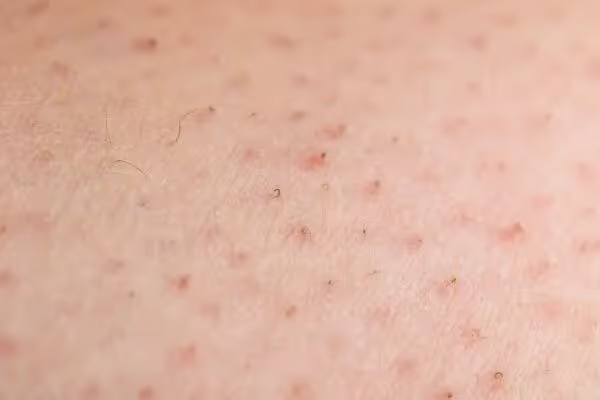
- Small raised bumps
- Redness and inflammation
- Tender or painful spots
- Itching around hair follicles
- Trapped hairs beneath the skin
- Razor bumps
- Dark marks or pigmentation
- Pus-filled bumps in more inflamed cases
Some individuals may also develop post-inflammatory hyperpigmentation or skin texture changes after repeated irritation.
Areas Commonly Affected
Ingrown hairs can develop anywhere hair is removed regularly.
Commonly affected areas include:
- Beard and neck area
- Underarms
- Legs
- Bikini line
- Chest
- Back
- Face
Men often experience ingrown hairs around the beard and neck after shaving, while women commonly develop them on the legs or bikini area following waxing or hair removal.
How Ingrown Hairs Can Affect the Skin
Although ingrown hairs are often considered a minor skin concern, ongoing inflammation can affect both skin comfort and appearance.
Possible concerns associated with recurrent ingrown hairs include:
- Skin irritation
- Redness and swelling
- Post-inflammatory pigmentation
- Uneven skin texture
- Folliculitis
- Shaving bumps
- Scarring in severe cases
For some individuals, recurrent ingrown hairs become an ongoing skin concern requiring professional treatment and long-term hair reduction strategies.
How to Help Prevent Ingrown Hairs
Simple skincare and shaving adjustments may help reduce the likelihood of ingrown hairs developing.
Helpful prevention tips include:
- Shaving in the direction of hair growth
- Avoiding shaving too closely to the skin
- Using a clean, sharp razor
- Exfoliating regularly to remove dead skin cells
- Avoiding excessive friction on affected areas
- Using shaving creams or gels to reduce irritation
- Avoiding picking or squeezing ingrown hairs
Individuals with persistent ingrown hairs may benefit from long-term hair reduction treatments.
When Should You Seek Professional Treatment?
Professional assessment may help if ingrown hairs become persistent, painful or begin affecting the appearance of the skin.
You may wish to seek professional treatment if:
- Ingrown hairs repeatedly return
- Skin becomes inflamed or painful
- Dark marks or pigmentation develop
- Scarring begins to appear
- Shaving becomes uncomfortable
- Large areas are consistently affected
- Home remedies are not improving the condition
Early treatment may help reduce ongoing irritation and minimise long-term skin changes
Ingrown Hair Treatment Options in the UK
Treatment approaches for ingrown hairs focus on reducing inflammation, preventing hairs from becoming trapped beneath the skin and improving overall skin texture.
Treatment recommendations depend on:
- the severity of the condition
- hair type
- skin sensitivity
- recurrence frequency
- pigmentation or scarring concerns
Laser Hair Removal
- Recurring ingrown hairs
- Shaving irritation
- Razor bumps
- Follicle inflammation
- Hair regrowth that becomes trapped beneath the skin
Chemical Peels
Chemical peels may help exfoliate dead skin cells and reduce congestion around hair follicles, helping improve skin texture and pigmentation caused by recurring ingrown hairs.
Professional Skin Consultation
Professional assessment may help determine:
- suitable treatment options
- skin sensitivity considerations
- hair removal methods
- prevention strategies
Speak to a Skin Specialist
Laser Hair Removal Clinic Locations
FAQ's
What are ingrown hairs?
Ingrown hairs occur when hairs grow back into the skin instead of growing outward normally.
What causes ingrown hairs?
Ingrown hairs are commonly caused by shaving, waxing, blocked follicles and curly or coarse hair types.
Are ingrown hairs common after shaving?
Yes, shaving too closely to the skin can increase the risk of hairs curling back into the skin.
Can laser hair removal help ingrown hairs?
Laser hair removal may help reduce recurring ingrown hairs by reducing hair growth directly at the follicle.
Why do ingrown hairs leave dark marks?
Inflammation caused by ingrown hairs can sometimes lead to post-inflammatory pigmentation or dark marks on the skin.
Can ingrown hairs become infected?
In some cases, ingrown hairs may become inflamed or infected, especially if the area is repeatedly irritated.
Which areas are most affected by ingrown hairs?
Common areas include the beard area, neck, legs, underarms and bikini line.
Can chemical peels help ingrown hairs?
Chemical peels may help exfoliate dead skin cells and reduce congestion around hair follicles.
When should I seek professional treatment for ingrown hairs?
Professional assessment may help if ingrown hairs become persistent, painful or begin causing pigmentation or scarring.
Can ingrown hairs cause scarring?
Repeated inflammation or picking at ingrown hairs may increase the risk of scarring in some individuals.