
What Is Hyperpigmentation?
Hyperpigmentation is a common skin concern where certain areas of the skin become darker than the surrounding skin. This happens when the skin produces excess melanin, the natural pigment responsible for skin, hair and eye colour.
It can appear as dark patches, brown spots, uneven skin tone or marks left behind after acne, inflammation or injury. Hyperpigmentation can affect all skin types and may appear on the face, neck, chest, hands, shoulders and other sun-exposed areas.
Although hyperpigmentation is usually harmless, it can affect confidence, especially when pigmentation appears on visible areas of the face. Understanding the type and cause of pigmentation is important before choosing the right treatment approach.
At Este Medical Group, pigmentation concerns are assessed individually so treatment can be matched to the depth, cause and sensitivity of the skin.
Types of Hyperpigmentation
Age Spots / Sun Spots
Age spots, also known as sun spots or solar lentigines, are caused by long-term sun exposure. They commonly appear on the face, hands, shoulders, chest and other areas regularly exposed to UV light.
Melasma
Melasma is a hormonal form of pigmentation that often appears as symmetrical brown or grey-brown patches on the cheeks, forehead, upper lip or jawline. It may be triggered by pregnancy, hormonal medication, heat or sun exposure.
Post-Inflammatory Hyperpigmentation
Post-inflammatory hyperpigmentation, often called PIH, develops after skin inflammation or injury. It can appear after acne, eczema flare-ups, cuts, burns, rashes or cosmetic irritation.
Acne Pigmentation
Acne pigmentation refers to dark marks left behind after breakouts. These marks are not the same as acne scars, although both can appear together.
Sun Damage Pigmentation
Sun damage pigmentation develops gradually over time due to repeated UV exposure. It may appear as uneven tone, freckling, dark patches or age spots.What Causes Hyperpigmentation?
Hyperpigmentation develops when melanocytes, the pigment-producing cells in the skin, produce more melanin than usual in certain areas.
This can happen for several reasons, including sun exposure, hormonal changes, inflammation or skin trauma.
Common causes include:
- Sun exposure
- Hormonal changes
- Melasma
- Acne marks
- Post-inflammatory pigmentation
- Skin injury or trauma
- Ageing
- Certain medications
- Inflammation from eczema or other skin conditions
- Picking or squeezing blemishes
Sun exposure is one of the most common triggers because UV rays stimulate melanin production. Without daily sun protection, existing pigmentation may become darker or return after treatment.
Common Symptoms of Hyperpigmentation
Hyperpigmentation symptoms can vary depending on the type, depth and cause of pigmentation.
Common signs include:
- Dark patches on the skin
- Brown or grey-brown marks
- Uneven skin tone
- Dark spots after acne
- Pigmentation on the cheeks, forehead or upper lip
- Sun spots on the face, hands or chest
- Dark marks after inflammation or injury
- Patchy skin discolouration
Pigmentation may be superficial or deeper within the skin. Deeper pigmentation can be more stubborn and may require a longer treatment plan.
How Hyperpigmentation Can Affect the Skin
Hyperpigmentation mainly affects skin tone and colour, but it can also affect confidence and how even the skin appears.
Possible concerns include:
- Uneven complexion
- Dark patches on visible areas
- Marks left after acne
- Sun-related dark spots
- Patchy pigmentation
- Dull or uneven skin appearance
- Reduced confidence without makeup
For some people, pigmentation becomes more noticeable during summer or after sun exposure. Others may find pigmentation returns if the underlying trigger is not controlled.
How to Help Prevent Hyperpigmentation
Prevention is an important part of managing hyperpigmentation, especially because UV exposure can darken existing pigmentation and trigger recurrence.
Helpful prevention steps include:
- Wearing broad-spectrum SPF every day
- Reapplying sunscreen during sun exposure
- Avoiding excessive heat and direct sunlight
- Not picking acne or scabs
- Treating inflammation early
- Using skincare suitable for your skin type
- Avoiding harsh exfoliation
- Following aftercare advice after professional treatments
For melasma and sun-related pigmentation, consistent SPF is especially important.
When Should You Seek Professional Treatment?
Professional assessment may help if pigmentation is persistent, spreading, becoming darker or not improving with skincare.
You may wish to seek professional treatment if:
- Dark patches are affecting confidence
- Pigmentation remains after acne or inflammation
- Sun spots or age spots are becoming more visible
- Melasma is recurring
- Over-the-counter products are not helping
- Pigmentation appears uneven or patchy
- You are unsure what type of pigmentation you have
- You want a treatment plan suited to your skin type
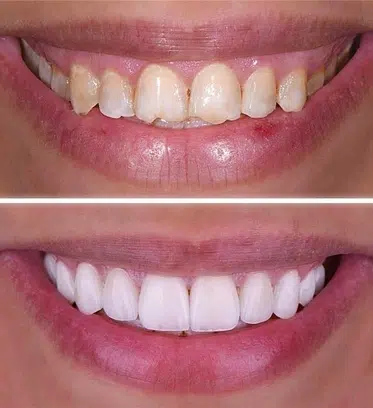
Real Hyperpigmentation Treatment Results

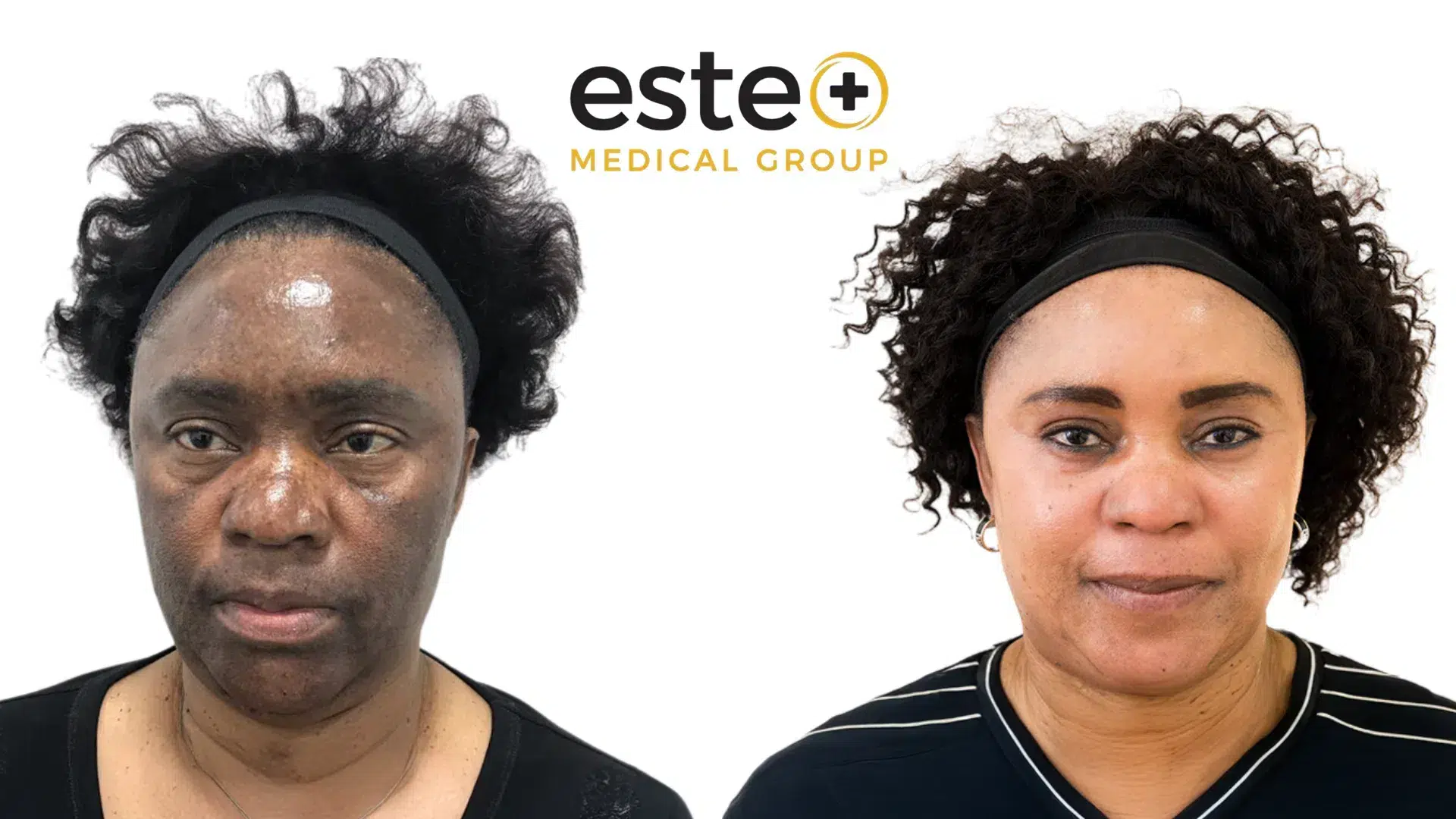
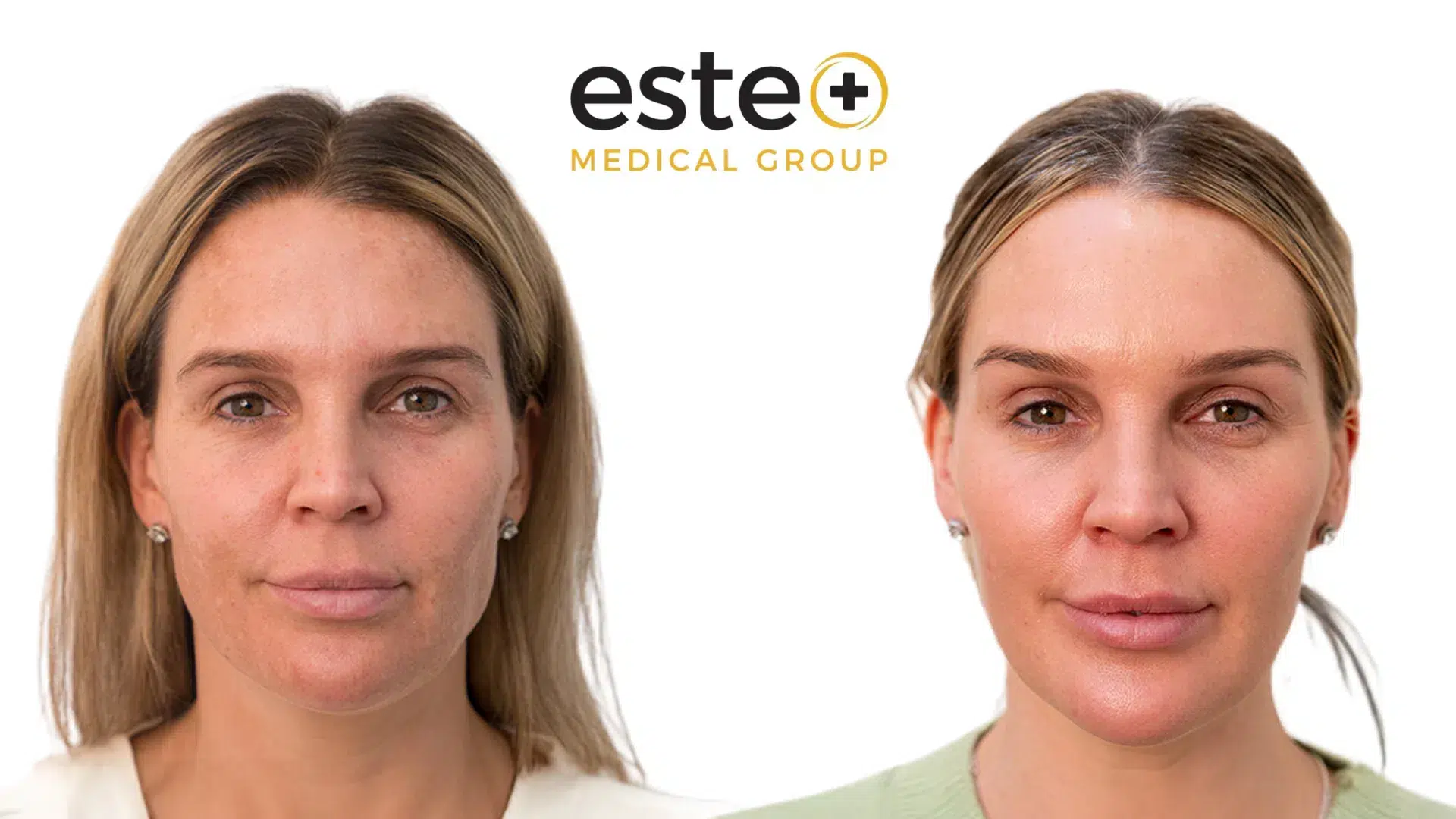
Book a consultation with Este Medical Group to understand your pigmentation type and explore suitable treatment options.
Hyperpigmentation Treatment Options in the UK
Hyperpigmentation treatment focuses on reducing excess pigment, promoting skin renewal and restoring a more even complexion. The most suitable treatment depends on the type of pigmentation, its depth within the skin and individual skin sensitivity.
Professional treatment may help:
- Break down excess melanin
- Improve overall skin tone
- Reduce visible dark patches
- Stimulate collagen production
- Prevent further pigment accumulation
Laser Pigmentation Treatment
- Age spots
- Sun damage
- Stubborn dark patches
- Certain types of post-inflammatory hyperpigmentation
Chemical Peels
- Superficial pigmentation
- Uneven skin tone
- Mild to moderate discolouration
Microneedling & Skin Rejuvenation
Pigmentation Clinic Locations
At Este Medical Group, our team provides personalised skin assessments and tailored treatment recommendations based on individual skin concerns and goals.
Speak to a Skin Specialist
Frequently Asked Questions About Hyperpigmentation
What is hyperpigmentation?
Hyperpigmentation is when certain areas of the skin become darker than the surrounding skin due to excess melanin production.
What causes hyperpigmentation?
Hyperpigmentation may be caused by sun exposure, hormonal changes, acne, inflammation, skin injury, ageing or certain medications.
What are the main types of hyperpigmentation?
The main types include age spots, melasma, post-inflammatory hyperpigmentation, acne pigmentation and sun damage pigmentation.
Can hyperpigmentation be permanently removed?
Some types of hyperpigmentation can be significantly reduced, but recurrence may happen if triggers such as sun exposure, hormones or inflammation continue.
Does laser treatment help hyperpigmentation?
Laser treatment may help reduce selected types of hyperpigmentation by targeting excess pigment within the skin.
Can chemical peels help dark patches?
Chemical peels may help improve superficial pigmentation by exfoliating the skin and supporting new, more even skin renewal.