
What Is Eczema?
Eczema is a common inflammatory skin condition that can cause dry, itchy, red, cracked or irritated skin. It can affect people of all ages and may appear as mild dryness or more persistent flare-ups that affect comfort, sleep and confidence.
The condition is often linked to a weakened skin barrier. When the skin barrier is not working as well as it should, irritants, allergens and environmental triggers can make the skin more reactive. This can lead to itching, inflammation and repeated flare-ups.
Eczema is not contagious, but it can be long-term and may need ongoing management. Some people experience occasional flare-ups, while others live with more persistent symptoms that require professional support.
Understanding the causes, triggers and different types of eczema can help you choose the right approach for calming the skin and reducing future flare-ups.
Types of Eczema
There are several types of eczema, and each can behave slightly differently.
Atopic Eczema
Atopic eczema is one of the most common types. It often starts in childhood but can continue into adulthood. It is commonly linked with dry, itchy and inflamed skin.
Contact Dermatitis
Contact dermatitis happens when the skin reacts to something it touches. This may be an irritant, such as harsh soap, or an allergen, such as fragrance, nickel or certain preservatives.
Dyshidrotic Eczema
Dyshidrotic eczema usually affects the hands and feet. It may cause small itchy blisters, dryness and cracking.
Nummular Eczema
Nummular eczema causes round or coin-shaped patches of irritated skin. These patches can become dry, itchy, inflamed or scaly.
Seborrhoeic Dermatitis
Seborrhoeic dermatitis commonly affects oily areas such as the scalp, face and chest. It may cause flaking, redness, itching and irritation.
Neurodermatitis
Neurodermatitis is linked to repeated itching and scratching. Over time, the skin may become thickened, rough or darker in the affected area.
Stasis Dermatitis
Stasis dermatitis is often linked to poor circulation, usually in the lower legs. It can cause swelling, dryness, itching and skin discolouration.
What Causes Eczema?
Eczema usually develops due to a combination of genetic, immune and environmental factors. Many people with eczema have a sensitive skin barrier, which makes the skin more likely to lose moisture and react to triggers.
Common causes and contributing factors include:
- A weakened skin barrier
- Genetics and family history
- Immune system sensitivity
- Allergens
- Harsh soaps or skincare products
- Stress
- Cold or dry weather
- Hormonal changes
- Skin infections
- Friction or irritation from clothing
Eczema can look different from person to person. For some, flare-ups are seasonal. For others, symptoms may be linked to stress, skincare products, allergies or changes in temperature.
Common Symptoms of Eczema
Eczema symptoms can vary depending on the type of eczema, the area affected and the severity of inflammation.
Common symptoms include:
- Dry skin
- Itching
- Redness
- Cracked or rough skin
- Inflamed patches
- Flaking or scaling
- Skin sensitivity
- Weeping or crusting in more severe cases
- Thickened skin caused by repeated scratching
- Changes in pigmentation after a flare-up
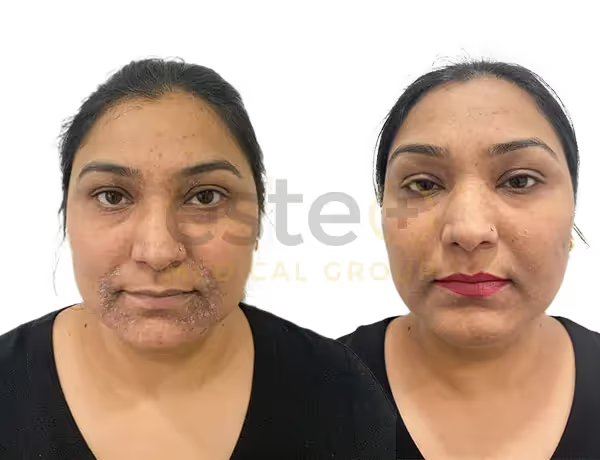
On darker skin tones, eczema may appear as darker brown, purple, grey or lighter patches rather than bright redness. This is important because eczema can sometimes be harder to recognise in melanin-rich skin.
How Eczema Can Affect the Skin
Eczema can affect more than the surface appearance of the skin. Repeated flare-ups may cause ongoing discomfort and changes in skin texture.
Possible effects include:
- Persistent dryness
- Itching and broken skin
- Redness or inflammation
- Increased skin sensitivity
- Thickened skin from scratching
- Post-inflammatory pigmentation
- Sleep disturbance due to itching
- Reduced confidence during visible flare-ups
If eczema is scratched repeatedly, the skin barrier may become weaker, making further flare-ups more likely.
When Should You Seek Professional Support?
Professional support may help if eczema is persistent, painful, spreading or not responding well to over-the-counter skincare.
You may wish to seek professional advice if:
- Eczema keeps returning
- Itching affects sleep
- Skin becomes cracked, sore or weeping
- Flare-ups affect visible areas such as the face, neck or hands
- Over-the-counter creams are not helping
- Skin becomes infected
- Eczema affects confidence or quality of life
- You want to explore light-based eczema treatment options
Early support may help calm inflammation, protect the skin barrier and reduce the frequency of future flare-ups.
Book a consultation with Este Medical Group to discuss your eczema symptoms and explore suitable treatment support options.
Eczema Treatment Options in the UK
Eczema treatment focuses on calming inflammation, restoring the skin barrier and reducing the frequency and severity of flare-ups. The most appropriate treatment depends on the type of eczema, its severity and how your skin responds to therapy.
Professional treatment may help:
- Reduce itching and redness
- Calm inflamed skin
- Strengthen the skin barrier
- Improve skin texture and comfort
- Minimise long-term flare-ups
Exciplex Light Therapy
Exciplex light therapy delivers targeted UV light to inflamed areas of the skin. This helps reduce inflammation and regulate immune activity in the affected region without exposing surrounding healthy skin.
Light therapy may be particularly suitable for:
- Localised eczema patches
- Persistent areas that do not respond to topical treatment
- Moderate to severe eczema
Treatment is delivered in controlled sessions over several weeks, depending on individual response.
LED Phototherapy
LED phototherapy uses specific wavelengths of light to calm irritated skin and reduce inflammation. It is a non-invasive treatment option that can support overall skin recovery.
LED therapy may help:
- Reduce redness
- Improve hydration
- Promote skin healing
- Support maintenance between flare-ups
A personalised consultation determines whether light-based therapy is suitable for your condition.
How Much Does Eczema Treatment Cost in the UK?
The cost of eczema treatment in the UK varies depending on the severity of the condition, the treatment method recommended and the number of sessions required.
Factors that influence pricing include:
- Size and location of affected areas
- Frequency of flare-ups
- Type of light therapy used
- Number of treatment sessions
- Ongoing maintenance requirements
Following a consultation, a personalised treatment plan will outline the recommended course of treatment and associated costs.
Early treatment may help reduce the need for prolonged therapy.
Speak to a Skin Specialist
Frequently Asked Questions About Eczema
What is eczema?
Eczema is an inflammatory skin condition that can cause dryness, itching, redness, cracking and irritation.
What causes eczema?
Is eczema contagious?
What triggers eczema flare-ups?
Can eczema be cured permanently?
Eczema is usually a long-term condition, but symptoms can often be managed with the right treatment approach and skincare routine.