
Este Medical Group

Tips & Advice

How Long Do Veneers Last? Tips From Turkey Experts

How Long Do Veneers Last? Tips From Turkey Experts

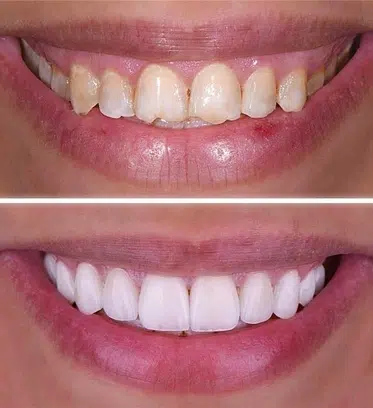
Dental veneers have a long lifespan, and they will last even longer if you properly care for them by investing time in your oral hygiene and following our expert advice about veneers. Have a look at this guide: What You Need To Know Dental Veneers Before and After. ‍What are veneers?You can improve the look of your teeth with cosmetic dentistry in Turkey; one of the best dental treatments for fixing the appearance of teeth are cosmetic dental veneers. Dental veneers are ideal for women and men who are unhappy with the look of: Chipped teethDiscoloured teethTooth gapsGummy smileTooth lengthTooth shape The good news is dental veneers can be customised — you can fix the look of your teeth by having veneers designed to meet your specific goals (whiter teeth, straight teeth, close a tooth gap…). Having veneers is like a smile makeover. Keep reading to find out how long veneers last, plus the difference between porcelain veneers and composite veneers. If you are thinking about having a dental veneers Turkey treatment, we created a guide to help you: How To Find The Best Place To Get Teeth Done In Turkey. Another way to arrange Turkey veneers, dental implants, tooth crowns, or teeth whitening is to send us a message through our website to book a cosmetic dentistry consultation. Take a look at Turkey dental work before-and-after photos on the Este Medical cosmetic dental clinic gallery of dental photos. ‍How long do teeth veneers last? How long veneers last depends on a few factors, from the type of veneer you get, to how you take care of them over time. Additionally, lifestyle, food diet, and dental hygiene all play a role in how long Turkey veneers last. Composite veneers have an average lifespan of 3 to 10 yearsPorcelain veneers on average can last between 10 to 15 yearsA veneer is basically an overlay that can be either a thin ceramic shell or resin-based composite coating that is placed over a tooth. Veneers are a popular cosmetic procedure because they improve the aesthetics of a smile and protect the surface of the tooth from damage. ‍How to make veneers last longerThe following advice will apply to the tooth foundation under the veneer, as well as the veneer itself. For starters, the best way to care for dental veneers is: Maintain high level of oral hygieneGo to the dentist for frequent check-upsUse soft toothbrush bristle and fluoride toothpasteMake flossing part of your daily dental care routinePrevent gum diseaseDon’t chew or bite on hard or sharp objectsAvoid foods and drinks that discolour teethFor optimal oral health don’t smokeFind a way to prevent teeth grindingHave you teeth professional cleanedDental veneers aftercare plan‍What is your concern with your smile? Uneven teeth, spacing, tooth chips, tooth decay, yellow colour…? At Este Medical UK we can help you prepare for a cosmetic dentistry treatment in Turkey. Make an appointment to find out what’s involved with having Turkey veneers. ‍Do I need dental veneers? There are two main types of dental veneers: composite veneers and porcelain veneers. The best way to find out which type is best suited to you is to arrange an Este Medical Group dental consultation. ‍How long do composite veneers last? This type of veneer can be easily fixed and can last up to 10 years. A composite veneer involves a tooth-coloured resin-based composite material applied directly to the teeth. Once the appropriate number of composite layers is applied to each tooth, a special light is used to bond the resin composite to the teeth. The veneers are then smoothed and polished to look like natural teeth. Composite veneers can last from 3-10 years depending on how they are cared for (i.e., lifestyle, diet, oral health all play a part). What is the advantage of resin-based composite? This type of veneer requires very little tooth preparation. If your composite veneers wear out after 8 or 10 years, you can get a replacement set, and compared to porcelain veneers they typically require minimal tooth preparation. ‍How long do porcelain veneers last? Porcelain veneers last a long time, about 10-15 years depending on how you take care of them. These type of veneers are strong and long-lasting, and they don’t stain easily. The treatment involves making a thin porcelain (ceramic) shell that is customised to fit over a tooth. Before a shell (or mould) is created, the teeth being treated need to be prepared by a cosmetic dentist. Typically a small amount of tooth reduction is required (i.e., from the front and sides of a tooth) to make room for the porcelain shell to fit naturally. Once the shell is ready, it is fitted and cemented to the tooth. When porcelain veneers are bonded to your natural teeth, they become as strong as real teeth. ‍How long do Turkey veneers last? Have your veneers done at a reputable dental clinic by experienced dentists and your veneers will last a long time — ten to fifteen years or longer! Este Medical in the UK coordinates tooth treatments with our dental team in Turkey for the most optimal results. Having dental surgery or veneers at our Este Turkey medical clinic includes organisation of your fights, hotel accommodation, airport-hotel-clinic taxi transfers, plus all your Este Medical appointments and dental aftercare. Our UK client Ali chose Este Medical Group in Turkey for dental veneers that dramatically improved his smile and self-confidence. Besides having cosmetic dentistry in Istanbul, Turkey, you can also arrange to have other add-on treatments like our client Joe, who had a hair transplant and cosmetic dentistry at the same time: Birmingham Man Gets New Hair & Teeth in Turkey! ‍Choose Este Medical For Dental Work In TurkeyLet us continue the conversation about how long do veneers last UK client testimonials can also be shared to help you make a more informed decision about getting Turkey veneers. Check out our Este Medical 5-star rating on Trustpilot; our clients love sharing their Turkey treatments and their Este experience!

How Long Do Veneers Last? Tips From Turkey Experts Read More »
Why Does My Hair Itch After A Hair Transplant?

Why Does My Hair Itch After A Hair Transplant?

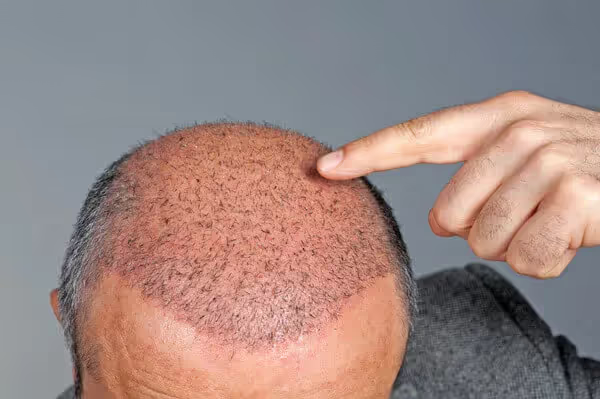
Soon after a hair transplant, clients often express the strong urge to itch or scratch their scalp. This is nothing to be alarmed about; it is simply a sign that your scalp (i.e., the donor and transplant area) is undergoing a healing process as a result of hair extraction and implantation. In response to repairing skin tissue, the scalp releases histamines that can cause that itchy feeling. What is important to remember is: Do not itch or scratch your scalp after a hair transplant. Here are reasons to avoid itching after an FUE hair transplant, plus what to expect post-transplant. Why Does It Itch After Hair Transplant?Hair transplant itching is considered normal for the most part. We know that feeling itchy is uncomfortable, so we hope the following tips and advice about managing an itchy scalp will help you during your hair transplant aftercare. A common question we get at Este is: How long does itching last after hair transplant? It really depends, and each hair transplant recipient has a unique experience. You will be tempted to touch your head after a hair transplant, but don’t do it! Immediate itching after a hair transplant treatment tends to feel worse at night, this is because right after a hair transplant procedure you are not able to wash your hair and scalp. Your scalp is reacting to postoperative crusting (e.g., scabbing) and inflammation; however, you will notice a huge improvement after you wash your head for the first time (i.e., first hair wash on the 3rd day). The urge to itch should lessen after the first wash, and improve by the final wash. ‍ Hair transplant itching 2 months later can also be a thing. This may occur across the whole transplant area or just in certain parts. Scalp itching weeks or months after a hair transplant may be a result of dry skin, an infection (e.g., dermatitis), an allergic reaction to topically products, and/or a previously existing skin condition (e.g., psoriasis). Again, itching is not necessarily something to be alarmed about; it is considered a normal part of skin tissue repair and healing. Este Medical Group has a post-transplant aftercare plan for every FUE hair transplant client that addresses concerns like scalp itch. Do Not Scratch Your Head After A Hair TransplantThere are several important reasons why you should not touch, itch, or scratch your hair after a hair transplant, including: You may accidentally dislodge or pull out newly transplanted hairs, which will have a detrimental impact on final regrowth results.You may open donor incisions, which will delay healing.You run the risk of introducing a skin infection to the hair follicle (e.g., folliculitis).Scratching and itching may only increase irritation and discomfort.‍How To Deal With Itching After Hair TransplantEste Medical Group provides each client with a detailed post-transplant aftercare plan. The most important step to manage hair transplant itch is the first wash or first aftercare shampoo. Let us take you behind the scenes and show you an actual step-by-step first hair wash and the final wash on someone who has undergone an Este transplant. Other things you can do to manage post-transplant itching include: Take an antihistamineAvoid the sun, as a burn may make the itch worseAvoid a hat or head covering, as some fabrics may cause irritationAvoid situations that might make you sweat, as dried sweat can cause irritationMedicated shampoo (e.g., anti-itch formula)Prescription steroid scalp solutionWe strongly recommend you keep your clinic or hair transplant rep in the loop when treating scalp itch. When it comes to hair transplant tips & advice we’ve got you covered! How long does itching last after hair transplant?Most of the major itching will be immediately after the hair transplant surgery, and with proper aftercare, itching symptoms should decrease. Some people do experience itching for longer but it is often not as dramatic. The urge to itch your scalp post-transplant may last for a few weeks, and sometimes it can last a few months. ‍What To Expect After A Hair TransplantScalp itch may not be the only side effect of a hair transplant. Other common side effects include: Itchy scalpScalp tendernessTight scalpScalp inflammationAching scalpSlight bruisingScabbing These are all normal parts of healing and recovery when it comes to hair transplant surgery recovery. To help prepare you for your hair transplant journey we have prepared some commonly asked questions and answers to get you on the right track. If you are considering a hair transplant in Turkey, we strongly recommend you book a FUE hair transplant consultation with us to discuss any concerns as well as your expectations.Last Updated: March 7, 2023

Why Does My Hair Itch After A Hair Transplant? Read More »

Whiteheads: Causes, Prevention & Treatment

Whiteheads: Causes, Prevention & Treatment

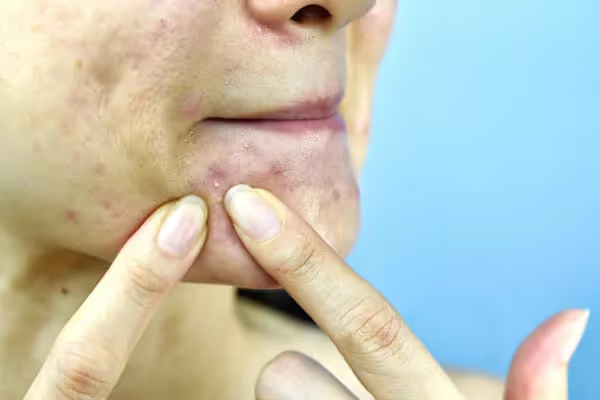
Whiteheads may be a mild and common type of acne, but you don’t have to live with them if you don’t want to. Let us help you discover how to get rid of whiteheads with proven and effective acne treatments that work! Knowing what are whiteheads can help you prevent and treat them in a way that is safe for your skin — the number one rule of dealing with whiteheads is don’t pop them! Read on to find out how to remove whiteheads without damaging or scarring your skin. Three recommended treatments for whiteheads available at Este Medical in the UK are: ‍HydraFacialMicroneedlingClearSkin laser‍What Causes Whiteheads?‍Whiteheads on the face or body occur when pores are badly clogged and sebum (i.e., an oily substance produced by the sebaceous glands) accumulates causing white bumps on the skin’s surface. Essentially, acne whiteheads are a type of skin inflammation that form as a result of: Too much sebum build upKeratin trapped beneath surface of skinIncrease in skin bacteriaChanges in hormones‍Do whiteheads go away on their own? They can go away on their own, but over time they may return if you have not dealt with the root cause of your skin acne. As skincare experts, we strongly recommend you see a healthcare provider to assess your whiteheads and follow their treatment advice. ‍Why am I suddenly breaking out with whiteheads? That could depend on your age, as whiteheads are more common among adolescents; however, 10% to 30% of adults can break out with whiteheads. As mentioned above, acne can be caused by the skin producing too much sebum, which, along with dead skin cells, clogs the pores. Clogged pores are the ideal place for acne bacteria to grow. ‍Amazing Acne Removal Success Stories!Acne before and after resultsAnmol Had problematic face acne that had been bothering him for a year when he found Este on social media.Acne before and afterAdam’s face dramatically transformed after Este Medical treatments for severe acne.Este Medical has helped thousands of youth and adults across the UK overcome their struggle with acne. Contact us to book your acne skincare consultation and get ready to put your best face forward in life! ‍The White Elephant In The RoomBefore we go any further sharing tips on how to get rid of whiteheads, let’s address the elephant in the room: Should you pop whiteheads? The answer is no, never pop spots! If you have white spots, we recommend that you do not: Pick, poke or squeeze whiteheadsUse skin products containing paraffin or petroleumUnsure if you have whiteheads or milia bumps, then send us a message through our website to book an acne skin assessment with Este Medical. ‍How To Get Rid Of Whitehead Bumps!As we said, no squeezing! Let’s go over how to remove a whitehead safely and effectively. First of all, you can try drugstore products to get rid of whiteheads on your face. Look for skincare products that contain: salicylic acid, azelaic acid, benzoyl peroxide, and retinoids. The goal when choosing drugstore acne products is to get washes, scrubs, or creams that target surface bacteria and exfoliate the pores. Another top tip to prevent whiteheads is to use noncomedogenic products and makeup, and to remove makeup when you become sweaty and before you go to bed. If pharmacy acne products for whiteheads don’t work, or your whiteheads keep coming back then it is time to consider a professional cosmetic skincare treatment for acne, or you can ask your doctor about prescription-strength retinoids or oral antibiotics. Top whitehead treatments your doctor or a medical aesthetician may recommend include: microdermabrasion, chemical peels, laser light energy therapy, and microneedling. ‍How to get rid of hard whiteheads on face? In the case of hard white bumps you may now be dealing with milia. Hard bumps on the face may be a result of trapped dead skin cells that form cysts. HydraFacial and microneedling could help with this skin condition; however, if the white spots or bumps are stubborn to remove, then we recommend you have a Lamprobe treatment for milia removal, which we do offer at UK Este Medical clinics. ‍How To Remove Blackheads And Whiteheads Permanently?We have mainly been focusing on whiteheads in this guide, but blackheads are also another form of unwanted acne that can be treated with similar professional skin treatments. Here are the best treatments to remove whiteheads and blackheads, as well as address acne scarring and skin discolouration: ‍HydraFacialMicroneedlingClearSkin laserLED phototherapyAzelan acne peelChemical peel ‍Este Medical in the UK has a variety of treatments to best address your problem with whiteheads, blackheads, and other types of acne including papules, pustules, nodules, and acne cysts. ‍How To Prevent Whiteheads With Este Medical Professional Acne TreatmentsEste Medical’s HydraFacial is one of the best immediate treatments to get rid of whiteheads, combined with regular microneedling treatments to prevent future whitehead breakouts and maintain optimal skin health. Because everyone has different skincare concerns and goals, we recommend that to determine which whitehead acne treatments are best suited to your skin type and age, you book a skin assessment at an Este clinic near you as soon as possible. Last Updated: June 27, 2023

Whiteheads: Causes, Prevention & Treatment Read More »

The Tinkerbell Nose Tip Lift – The Latest Trend!

The Tinkerbell Nose Tip Lift – The Latest Trend!

What is a Tinkerbell Nose?The Tinkerbell Nose Tip Lift is a rhinoplasty procedure that reshapes the nasal tip by creating a narrower, more refined shape. It gets its name from the iconic Disney character with a famously small and delicate nose tip. The procedure aims to create a more feminine shape with a desired angle of 120° between the nose and upper lip for women or an angle of 95°-100° for men. The surgical rhinoplasty method involves reshaping the nasal cartilage to create a smaller, more precise shape. Non-surgical rhinoplasty methods use dermal fillers to lift and contour the nose tip for your desired look. No matter the method you choose for your Tinkerbell Nose, you can expect a natural and beautiful result. What are the Benefits of a Tinkerbell Nose Tip Lift?Not only does it provide a more aesthetically pleasing shape, but it can also help to improve the appearance of any bumps or imperfections on the nose. The procedure is relatively painless, and recovery time for surgical and non-surgical methods is minimal. With a non-surgical procedure, you can achieve your desired result in one session and avoid the risks associated with surgery. However, a surgical procedure is best if you want a more permanent look. Achieves a more aesthetically pleasing shapeHelps to improve the appearance of any bumps or imperfections on the noseRelatively painless procedureMinimal recovery time for both surgical and non-surgical methodsNon-surgical method can be achieved in one session, avoiding risks associated with surgerySurgical method is best if you want a more permanent look Is the Tinkerbell Nose Tip Lift Right For You?The Tinkerbell Nose Tip Lift is a great procedure for anyone looking to give their nose a more delicate and refined shape. It’s important to consult our experienced aesthetician or plastic surgeon to determine if this procedure is right for you. We can help assess your needs and recommend the best surgical or non-surgical option to achieve your desired results. Surgical VS Non-Surgical?The decision of whether to choose a surgical or non-surgical procedure ultimately comes down to personal preference. Surgical is the right choice if you’re looking for a more permanent result. On the other hand, if you’d like to avoid the risks associated with surgery and simply want an immediate result without any downtime, then a non-surgical method is the better option. Regardless of your decision, we’ll be here to help you every step of the way and ensure you get the beautiful results you desire. So why not lift your nose with the Tinkerbell Nose Tip Lift? Contact us today to learn more! Lift & Enhance your Side Profile with Este Medical GroupThe Tinkerbell Nose Tip Lift is an excellent option if you’re looking for subtle yet noticeable changes in your nasal profile. We are proud to offer the latest innovative procedures and deliver natural-looking, beautiful results. If you’d like more information or have questions about this procedure, book a consultation today with our experienced professionals at Este Medical Group! We look forward to helping you perfect your profile one step at a time. Last Updated: March 16, 2023

The Tinkerbell Nose Tip Lift – The Latest Trend! Read More »

The Link Between Gut Health & Glowing Skin

The Link Between Gut Health & Glowing Skin

What role does a healthy gut play in achieving radiant, glowing skin? To start, it’s fairly common knowledge that inadequate water intake and a diet filled with highly processed, inflammatory foods can adversely affect your gut health, consequently impacting the health and quality of your skin. Excess caffeine, refined sugar, alcohol, and fatty foods don’t do any favours for the health of your gut microbiome. ‍Is There A Link Between Microbiome And Skin Health?Yes, nurturing the skin and gut microbiome has become increasingly more acknowledged as vital for maintaining healthy, glowing skin. There have been an abundance of medical studies that point to a clear link between an unhealthy gut, bad digestion and metabolism, and skin conditions and irritations. ‍What is the gut health and skin connection? A bad diet and unhealthy gut environment can have a negative impact on your skin; an unhealthy gut can be linked to skin conditions like acne and skin inflammation, dull skin, eczema, rosacea, psoriasis and alopecia for example. When the internal workings of the body, especially the digestive tract and stomach, are unhappy, your body often tries to alert you to problems deep below with spots and pimples, as well as with the skin irritations mentioned above. The encouraging news is that a healthy gut is connected to better digestion, a fortified and stronger immune system, and better skin health. ‍Discover How A Well-Nurtured Gut Contributes To Glowing Healthy Skin!‍Top Este tips for improving skin through gut health and more! Numerous clinical studies show that a healthy gut contributes to glowing, radiant skin. Here are actionable tips based on proven gut and skin science to achieve optimal gut health and reduce and manage unwanted skin conditions: Eat a Balanced Diet: Make whole foods a priority; eat foods with fibre, antioxidants, and probiotics to improve and maintain gut health, which will have a positive effect on healthy skin.Stay Hydrated: Keep your gut on point: stay well-hydrated to maintain optimal gut function and promote skin elasticity and skin hydration.Reduce Your Stress: Practise stress-relief techniques, as stress and depression can impact gut health in a bad way (re: leaky gut and inflammatory response in the body) and trigger skin conditions.Invest in Probiotics: Add probiotic-rich foods and supplements if needed into your diet to boost a supportive and healthy gut microbiome.Practise a Skincare Routine: Research skincare products that support the skin microbiome to achieve a healthy glow. Make cleansing, exfoliating, sun protection and moisturisation part of your at-home skincare practice. We recommend you try our new Este Medical skincare line Este Plus for all the skincare essentials to treat dry to oily skin, to acne and ageing skin issues.Slow Down Consumption of Processed Foods: Reduce eating fast foods, processed ready-meals, and sugary snacks that disrupt your natural gut flora and contribute to problematic skin issues.Talk To A Skincare Expert! Consult a skin care expert for personalised advice on gut health and skincare routines suited to your seasonal skincare needs. You can have a Este Medical skin consultation, book it online today!We encourage you to nurture your gut for radiant skin: prioritise a balanced diet, hydration, stress management, probiotics for glowing skin, use skincare mindful of the skin microbiome, invest in nutritional therapy for skin vitality (see IV drip therapy), and limit fatty and sugary processed foods. Now that you are empowered with gut health tips, healthy skin benefits to implement, and practical skincare knowledge, you can easily reach your skincare goals this new year! ‍Gut-Skin Issues: A Look At Related Skincare ProblemsAs we explore the gut-skin connection, let’s spotlight common issues faced by both men and women. ‍Gut Health And AcneIf you are experiencing acne, you might have a bacterial gut imbalance. Addressing your gut flora with probiotics can help your body control bad bacteria in the gut and reduce your body and face acne. Este Medical Group has several effective acne treatments that can complement a probiotic enhanced diet: ClearSkin laser treatment, HydraFacial, LED phototherapy, Azelan acne peel, and Morpheus8 for acne. ‍Gut Health And Eczema ManagementResearch suggests many skin disorders are linked to an altered or unbalanced gut microbiome, including atopic dermatitis, which is a type of eczema. Dietary changes, like eating more plant-based foods, may work to better manage this type of skin condition. As skin care experts we also recommend you combine a more nutritious diet with skincare treatments like Exciplex light therapy (a proven autoimmune skin treatment), HydraFacial and Dermalux LED therapy to reduce and manage eczema symptoms. ‍Gut Health And Inflammatory Skin ConditionsWhen it comes to inflamed skin, LED phototherapy (i.e., light therapy), is proven to effectively treat skin inflammation, like psoriasis or eczema. As mentioned above, a healthy gut microbiome plays a crucial role in managing inflammation in the body and on the skin. The majority of people who suffer from chronic inflammation know that food and drink directly affects their gut microbiome and overall health (i.e., gut-brain-skin axis). To help combat skin conditions related to inflamed skin, it is recommended to consume probiotic-rich foods including yogurt and kefir that have live and active cultures, as well as fermented foods and low-sugar kombucha. ‍Hormonal Balance And Skin AppearanceHormonal changes during menopause and postnatal may have a negative effect on your gut microbiome. When it comes to menopause, unfortunately, oestrogen levels decrease, which can lead to skin laxity and a slow down of collagen production. To combat the signs of ageing due to menopause, we recommend skincare treatments that will stimulate your body to produce more skin-lifting collagen like Morpheus8, Harmony ClearLift, HiFU anti-ageing treatment, and dermal fillers. We advise you to speak with your GP or a postpartum care expert to gain insights into managing gut health as your body is adapting and changing due to fluctuations or permanent changes to hormone levels. Once again, diet plays an important role in managing and improving gut health linked to hormonal imbalances: reduce your intake of sugary or processed foods, and take a daily probiotic. ‍Trust Your Gut, Come To The

The Link Between Gut Health & Glowing Skin Read More »

Radio Frequency Skin Tightening Pros and Cons

Radio Frequency Skin Tightening Pros and Cons

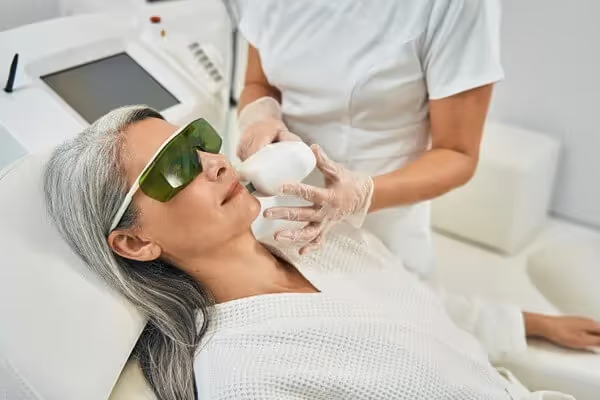
Is your skin showing its age? If you are upset or feeling depressed by loose skin (i.e., skin laxity), visible cellulite, skin wrinkles, and sagging skin, then you will want to try radio frequency skin tightening to improve the firmness and texture of your skin. RF energy, or radio frequency skin firming is an effective anti-ageing cosmetic treatment that women and men use to tighten their skin, therefore improving body contours and achieving a more youthful appearance. With age, our skin loses elasticity, which can lead to: Sagging cheeks and jowlsEye and eyebrow droopDouble chinTurkey neckSaggy cleavagePuckered elbows and kneesLoose tummy skinBum saggingDeep wrinkles and skin foldsA non-surgical, non-invasive solution to these common face and body concerns is radio frequency technology, which can address a multitude of skincare conditions related to ageing, as well as cellulite, skin laxity, and sun damage. Este Medical’s Top Skin Tightening TreatmentsVelaShape III Body Contouring & Cellulite TreatmentHiFU ULTRAFORMER III Skin TighteningScarlet RF Non-Surgical Facelift with MicroneedlingEach of these highly popular body contouring and skin firming treatments result in smoother, less wrinkled, and firmer skin. At Este Medical our clients report high levels of satisfaction with RF energy skin tightening treatments for loose skin. What Is Radio Frequency Skin Tightening?Radio frequency skin firming treatments use clinically proven devices that deliver short pulses of energy to rejuvenate existing dermal tissue, and at the same time stimulates new collagen and elastin production in the body, which helps to tighten and improve the texture and appearance of the skin’s surface and supporting structure. Does radio frequency tighten skin? Yes it does! This skin-safe energy works like magic to boost the natural production of skin firming elastin and collagen fibres, as well it causes subdermal tissues to tighten and contract, making the skin stronger and smoother again. Radio frequency skin treatments also offer the added bonus of having no downtime; it really is one of the easiest treatments to experience. Do you want to book a radio frequency skincare and body contouring treatment at an Este clinic near you? Book an Este Medical consultation to get started! How Does Radio Frequency Skin Tightening Work?During a RF energy treatment, short pulses of energy flow from a RF device into the skin, gently and safely heating the subdermal tissues, triggering the production of collagen and elastin, as well as an increase in the body’s natural hyaluronic acid production (hyaluronic acid is excellent at skin plumping!). Can radio frequency tighten skin? Indeed it can! As a result of the skin-safe radio frequency energy, your body responds by making strong new fibrous tissue to support and firm the skin, and collagen fibres become shorter and more tense, therefore making your skin tighter in the treatment area! Benefits Of Radio Frequency Skin TighteningLet’s cover radio frequency skin tightening pros and cons so you can make a more informed decision about this highly popular skin tightening treatment. Does radio frequency skin tightening work? Yes, that is one of the major benefits, plus it is non-surgical, non-invasive, and involves zero downtime! Radio frequency skin tightening ‘pros’ include: Better skin tone and textureIncreased collagen productionLess saggy skinLoose skin is tighterInstant face liftingCellulite reductionSmoother skinBetter skin elasticityImproved body contouringNatural hyaluronic acid productionFat reductionCompared to the cost of a facelift or surgical removal of excess skin to achieve tighter skin, radio frequency skin tightening treatments are more affordable, and as mentioned, doesn’t involve any downtime or recovery time. If you have loose skin resulting from ageing, menopause, sun damage, surgery, or weight fluctuations, then send us a message to arrange a RF energy consultation to find out how many treatments you may require and the best radio frequency skin tightening treatment for your beauty goals! What are the cons of this type of skin tightening? Well, for some people looking for dramatic instant results they may find radio frequency skin tightening treatments take a bit more time to show results, and much may depend on what part of the body (e.g., face, hands, décolleté, tummy, bum…) is being treated and for how long. Depending on your skin tightening concern, it could take a few months and several RF energy treatment sessions to see the final outcome. Common Skin Tightening QuestionsNon-surgical radio frequency skin tightening treatments like HiFU ultrasound energy, VelaShape 3, and Scarlet Magic Needle have many beauty benefits; these treatments can all help to lift and firm skin on the face, hands, neck and other parts of the body, as well as target stubborn cellulite, deep skin folds, and wrinkly skin. Here are a few commonly asked questions about skin firming treatments using RF energy. Does radio frequency skin tightening really work?Scarlet RF, HiFU energy, and VelaShape skin tightening treatments do work. The treatment is ideal for improving the quality of your skin, particularly after surgery, weight loss, or pregnancy, as well it works well on older skin to slow down the ageing process. How effective is radio frequency skin tightening?Studies have found that RF energy for skin tightening is skin-safe and can be effective at treating mild to moderate signs of ageing, as well as treating cellulite and other skin related imperfections. Radio frequency skin tightening treatments are effective at improving the look of wrinkles and sagging skin. With proper skincare and follow-up appointments, results can last for two to three years. Can radio frequency damage your skin?Professional radio frequency skin tightening treatments at a medical clinic are non-invasive and use skin-safe technology. Studies reveal an excellent safety profile on RF energy procedures for skin tightening in a clinical setting. As skincare experts, we strongly advise caution when using RF energy at-home treatments or RF energy devices, as there may be a risk of hurting the skin from overexposure. ‍The best, safest, and most effective radio frequency skin tightening treatments are conducted by experienced and trained skincare experts at a reputable medical clinic, like Este Medical. How long to see results from radio frequency skin tightening?Because it takes time for your skin to produce new elastin

Radio Frequency Skin Tightening Pros and Cons Read More »

Melasma Mustache: How to Reverse Dark Upper Lip

Melasma Mustache: How to Reverse Dark Upper Lip

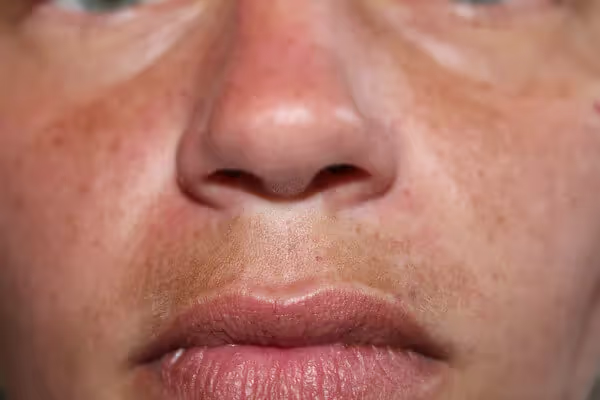
A melasma moustache, also called a sun mustache or summer moustache, is a skin pigmentation condition that often gets worse in the summer because of increased sun exposure. This type of melasma often appears over the upper lip, causing this area of the face to darken (e.g., brown blotchy patches, or greyish skin over the lip). Este Medical does have a wonderfully easy and skin-safe treatment to recommend! Don’t panic! Melasma pigmentation over the lip is not considered a health threat; however, it can be frustrating to live with as it visibly affects your skin colour and your appearance. It’s also an indication you need to increase your use of SPF skincare and sun protection (e.g., increase your protection with a sun hat, sun shade, sun umbrella in the summer). In most cases a melasma moustache is a result of sunlight and sun damage; the delicate skin over the lip is overly exposed to the sun’s damaging rays. It can also be attributed to changes in hormones (e.g., postnatal, menopause for example), your genetics, and some medications. Melasma Mustache CausesWhat causes melasma mustache? For the most part, this type of skin discoloration is a result of excessive melanin in the inner and outer layers of the skin. Melasma occurs when there is a cellular increase in the pigment melanin in the skin. The following factors may work alone to cause a melasma moustache, or combine to cause this condition. Here are things that may cause a melasma lip mustache. Sun damage, frequent sun (UV) or heat exposure (i.e., melasma sun mustache)Hormone changes in puberty, or from postpartum and postnatal changes (i.e., pregnancy melasma mustache re: pregnancy mask )Some medications (e.g., birth control pills with oestrogen)Family history and geneticsIllness or disease (e.g., thyroid disease)Woman & Hormonal Melasma MustacheDid you know that melasma mustache is more likely for reproductive-aged females than it is in males. It is a common pregnancy condition, affecting 15% – 50% of pregnant or postnatal women. During pregnancy, this type of melasma is often referred to as the mask of pregnancy. How Can I Treat Melasma Mustache?One of the best professional treatments to reverse dark upper lip pigmentation are cosmelan pigmentation peel sessions. Send us a message through our website to find an Este Medical clinic near you. Can You Get Rid Of Melasma Moustache?Yes, there are effective and professional ways to get rid of melasma mustache. Cosmetic treatment is recommended for melasma dark upper lip because if left untreated it can recur from summer to summer, or unfortunately get worse with more exposure to sun and UV light (e.g., tanning beds). How to get rid of melasma mustache? Here’s our recommendation for upper lip melasma mustache treatment. You can certainly try drugstore at-home skin brightening moisturising lotions and creams to treat melasma upper lip, but you might find that getting instant results takes longer than your summer vacay. Another option is dermatologist prescribed topical treatments that include skin-lightening ingredients like azelaic acid, kojic acid, and retinoids. Este Medical actually has a new line of skincare products, and for a melasma moustache treatment we would recommend our Este Plus Brightening Solution, EP Natural Lip SPF, and EP Supreme SPF 50+ suncare! The ultimate treatment for melasma mustache is a professional cosmelan pigmentation peel. In the case of melasma on upper lip, your Este Medical skincare expert will apply a cosmelan peel containing the natural skin-lightening ingredients azelaic acid and kojic acid. Take a look at these remarkable cosmelan peel before-and-after depigmentation client photos to see how effective this treatment is on a variety of skin tones. How Does A Cosmelan Peel Work To Reverse Dark Upper Lip?A cosmelan peel to reverse a dark upper lip works on all types of skin and different levels of pigmentation across all ages. When a cosmelan peel treatment is applied to the upper lip, its active ingredients get to work targeting the cells that give skin its pigment and help inhibit melanin production. Our skin-safe cosmelan peel’s azelaic acid and kojic acid target the cells responsible for pigmentation. As a result, the treatment area will lighten (especially over a couple of sessions), plus the skin tone will balance out, along with the appearance of skin discolouration. If you are tired of trying to hide your dark upper lip with concealer makeup, or want to try something more potent than chemist lightening creams, then send us a message through our website to book a cosmelan peel for dark upper lip or depigmentation lip treatment! Last Updated: May 30, 2023

Melasma Mustache: How to Reverse Dark Upper Lip Read More »

Laser Tattoo Removal Aftercare Tips

Laser Tattoo Removal Aftercare Tips

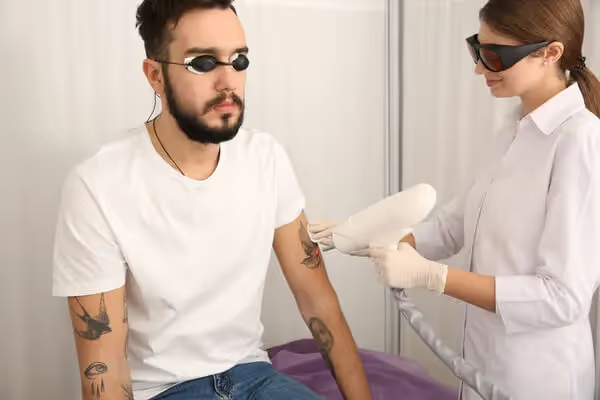
So, you got rid of that embarrassing tattoo from a time you’d rather forget, but what about laser tattoo removal aftercare? When you undergo laser tattoo removal at Este Medical, your clinician will advise you of the best aftercare for laser tattoo removal, but if you need a little recap then check out the info below. Does Laser Tattoo Removal Hurt?Before we get going with aftercare tips, if you’re wondering whether the actual process of getting your tattoo removed is going to be painful, then rest assured it won’t hurt as much as the actual tattoo itself did. People liken the pain to something a little like sunburn, or rubber bands being flicked on your skin. If you’ve managed the experience of getting a tattoo, you should be fine when it comes to getting it removed. Laser Tattoo Removal Aftercare InstructionsWhen you get an old tattoo removed by laser, your skin is exposed to extremely powerful lasers. Our skin has the ability to withstand this technology, but it’s wise to be as cautious as possible when it comes to aftercare. If you don’t follow the specific laser tattoo removal aftercare UK tips provided by your clinician, then you could leave yourself open to developing – HyperpigmentationSkin irritationAn infection of the lasered areaSo, let’s look at the best things you can do to help avoid these issues. The First Two DaysThe first two days after having your tattoo removed by laser are paramount in your skin’s recovery. To help avoid any skin irritation or problems developing with the area, it’s wise to wear soft, loose-fitting clothes. Opt for light, breathable fabrics such as 100% cotton. Steer clear of any fabrics that have an itchy feel to them – such as wool for example. To help ensure your skin is protected, your clinician may dress your old tattoo with a bandage dressing. This isn’t always necessary, and is done on a case-by-case basis. If you do have a dressing or bandage, then make sure you leave it alone and don’t pick at it as this could cause extra irritation. Only take your dressing off once you have been told it’s safe to do so. Clean UpHygiene is key when it comes to tattoo laser removal aftercare UK. During the healing stage, you’ll need to keep the area treated, clean. You don’t need to go overboard with a special laser tattoo removal aftercare cream at this stage, just rinse with warm water and gently pat dry if needed. Your clinician may have given you an antibacterial cream to apply, if this is the case then you can use this laser tattoo removal aftercare cream as advised. Make sure you absolutely avoid exposing the skin that’s been treated to any potential irritants such as perfumes, body sprays, and soaps. Leave Scabs AloneEveryone knows how tempting scabs can be to pick, but seriously, if you want your skin to heal as best it can, don’t pick or rub at any scabs or crusting skin that appears in the area. Scabs are all part of your skin’s healthy healing process so let your skin do its job and don’t intervene. Scabs form so that your skin is protected from dirt and microbes that could get into the healing skin and cause infection. Scabs and skin that blisters are a common part of the healing process when it comes to tattoo removal, but if you’re at all worried or something is causing you discomfort, speak to your specialist at Este who’ll be able to help. If you’re worried about blisters, don’t be – they’re also part of your skin’s healing process. The best way to deal with them is to leave them alone, avoid placing them under any amount of pressure, and keep them out of hot tubs or showers. If you want to help relieve any discomfort from the blisters, an ice pack wrapped in cloth can be used, or try gently smoothing on an aloe vera gel. Stick to the ShadePost-treatment, you should aim to keep your treated skin out of the sun. If you have to go out in it, layer up with clothing, and/or add a high SPF suncream. Look for suncream with good UVA and UVB protection. You’ll need to stay out of the sun for at least the first four weeks after your tattoo removal. This will give your skin the best chance of a full recovery and avoid any potentially harmful rays that could lead to hyperpigmentation. And now for a few extra questions, that might be preying on your mind… Does Laser Tattoo Removal Leave Scars?Permanent scarring shouldn’t occur if you are treated with the correct laser, by qualified clinicians. During the healing process your skin may scab and blister, and you need to avoid picking or irritating those if you want to have smooth, clear skin post-treatment. Can you Tattoo Over Laser Tattoo Removal?Yes, if the old ink from your tattoo has faded and your skin has healed, then it’s possible to have another tattoo in the same place. You’d need to wait for healing to be complete, and at least eight weeks before a new one can be considered. How Long After Laser Tattoo Removal will Tattoo Fade?You’ll need multiple laser treatments to permanently remove your unwanted tattoo. How long it takes for your tattoo to fade differs from person to person. In general, you should expect to see your tattoo start to fade around two to three weeks post treatment. We hope this guide has been handy in helping you understand the best way to deal with laser tattoo removal aftercare. As with anytime when you’re healing, it’s wise to rest up, drink plenty of water, and eat a healthy diet to boost your immunity. If you have any further questions, please get in touch with the team at Este who’ll be happy to advise.

Laser Tattoo Removal Aftercare Tips Read More »

Keeley Hawes’ New Look Sparks Nose Job Talk. Top 10 Reasons for Nose Surgery!

Keeley Hawes’ New Look Sparks Nose Job Talk. Top 10 Reasons for Nose Surgery!

English actress Keeley Hawes is best known for her performances in TV and film adaptations of literary classics. She has been getting attention for adapting more than just her acting roles — her hair and overall style have changed, and many fans are wondering if rhinoplasty played a part in her transformation. When you look at Keeley Hawes’ before and after nose photos (alleged nose job), there is a difference. Her new look has sparked talk that she may have had her nose refined through surgery, or perhaps undergone other subtle facial treatments like lifting or tightening. Celebrity Nose Jobs: Inspiring Confidence and Transformation‍Of course, it’s all speculation. But when celebrities show signs of aesthetic change, it often opens the door to wider conversations about plastic surgery — especially rhinoplasty and septoplasty. Nose surgery can improve facial harmony, boost confidence, and for those in the spotlight, potentially lead to more opportunities in front of the camera. That said, not every cosmetic procedure is about career moves or chasing beauty standards. Surgeries like nose reshaping, chin implants, or brow lifts are often about feeling good in your own skin. If it helps someone feel more confident when they look in the mirror, that’s reason enough. At Este Medical Group, we support those goals fully — because no matter your celebrity status, you’re treated like a VIP at Este! Are you curious about having an Este nose job in Turkey? Contact Este UK to book an appointment for a consultation to determine if septoplasty or rhinoplasty is the best fit for your face! Should I Get A Nose Job? Top 10 Reasons for Nose Surgery ‍Here’s a list of 10 aesthetic and practical reasons someone might consider getting a nose job (rhinoplasty or septoplasty) during their lifetime — whether male or female: Aesthetic ReasonsImprove Facial Balance: A well-proportioned nose can enhance overall facial harmony by complementing features like the chin, lips, and eyes.Refine Nose Shape or Size: Many individuals want to reduce a bump on the bridge, narrow the nose tip, or adjust the width of the nose for a more refined look.Correct Asymmetry: A crooked or uneven nose, whether natural or caused by injury, can be reshaped to create a more symmetrical appearance.Boost Self-Confidence: Changing a feature that has always caused insecurity can dramatically improve how someone feels about their appearance.Refresh an Aging Appearance: As we age, the nose can droop or change shape. A subtle nose job can restore a youthful balance to the face.Practical Reasons‍Fix a Deviated Septum: A septoplasty can correct breathing problems, nasal blockages, or chronic snoring caused by a crooked nasal septum.Repair Trauma or Injury: Injuries from sports, accidents, or falls can be corrected with reconstructive nose surgery to restore both function and appearance.Improve Sleep Quality: Breathing issues related to nasal structure can affect sleep. Surgery can reduce snoring and improve airflow during rest.Ease of Wearing Glasses: For those with discomfort from the shape of their nasal bridge, a subtle reshaping can help glasses fit more comfortably.Support Career Confidence: For actors, public speakers, models, or professionals in highly visible roles, a nose job can enhance on-camera confidence and presence.‍Do any of these reasons sound familiar to you? If you’re thinking about how nose surgery could improve your confidence, breathing, or appearance, it might be time to speak with an expert. Book a consultation with Este Medical Group in the UK to explore your nose slimming or lifting options. You’ll be able to discuss surgical and non-surgical treatments for nose reshaping, as well as other facial procedures like a liquid facelift or one of our advanced face lifting treatments available in Turkey. ‍What To Know About Rhinoplasty Nose Surgery‍Rhinoplasty, commonly known as a nose job, is a safe cosmetic procedure that reshapes the nose. It can alter the size, refine the shape, adjust the bridge height, reshape the tip, and correct wide nostrils. There are two types of rhinoplasty: Open rhinoplasty: This involves an external incision on the columella (the strip of tissue between the nostrils), allowing greater access for reshaping.Closed rhinoplasty: All incisions are made inside the nostrils, resulting in no visible scarring and typically a shorter recovery time.Septoplasty, on the other hand, is a functional nose surgery aimed at improving breathing and overall nasal function. It corrects issues such as a crooked or deviated septum, which can significantly enhance airflow and respiratory comfort. Why Nose Shape Affects Confidence and Self-Esteem ‍For many individuals, how they feel about their nose starts early in life. School years can be especially tough when it comes to appearance, with children and teens often teased or bullied for features that stand out. Unfortunately, the nose is one of the most noticeable parts of the face, so it becomes an easy target for cruel nicknames or unwanted attention. These early experiences can stick, shaping how we see ourselves well into adulthood. During puberty, it’s common to become more aware of our appearance. For both males and females, this time of change can heighten self-consciousness, especially when the nose starts to take on a more prominent shape. If your nose feels “too big,” “too wide,” or simply out of proportion with the rest of your face, it can become a long-standing source of insecurity. Even in adulthood, those feelings can linger, affecting how you feel in photos, on video calls, or in social situations. While some people eventually learn to accept or overlook their nose shape, others continue to feel unhappy with how their nose affects their overall look. Thankfully, the idea of getting a nose job — also known as rhinoplasty — is no longer out of reach. Nose reshaping procedures are now more advanced, more refined, and far more accessible than ever before. In fact, many men and women travel to Turkey for top-quality nose surgery at a much lower cost compared to the UK or other parts of Europe. During your Este Medical UK consultation, our team can help you plan nose surgery in Turkey with Este Medical

Keeley Hawes’ New Look Sparks Nose Job Talk. Top 10 Reasons for Nose Surgery! Read More »

How Many PRP Sessions Are Needed For Hair Growth? & How Often?

How Many PRP Sessions Are Needed For Hair Growth? & How Often?

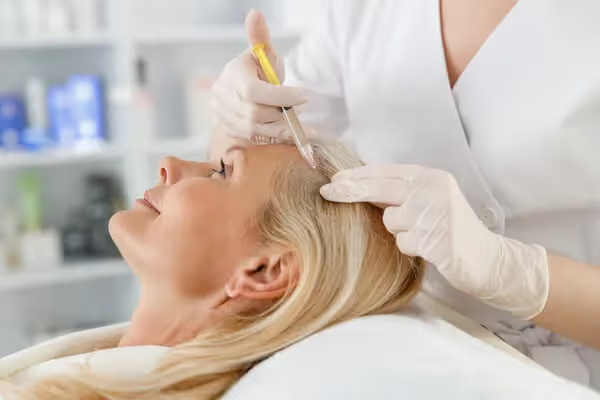
Why is PRP so popular for hair loss and hair regrowth?Platelet-rich plasma (PRP) hair treatments are popular because they produce significant hair growth results. Numerous clinical studies show that PRP hair injections are effective in treating individuals with hair loss from alopecia — PRP hair therapy helps to natural thickening and strengthen the hair and boosts blood circulation for a healthier scalp and more robust hair follicles. ‍How Many PRP Sessions?A typical PRP session schedule is 6 sessions about 4 weeks apart. Brukey Says Este Medical Saved His Hair! ‍Who is PRP hair loss therapy for?Platelet-rich plasma hair treatments are for men and women who are experiencing varying degrees and different types of hair loss, and individuals who prefer to have a non-surgical hair loss treatment. If you are not sure what type of hair loss you are experiencing, then we recommend you book a hair loss consultation at an Este Medical clinic near you. Types of male hair lossHair loss in womenSaadiya Rahman Shares Her Postpartum Hair Loss PRP JourneyAfter having a baby, our client had extreme hair loss (i.e., postnatal hair loss). After an Este consultation she started customised PRP mesotherapy treatments for about 4 months. Find out why she chose Este Medical Group. ‍Can you combine PRP injections with other hair restoration treatments?Yes, you can combine PRP with laser light hair regrowth treatments. Having laser hair therapy with mesotherapy hair treatments is an excellent way to boost blood circulation to the scalp, which will stimulate cell growth and nurture hair follicles with increased oxygen and growth factors (i.e., platelet-rich plasma). This is an ideal treatment for someone looking for a non-surgical option to hair growth. For those men and women who have decided to have an Este Turkey hair transplant, we highly recommend having PRP hair injections and laser light hair therapy before and after hair graft surgery. Combining PRP and laser therapy with a hair transplant will increase the overall success rate of the procedure. ‍PRP hair injections stimulate inactive or newly implanted hair follicles into an active growth phase. Platelet-rich microinjections combined with mesotherapy for hair is a very efficient technique for slowing hair loss and treating alopecia. 38-Year-Old Birmingham Man Gets New Hair & Teeth in Turkey ‍How does PRP work?PRP treatments are actually very straightforward; during a PRP procedure blood is taken from your body, typically from your arm, like how blood is donated, and then your blood is medically centrifuged (i.e., separated) to gather a platelet concentrate, which is then injected into the treatment site, in the case of hair loss extracted platelet-rich plasma is microinjected into the scalp. ‍What is mesotherapy? The mesotherapy method for hair loss involves microinjections filled with active ingredients such as PRP, vitamins, minerals, and enzymes being injected below the scalp’s surface to the mesoderm. At Este Medical we will customise your mesotherapy treatment solution with the most optimal ingredients to stimulate your hair follicles to grow thick and strong. PRP combined with mesotherapy will help to improve overall scalp and hair health, as well as trigger hair follicles into an active growth cycle. The best way to determine the ideal number of PRP sessions is for you to have an Este UK hair loss consultation. During a professional consultation our hair loss experts can discuss with you growth factors that will influence PRP session frequency. Send us a message to book your first PRP treatment session with Este Medical Group. ‍Is PRP worth it?We have many female and male clients who will tell you that PRP hair loss treatment is worth it! ‍Young woman has astonishing hair regrowth after having Este Medical PRP treatment combined with laser light hair therapyBy combining these two non-surgical hair loss treatments our client was able to grow back hair over a large bald patch on the top of her head. Este’s CEO has PRP for hair & skincare!Even our Este Medical CEO, Sam Cinkir, has regular PRP treatments for hair restoration maintenance and facial rejuvenation. ‍Choose Este UK for your expert hair loss treatments‍PRP hair loss treatments are a proven way to start your hair restoration journey with Este Medical. To get you on that journey, we are offering a special 10% off PRP treatments. *Offer subject to change Our Este hair loss clients are always thrilled with how fast they see results from PRP. Within 1 or 2 treatments with PRP you will start to have better hair texture, plus your hair will start to thicken and new hair growth will begin in the treatment area of your scalp. All you need to do is fill out a form to redeem your 10% offer and book a PRP consultation. *Offer subject to change Last Updated: September 28, 2023

How Many PRP Sessions Are Needed For Hair Growth? & How Often? Read More »