
Acne Treatment
Acne is a skin condition that develops when pores become clogged with oil, dead skin cells, or bacteria, leading to blackheads, whiteheads, pimples, or inflamed breakouts. If not properly treated, acne can result in scarring, discolouration, and long-term skin damage.
Acne Treatment in the UK
Understanding acne properly is often the first step toward managing it. This page provides clear, UK-focused information about acne, why it develops, the different forms it can take, and when it may be helpful to seek professional advice.
Acne Treatment
Acne is a skin condition that develops when pores become clogged with oil, dead skin cells, or bacteria, leading to blackheads, whiteheads, pimples, or inflamed breakouts. If not properly treated, acne can result in scarring, discolouration, and long-term skin damage.
What Is Acne?
Acne is a skin condition that develops when hair follicles become blocked with oil, dead skin cells, or bacteria. This can lead to visible spots, inflammation, or deeper skin changes, most commonly affecting the face, chest, back, and shoulders.
Although acne is often associated with adolescence, it can occur at any age. Adult acne, in particular, is increasingly common and may follow different patterns from teenage acne.
Different Types of Acne
Adult Acne
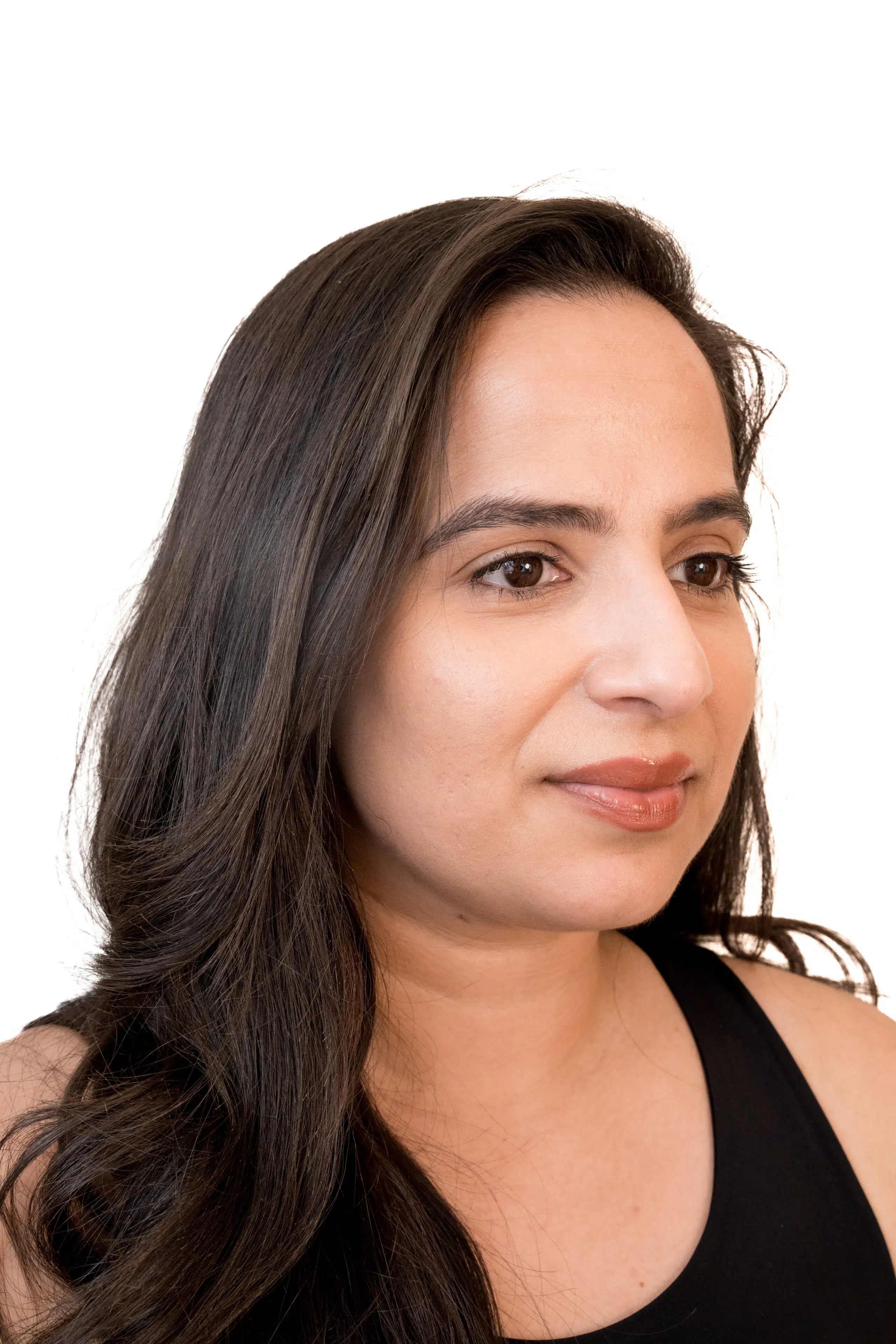
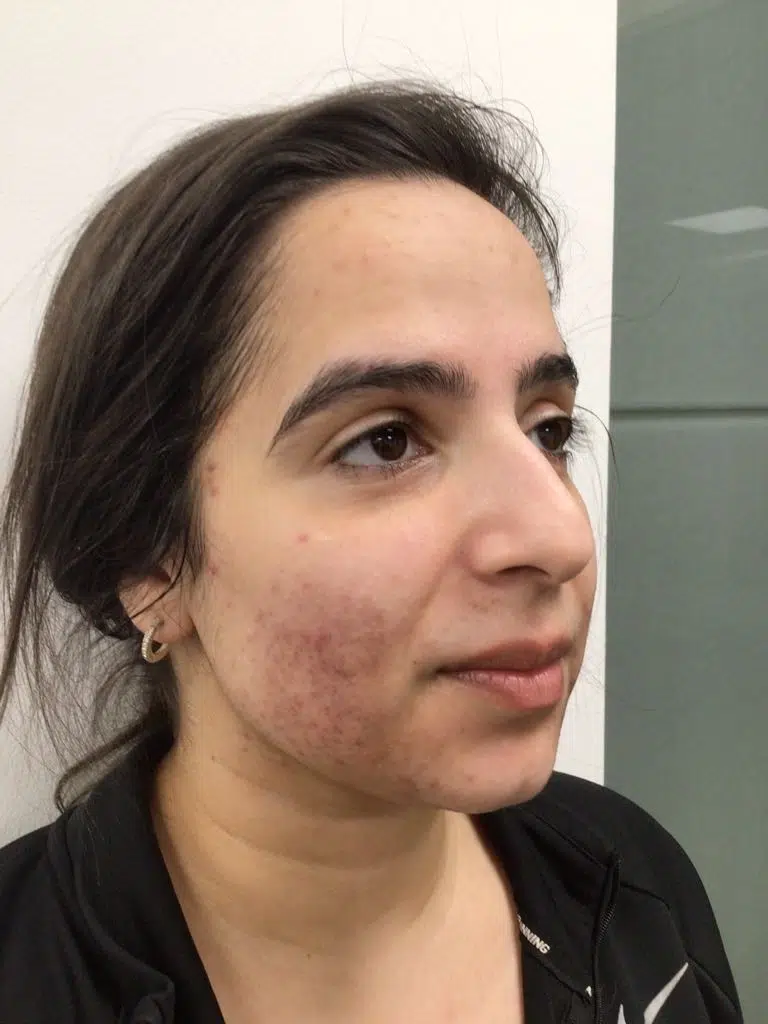
Often appearing after the age of 25, adult acne may involve persistent breakouts or flare-ups that develop later in life. It commonly affects the lower face and jawline but can vary between individuals.
Hormonal Acne
Hormonal fluctuations can influence oil production and inflammation in the skin. This type of acne may follow cyclical patterns and can affect both men and women.
Inflammatory Acne
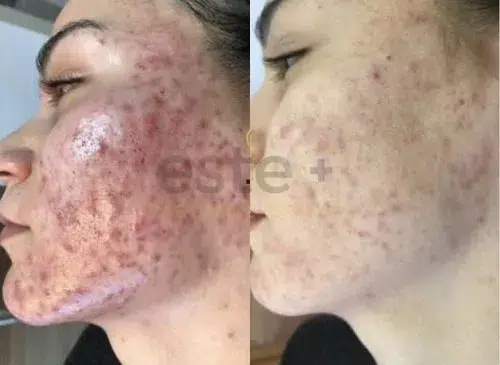
Inflammatory acne includes red, swollen spots that may feel sore or tender. These breakouts can be more noticeable and may take longer to settle.
Cystic or Nodular Acne
This form involves deeper lesions beneath the skin’s surface. It can be more persistent and may increase the likelihood of long-term skin changes if not assessed properly.Understanding which type of acne is present is important, as this can influence how it is approached.
What Causes Acne?
Acne rarely has a single cause. Instead, it usually develops due to a combination of internal and external factors, which may include:
- Increased oil (sebum) production
- Blocked hair follicles
- Skin inflammation
- Hormonal changes
- Genetic tendencies
- Environmental or lifestyle factors
Because these factors interact differently for each person, acne can behave unpredictably and change over time.
When to Seek Professional Advice for Acne
Many people manage mild acne with over-the-counter skincare products. However, there are situations where professional assessment can be helpful, particularly if:
- Acne persists despite consistent skincare
- Breakouts become more severe or widespread
- Adult-onset acne develops unexpectedly
- Acne begins to affect confidence or daily life
- There is concern about long-term skin changes
A structured consultation can help clarify what type of acne may be present and what options may be appropriate to consider.
How Acne Is Assessed in a Clinical Setting
Professional acne consultations focus on understanding the individual rather than treating acne as a one-size-fits-all condition. This may include:
- Reviewing skin history and previous approaches
- Assessing the pattern, location, and severity of breakouts
- Discussing contributing factors and lifestyle influences
- Providing clear guidance based on clinical observation
The aim is to support informed decision-making, rather than offering generic solutions.
Acne Before and After Results
For clarity and transparency, patient outcomes can check on Acne Before and After Results page.
Finding Local Acne Support
If you are looking for acne support in a specific location, you can explore our local clinic pages below. Speaking to a professional in person allows for a personalised assessment and discussion.
Book an Acne Consultation
If you’re looking for personalised acne advice, you can explore clinics across the UK for consultation.
Frequently Asked Questions About Acne
Is acne only a teenage condition?
Can acne affect areas other than the face?
Yes. Acne may appear on areas such as the chest, back, shoulders, and neck. These areas contain oil glands that can also become blocked or inflamed.