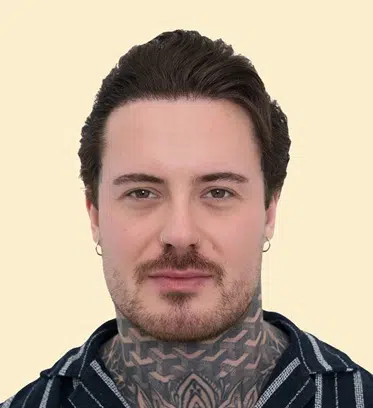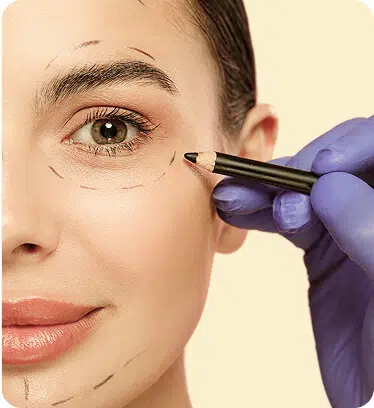

A beard transplant sounds simple enough: move hair from where you have plenty to where you don’t. DHI is where it gets more fiddly, and where the name starts being used loosely. Some clinics treat it as a headline treatment, others use it as a label for almost anything, and the explanations online rarely say what actually changes in the room.
This is a plain UK guide to the DHI beard transplant. It covers how the technique works, how it differs from other approaches, what it can and can’t do for a patchy beard and what to expect afterwards. In our view, the label matters less than who’s holding the implanter and how well they’ve planned the shape, but it helps to know what the label means.
What Is a DHI Beard Transplant?
A DHI beard transplant is a procedure in which hair follicles are taken one at a time from a donor area, usually the scalp, and implanted directly into thinning or bare areas of the face using a specialised pen-like implanter, without creating channels first. DHI stands for Direct Hair Implantation.
How Does a Beard Transplant Work?
The process has four stages. Your clinic’s own order and details may differ slightly, but this is the general picture.
Beard Design
Before any hair is moved, the clinician plans the beard. That means deciding where the edges sit along the cheeks and neck, how the jawline is shaped and how density changes from the edges to the centre. You should see and agree with this design before treatment starts. It’s the stage that decides whether the result looks natural.
Donor Hair Extraction
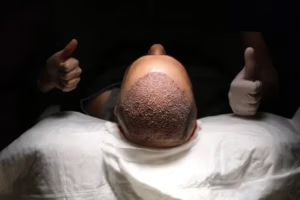
Follicles are removed individually from the donor area, usually the back or sides of the scalp, where hair tends to be long-lasting. A local anaesthetic numbs the area first. Because each follicle is taken separately, no strip of skin is removed.
Graft Preparation
Once extracted, the follicles are checked and sorted. They’re kept in suitable conditions until they’re implanted, since handling affects how well a graft settles. Good clinics are careful here, because a follicle that’s been damaged or left out too long is less likely to grow.
Implantation
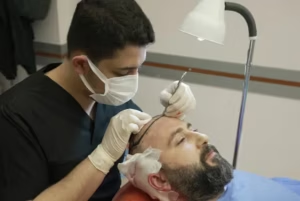
Each follicle is loaded into the implanter and placed directly into the skin, in the angle and direction that matches the beard’s natural growth. This is the stage that gives DHI its name. Facial hair doesn’t all grow the same way, so the angle changes from the cheeks to the chin to the upper lip, and the clinician adjusts for that as they go.
What Makes DHI Different From Other Beard Transplant Techniques?
The difference is mainly in how the hair is placed. The extraction stage is broadly similar across modern techniques. Here’s a side-by-side look at how they compare:
| Stage | Techniques that use channels first (such as standard FUE) | DHI |
|---|---|---|
| Extraction | Follicles taken individually from the donor area | Follicles taken individually from the donor area |
| Preparing the recipient area | Small channels are made in the skin before grafts are placed | No separate channel-making step |
| Placement | Grafts are placed into the prepared channels | Each follicle is implanted directly using the implanter |
| Control of angle and direction | Set when the channels are made | Set as each follicle is placed |
The idea behind DHI is greater control over angle, direction and depth, which can matter on a face where growth direction varies. Whether that makes a visible difference for you depends on your hair, your donor supply and the skill of whoever plans and performs the work. No technique is automatically better, so ask any clinic why it recommends the one it does. Our guide to DHI hair transplant options in Manchester covers how DHI compares more generally.
Can a Beard Transplant Fix a Patchy Beard?
In many cases, yes. A beard transplant is most often used for exactly this, but how well it works depends on why the beard is patchy and how much donor hair you have.
What Causes Patchiness?
Genetics is the most common reason. Facial hair patterns are largely inherited, and some people simply never develop an even beard. Scarring from injury, surgery or skin conditions can also interrupt growth. Some patchiness has medical causes, so it’s worth mentioning to your GP before considering treatment.
Which Areas Can Be Treated?
Cheeks, chin, jawline and the area around the mouth are the most common targets. Clinics can fill in a single patch or rebuild a larger part of the beard. Your assessment will show where growth is thin and where grafts would make the biggest difference.
What Affects the Final Appearance?
The design, the number of grafts, the density you choose, how your own hair grows around the transplanted area and how well the grafts settle. Realistic expectations matter. A transplant can add density, but it can’t turn a sparse beard into a different one.
How Many Grafts Are Needed for a Beard Transplant?
It varies widely, from a few hundred for a small patch to a few thousand for a full beard, and your own figure only comes from an assessment. A clinic that quotes a number without seeing your face is guessing. Four things decide it:
Treatment area. A cheek patch and a full beard need very different totals.
Existing beard density. Areas with some hair already need fewer grafts than bare ones.
Desired density. A fuller result generally needs more grafts.
Donor supply. The amount of usable donor hair sets an upper limit, and a good clinic will tell you plainly if your goals exceed it.
Can Hair Be Transplanted to a Moustache or Goatee?
Yes. Beard transplants aren’t limited to the cheeks and jaw. Each area comes with its own design considerations:
Moustache. Growth here usually points downward and outward, and a small number of grafts can change the whole look. Precision matters, because there’s very little room for error.
Goatee. Hair around the chin and below the lip needs careful planning for shape and density, and the angle changes across the area.
Sideburns. These can be built up or shaped, and they often form the link between scalp hair and beard.
Connecting areas. Some people have a beard that’s full in places but has gaps that break up the line, and a transplant can join them.
Is a DHI Beard Transplant Permanent?
Transplanted follicles are generally long-lasting, because the donor hair comes from an area that tends to keep growing. That’s why people describe the results as permanent. No clinic can guarantee it, though, and results vary between people.
It helps to understand the cycle. Transplanted hairs usually shed within the first weeks, and then new growth begins over the following months. They also keep the characteristics of the area they came from, so they may behave a little differently from your existing facial hair and might need trimming to blend in.
What Is Recovery Like After a DHI Beard Transplant?
Recovery is gradual, and the timings below are general. Your clinic’s own aftercare advice always takes priority.
The First Few Days
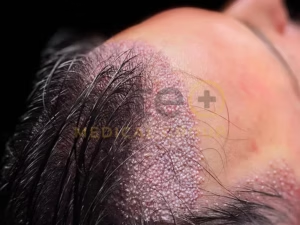
Redness, mild swelling and small scabs around the treated area are common, along with some tenderness at the donor area. You’ll be told how to wash and what to avoid. The grafts are most delicate in this period, so follow the instructions closely.
The First Few Weeks
Scabs generally clear within a couple of weeks. Transplanted hairs usually shed, which is a normal part of the cycle and not a failed result. Your clinic will tell you when it’s safe to shave or trim.
New Growth and the Final Result
New growth typically begins after a few months and builds gradually. A full result often takes around a year to appear. In the early stage the beard can look patchier than before, so it helps to expect that.
How Should You Choose a DHI Beard Transplant Clinic?
The checks are the same ones that apply to any beard transplant provider, with a few specific to beard work. Ask for beard-specific results from several angles, find out how the beard will be designed and who does it, and ask where the donor hair comes from and how much is available. Our guide to choosing a beard transplant provider in Glasgow goes through these in detail, and our guide to choosing a hair transplant clinic explains how to verify registrations.
What Affects the Cost of a DHI Beard Transplant?
Cost depends on your individual plan, and a firm figure only comes after an assessment. The biggest factor is the number of grafts, followed by the area being treated and the density you want. Check what the quote includes, such as the consultation, procedure, medication and follow-up, and ask for it to be itemised so you can compare it fairly with others.
How to Arrange a DHI Beard Transplant Consultation in the UK
Este Medical Group has clinics across the UK, including London, Manchester, Birmingham and Glasgow, where you can have your consultation and aftercare. The procedure itself is carried out at Este Surgery, our CQC-registered surgical clinic in Edgbaston, Birmingham. Our beard transplant page explains what’s offered and how to arrange an assessment.
A good consultation covers your goals, an examination of your facial hair and donor area, the beard design and a graft estimate. Take photos of your beard at its fullest and a list of questions with you.
FAQs About DHI Beard Transplants
Do transplanted beard hairs go grey?
Eventually, yes, in the same way your other hair does. Transplanted hair keeps the characteristics of the donor area, including how it ages. If your scalp hair greys before your beard, transplanted hairs may go grey on a different schedule from the hair around them. This is normal and varies between people.
Can I add more density later with a second session?
Often, yes, provided you have enough donor hair left. Some people choose a staged approach, treating one area first and adding density later once they’ve seen how the first session settles. Ask your clinic whether a second session is likely to be needed and what it would involve.
Can I have a DHI beard transplant if I have acne scars or a skin condition?
It depends on the condition and how active it is. Scarred skin may not support growth as well, and active skin problems can complicate treatment and healing. A clinician needs to examine the area and ask about your history. Mention it at the consultation, and check with your GP where relevant.
Does a DHI beard transplant leave marks on the face?
Each follicle is placed through a tiny opening, and the skin usually heals with small scabs and redness that fade over the following weeks. How quickly depends on your skin and aftercare. Your clinic should explain what to expect and when the area typically looks settled, so you can plan around it.
What if I change my mind about the shape of my beard later?
You can trim or shave your beard to adjust the shape, but a transplant is hard to reverse. That’s why the design stage matters so much. Take your time agreeing the shape beforehand, and ask your clinic how future changes, such as a different style, would be handled.